HSE Urged to Implement National Care Pathway for Huntington's Disease After High Court Criticism
The HSE is facing renewed and urgent pressure to implement a national care pathway for Huntington's disease after a High Court judge described the current situation as "shameful" and noted that only one dedicated nurse in the entire country specialises in the condition — a finding that has shocked patient advocates and healthcare professionals and that has prompted calls for immediate action from the Department of Health.
Background
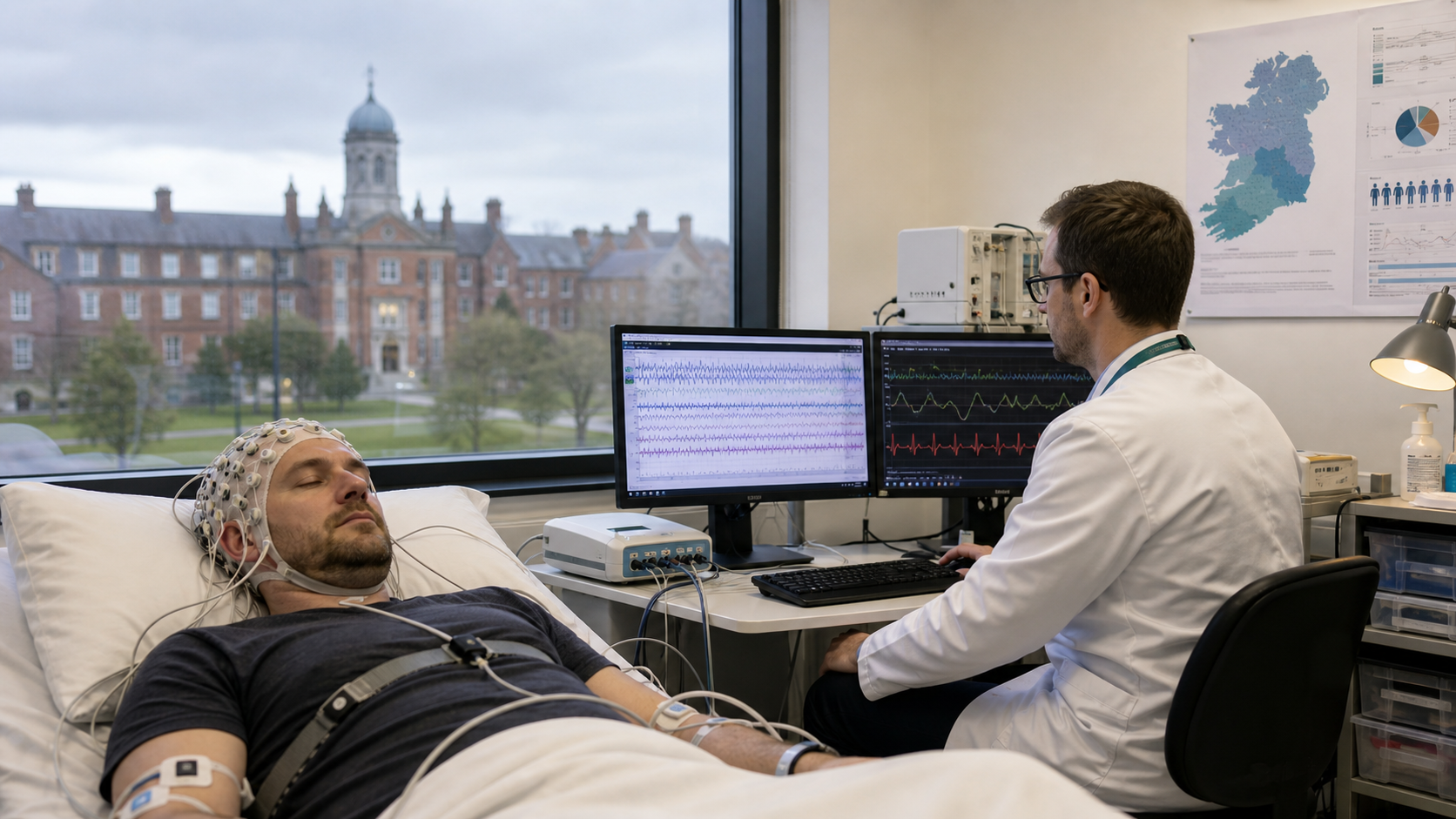
Huntington's disease is a progressive neurological condition caused by a genetic mutation that leads to the deterioration of nerve cells in the brain. It is hereditary, with a 50% chance of being passed from an affected parent to their children, and it has a near 100% penetrance rate for those carrying the gene — meaning that virtually everyone who carries the mutation will develop the disease if they live long enough. The condition typically manifests in mid-life, with symptoms including involuntary movements, cognitive decline, and psychiatric disturbances, and it is invariably fatal.
Approximately 1,000 people in Ireland are estimated to be living with Huntington's disease, though experts believe this figure may be an underestimate given the challenges of diagnosis and the reluctance of some families to seek genetic testing. The disease has a profound impact not just on those who carry the gene but on their families, who face the knowledge that they may also be at risk and who often become the primary carers for affected relatives.
A working group established in 2022, which included clinical leads such as Professor Orla Hardiman of Beaumont Hospital, developed a proposal for a national care pathway for Huntington's disease. The pathway, which was modelled on the approach used for motor neurone disease, would involve establishing regional centres of expertise to provide proactive, multidisciplinary care. However, the proposal has remained under review by the HSE for more than three years without being implemented.
Key Developments
The High Court case that brought the issue to public attention involved a family that had suffered a delayed diagnosis of Huntington's disease due to systemic failures within the health service, including a lack of shared, integrated record systems between hospitals and GPs and a failure to communicate genetic diagnoses to affected family members. High Court Judge Paul Coffey, in settling the case, described the situation as "shameful" and stated that a national care pathway was "urgently required" to prevent further systemic failures.
Judge Coffey's observation that only one dedicated nurse in the entire country specialises in Huntington's disease care was particularly striking. For a condition that affects approximately 1,000 people and that requires complex, multidisciplinary management, the provision of a single specialist nurse represents a level of resource that is wholly inadequate. The comparison with motor neurone disease — which has a similar patient population but a significantly more developed care infrastructure — is instructive.
The HSE has stated that it is aware of the needs of patients with Huntington's disease and that the Chief Clinical Officer has met with patient representatives and carers. The organisation has indicated that "next steps are under consideration," but has not committed to a specific timeline for implementing the proposed care pathway.
Why It Matters
The Huntington's disease care pathway issue is a microcosm of a broader problem in the Irish health system: the gap between the identification of a need and the implementation of a solution. The 2022 working group did the work of developing a credible, evidence-based proposal for improving care for Huntington's patients. That proposal has been sitting with the HSE for more than three years without being acted upon, while patients and families continue to navigate a fragmented and inadequate system.
The High Court's intervention — and the judge's unusually direct language about the "shameful" state of current provision — provides an opportunity for the HSE and the Department of Health to break the cycle of review and inaction. The legal and reputational risks of continuing to fail Huntington's patients are now clearly established, and the case for urgent action is compelling.
The broader principle at stake is the right of people with rare neurological conditions to receive the same quality of care as those with more common conditions. Huntington's disease is rare enough that it does not generate the political pressure that conditions such as cancer or heart disease attract, but the suffering it causes is no less real, and the families affected by it deserve a health system that takes their needs seriously.
Local Impact
For the families of the approximately 1,000 people living with Huntington's disease in Ireland, the High Court case and the renewed pressure on the HSE represent a moment of cautious hope. Patient advocacy organisations, including the Huntington's Disease Association of Ireland, have been campaigning for improved care for years, and the judge's intervention has given their cause a new urgency. The organisation has called on the Minister for Health to commit to a specific timeline for implementing the national care pathway, and has indicated that it will pursue further legal action if the HSE fails to act.
What's Next
The HSE is expected to provide an update on the status of the proposed care pathway in the coming weeks, following the High Court settlement and the subsequent media attention. The Department of Health has been asked to clarify what resources would be required to implement the pathway and whether funding has been allocated in the current health budget. The Huntington's Disease Association of Ireland has requested a meeting with the Minister for Health to discuss the issue, and has indicated that it will make the implementation of the care pathway a priority campaign for the remainder of 2026.