HSE to Roll Out Remote Health Monitoring Nationwide from June 2026
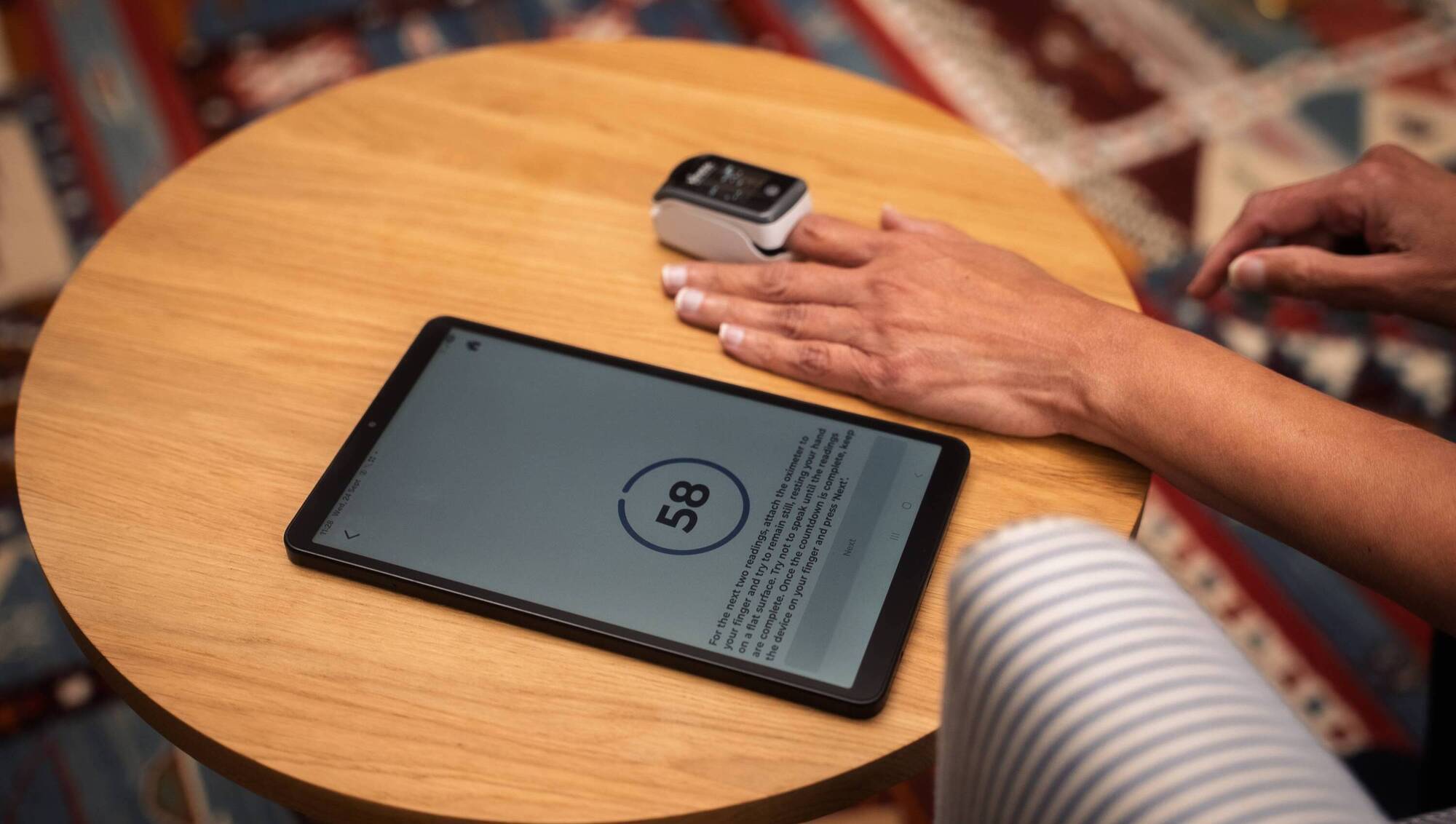
The Health Service Executive (HSE) is preparing to launch a nationwide rollout of remote health monitoring services from June 2026, backed by an estimated €15 million budget, as part of a broader €263 million digital health investment programme for the year. The initiative will allow patients with conditions including respiratory illness, heart disease, cancer, and stroke to be monitored and treated from their own homes.
The rollout represents one of the most significant expansions of digital healthcare in Ireland's history and forms a central pillar of the HSE's 2026 National Service Plan, which prioritises enhancing hospital services and improving patient flow. It comes at a time of acute pressure on the Irish health system, with emergency departments under sustained strain and waiting lists at record levels.
Background
Remote health monitoring — the use of digital devices and platforms to track patients' vital signs and health data from their homes — has been gaining traction across healthcare systems worldwide as a means of reducing hospital admissions and improving patient outcomes. The COVID-19 pandemic accelerated the adoption of telehealth technologies, demonstrating that many forms of clinical monitoring and consultation could be delivered effectively outside of traditional hospital settings.
In Ireland, the HSE has been piloting virtual ward models at a number of sites, including University Hospital Limerick and St. Vincent's University Hospital. The CARE virtual ward in Donegal, which monitors patients with Chronic Obstructive Pulmonary Disease (COPD) remotely, has already demonstrated the model's effectiveness, reducing both hospital admissions and readmissions. These pilots have provided the evidence base for the nationwide rollout announced for June 2026.
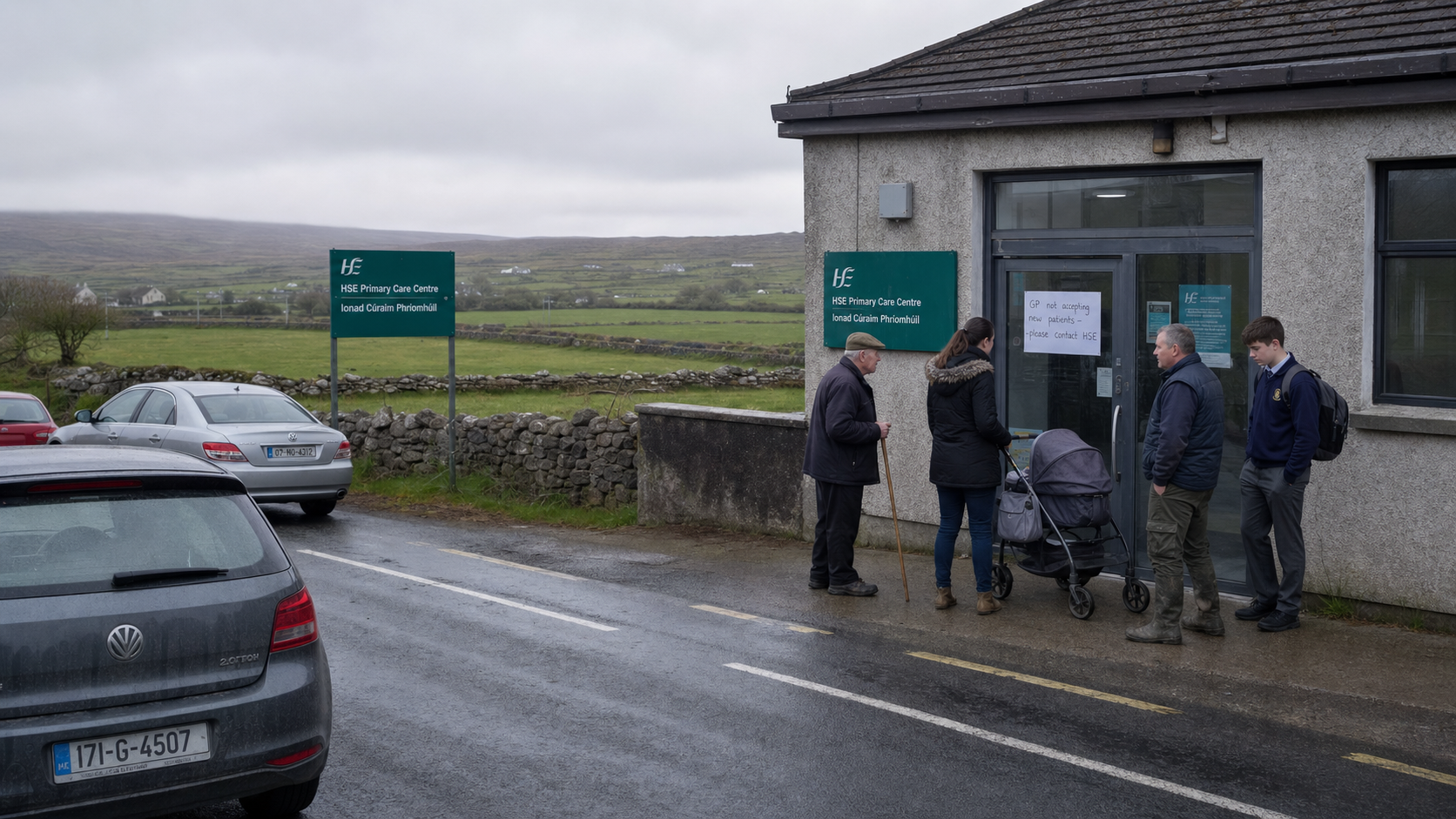
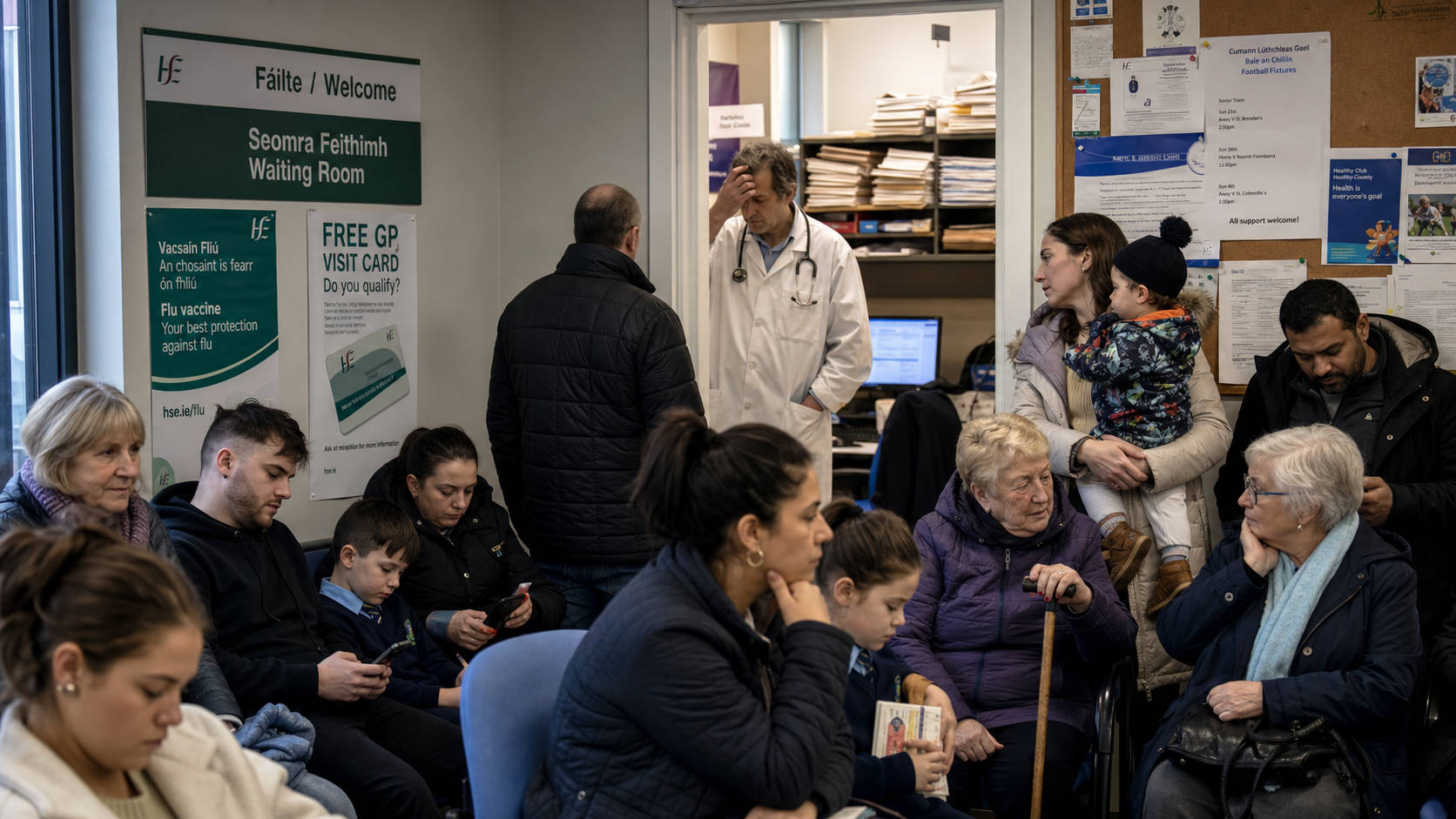
The digital investment comes against a backdrop of significant pressure on the Irish health service. The Irish Medical Organisation (IMO) has warned of an "unprecedented shortage of doctors," attributing the crisis to the systematic undervaluation of the profession and the lingering effects of austerity-era pay cuts. IMO president Dr Peadar Gilligan has called for approximately 7,000 additional hospital beds to meet the demands of Ireland's growing and ageing population.
Key Developments
The HSE is procuring a national remote health monitoring platform through a single-supplier, end-to-end, vendor-managed solution, with contracts expected to be signed in the second quarter of 2026. The service will cover a range of medical specialties, including Respiratory, Cardiology, Oncology, Stroke, Maternity, and Older Persons services. A key component of the programme is the expansion of virtual wards, with the Virtual Care Programme receiving €2.7 million in funding to expand virtual care to target 100 beds per health region within two years, supported by regional virtual care hubs and a Telehealth Centre of Excellence.
The remote health monitoring rollout is part of the HSE's Digital for Care Capital Plan for 2026, which outlines a €263 million digital spend — up from €190 million in 2025. Other major investments include a €27 million enterprise wireless network, an €8 million shared care record system, and a €6.7 million HSE Health App. The plan also covers e-prescribing, community pharmacy integration, and Electronic Health Record projects that will transform how patient data is managed across the system.
Why It Matters
Remote health monitoring has the potential to reduce pressure on overcrowded emergency departments and hospital wards by enabling patients to receive safe, clinically validated care at home. For patients — particularly older people and those with chronic conditions — it offers greater comfort and convenience while maintaining clinical oversight. The nationwide rollout will be one of the most closely watched healthcare initiatives in Ireland in 2026, and its success or failure will have significant implications for the future direction of Irish health policy.
The investment also signals a broader shift in how the HSE conceptualises healthcare delivery — moving away from a model centred on acute hospital settings towards one that integrates community, home, and digital care. If the remote monitoring programme delivers on its promise, it could help to address some of the systemic pressures that have made Irish healthcare a persistent political flashpoint.
Local Impact
While the HSE rollout is a Republic of Ireland initiative, its implications are closely watched in Northern Ireland, where the Health and Social Care system faces many of the same pressures — long waiting lists, staff shortages, and an ageing population placing ever-greater demands on services. The Belfast Health and Social Care Trust and other Northern Ireland trusts have been exploring similar remote monitoring technologies, and the HSE's nationwide rollout will provide valuable evidence about what works at scale. Cross-border health cooperation between the HSE and the Northern Ireland health system has been a feature of the Good Friday Agreement era, and digital health is an area where shared learning and potentially shared infrastructure could deliver significant benefits for patients on both sides of the border.
What's Next
Contracts for the national platform are expected to be signed in Q2 2026, with the rollout beginning in June. Existing virtual ward projects will be consolidated and integrated by the end of Q4 2026. Further details are available from the Medical Independent and the HSE National Service Plan.