HSE Scrambles to Find Placements for Irish Patients After NHS Orders Removal from Northampton Hospital
The Health Service Executive is urgently seeking alternative placements for vulnerable Irish mental health patients after NHS England ordered their removal from St Andrew's Healthcare in Northampton — a decision the Irish High Court president described as a "bolt from the blue." The move follows a series of damning inspections that rated the facility "inadequate" and a wave of staff arrests over allegations of abuse, rape, and neglect that have shocked the mental health sector on both sides of the Irish Sea.
Background
St Andrew's Healthcare in Northampton is one of the largest independent mental health hospital providers in England, offering specialist inpatient services for patients with complex and enduring mental health conditions. For years, the HSE has placed a number of Irish patients at the facility under Irish High Court orders, reflecting the persistent shortage of specialist mental health beds in Ireland and the difficulty of sourcing appropriate care domestically for patients with the most complex needs.
The facility came under intense scrutiny following a series of inspections by the Care Quality Commission (CQC), England's independent health and social care regulator. The CQC rated St Andrew's Northampton as "inadequate" — the lowest possible rating — citing a catalogue of serious failings including CCTV footage showing staff allegedly assaulting patients, inappropriate restraint techniques, and six instances of staff sleeping while on observation duty. As of February 2026, 15 staff members had been arrested since October 2024, with 10 remaining under active suspicion. The hospital's chief executive, Dr Vivienne McVey, announced her departure in March 2026 amid the ongoing crisis.
The scale of the failings prompted NHS England to take the extraordinary step of mandating the removal of all 287 NHS-funded patients from the Northampton site, citing a lack of improvement and what it described as "unacceptable issues" that could not be allowed to continue. Health Secretary Wes Streeting stated publicly that the safety issues at St Andrew's were "unacceptable" and that the highest standards of care were expected for all vulnerable patients.
Key Developments
The HSE was unexpectedly informed that the Irish patients placed at St Andrew's under High Court orders must also be removed as part of the broader NHS England directive. The Irish High Court president described the decision as a "bolt from the blue" for both the HSE and the court, given that the HSE had conducted its own inquiries and stated it found no specific health or safety issues relating to the Irish patients in particular. Nevertheless, the NHS England order applied across the board, leaving the HSE with an urgent and complex logistical challenge.
The organisation is now working to identify suitable alternative placements in the UK for the affected patients, a task it has described as a significant "headache" given the difficulty of sourcing appropriate facilities for individuals with highly complex needs. The Irish High Court has required that it be given prior approval for any moves, adding a further layer of procedural complexity to an already fraught situation. NHS England has committed to providing 24/7 enhanced oversight at the St Andrew's Northampton site until all patients have been safely relocated.
Why It Matters
The St Andrew's crisis throws into sharp relief the structural vulnerabilities in Ireland's mental health system. The fact that the HSE routinely places some of its most vulnerable patients in UK facilities reflects a persistent and long-standing shortage of specialist inpatient capacity in Ireland — a gap that successive governments have promised to address but which remains stubbornly unresolved. When a major UK provider fails, as St Andrew's has done so catastrophically, Irish patients and their families are left exposed to the consequences of decisions made entirely outside the Irish state's control. The case is a powerful argument for sustained investment in domestic specialist mental health services.
Local Impact
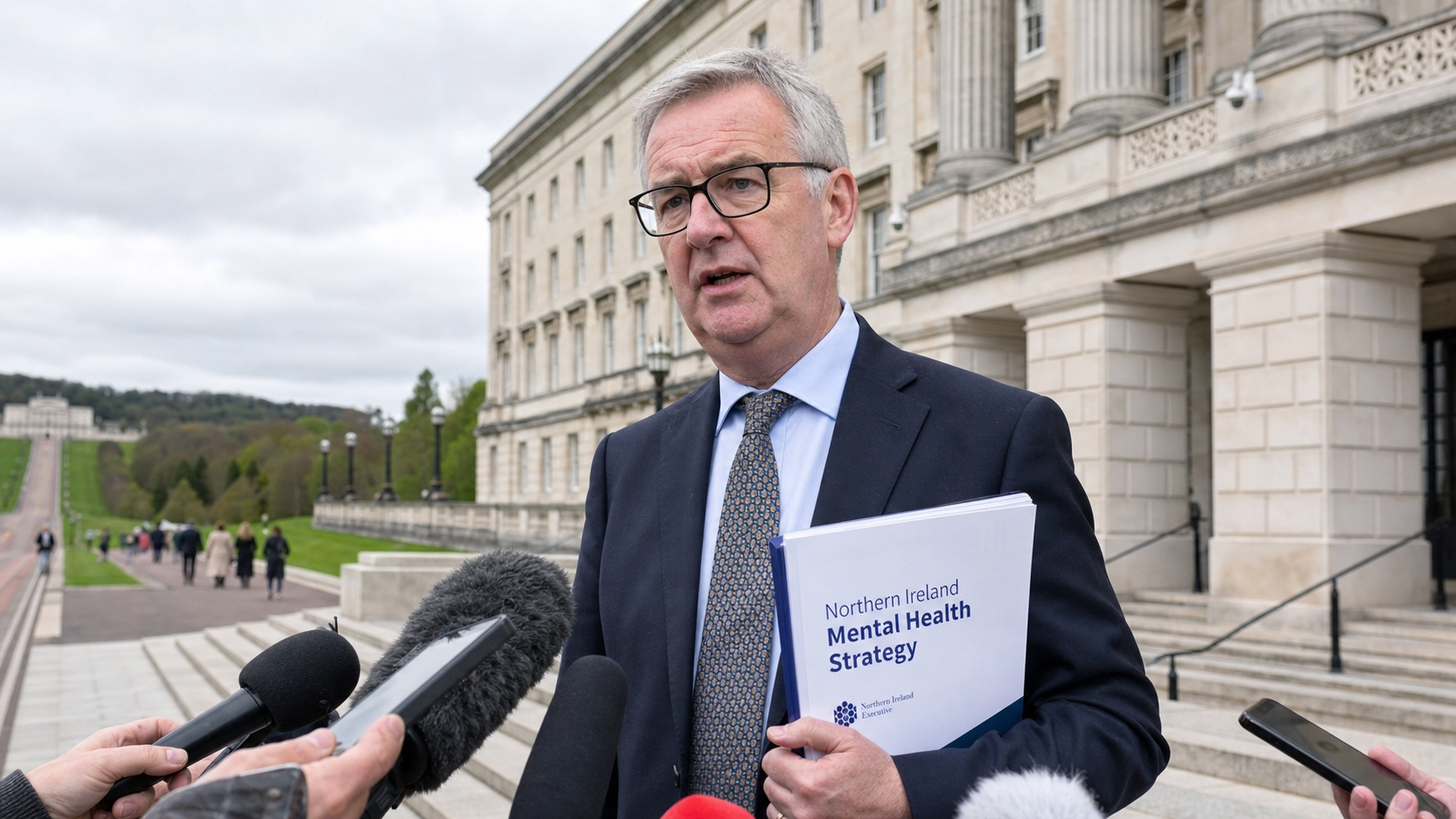
The situation at St Andrew's has direct resonance in Northern Ireland, where the mental health system faces its own significant pressures and where patients are sometimes placed in facilities outside the region due to capacity constraints. The case is a reminder that the challenges of securing appropriate specialist mental health care are not unique to the Republic of Ireland, and that the entire island faces a shared imperative to invest in mental health infrastructure. For families of patients affected by the St Andrew's crisis, the uncertainty and disruption caused by the removal order will be deeply distressing, and the HSE's ability to manage the transition with care and sensitivity will be closely watched.
What's Next
The HSE is working with the Irish High Court and UK authorities to arrange alternative placements for all affected patients as a matter of urgency. The process is expected to take some weeks, given the complexity of the cases involved and the need for court approval for each individual move. The broader question of Ireland's reliance on UK placements for specialist mental health patients is likely to come under renewed political scrutiny in the weeks ahead, with advocates calling for a long-term plan to develop domestic capacity and reduce dependence on facilities that are ultimately beyond the Irish state's oversight.
Sources: Care Quality Commission — St Andrew's Healthcare Northampton, BBC News — St Andrew's Healthcare Abuse Claims, The Irish Times — HSE Must Find Places for Vulnerable Patients