HSE Postpones University Hospital Galway Consultation After Objections to Short Notice and Lack of Engagement
The HSE has been forced to postpone a public consultation on the long-awaited redevelopment of University Hospital Galway and the development of a new hospital campus at Merlin Park, after local representatives, patient groups, and community stakeholders raised serious objections about the inadequacy of the notice period and the lack of meaningful engagement with affected communities.
Background
The question of how to develop and reconfigure hospital services in the west of Ireland has been one of the most contentious healthcare planning issues in the country for over a decade. University Hospital Galway, the principal acute hospital for the west, is operating in buildings that are in many cases decades old and increasingly unfit for purpose. The hospital's physical infrastructure has been identified as a significant constraint on its ability to deliver modern, efficient healthcare, with cramped wards, outdated facilities, and inadequate space for the equipment and technology that contemporary medicine requires.
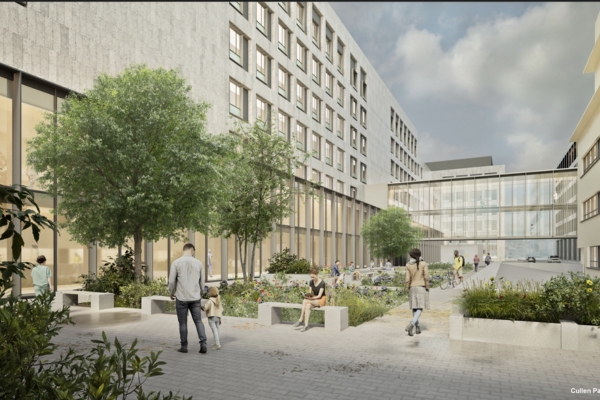
The Merlin Park site, located on the eastern edge of Galway City, has been identified as the preferred location for a new hospital campus that would eventually replace or significantly supplement the existing UHG facilities. The development of Merlin Park has been discussed for years, with various plans and proposals emerging and being revised as the HSE's capital investment priorities have shifted. The most recent iteration of the plan involves the development of a new elective hospital at Merlin Park, with the reconfiguration of UHG to focus on emergency and complex acute care.
The project is of enormous importance to the west of Ireland. The Saolta University Health Care Group, which manages UHG along with hospitals in Sligo, Letterkenny, Portiuncula, and Roscommon, serves a population of over 800,000 people across a vast geographic area. The quality and accessibility of hospital services in Galway has direct implications for the health outcomes of communities across Connacht and beyond.
Key Developments
The HSE's decision to launch a public consultation on the UHG/Merlin Park development was announced with what local representatives described as inadequate notice. The consultation period, as originally proposed, was considered too short to allow meaningful engagement from the wide range of stakeholders with an interest in the project — including patients, community groups, healthcare workers, local authorities, and elected representatives.
A local councillor captured the frustration of many stakeholders: 'This is one of the most important projects for the west of Ireland, and it must be done right. Rushing a consultation process of this magnitude is simply unacceptable.' The objections were raised formally with the HSE, which responded by postponing the consultation to allow for a more thorough and meaningful engagement process.
The postponement has been welcomed by local representatives and community groups, who have been calling for a more inclusive and transparent approach to the planning of the UHG/Merlin Park development. However, it also represents a further delay to a project that has already been in planning for many years, raising concerns about the timeline for delivery of new hospital facilities in the west.
Why It Matters
The postponement of the UHG consultation is significant because it reflects a broader pattern of inadequate public engagement in major healthcare infrastructure decisions in Ireland. The HSE has been criticised on multiple occasions for launching consultations with insufficient notice, for failing to engage meaningfully with affected communities, and for presenting plans as effectively finalised before the consultation process has begun. This approach undermines public trust in the planning process and can lead to legal challenges that delay projects further. For context, the National Children's Hospital project — which has become a byword for cost overruns and delays in Irish healthcare infrastructure — was also criticised for inadequate public engagement in its early stages. The lessons of that project should inform the approach to the UHG/Merlin Park development, which is of comparable significance for the west of Ireland.
Local Impact
The impact of the postponement is felt most directly by the communities that depend on UHG for their healthcare. Patients in Galway City, Connemara, south Mayo, and east Galway who are waiting for the improved facilities that the Merlin Park development would provide face a further period of uncertainty about when those improvements will materialise. Healthcare workers at UHG, who have been working in increasingly difficult physical conditions, will also be disappointed by the delay. The Galway City Council and Galway County Council have both been involved in discussions about the UHG/Merlin Park development, given its implications for transport, planning, and community services in the area. Both councils have welcomed the postponement of the consultation, arguing that a more thorough engagement process is essential to ensure that the development meets the needs of the communities it will serve. Bus Éireann's Route 401 and the Galway City Direct services will need to be assessed as part of the transport planning for the Merlin Park development.
What's Next
The HSE is expected to publish a revised consultation plan within the next four weeks, setting out a more comprehensive and inclusive engagement process for the UHG/Merlin Park development. The revised plan is expected to include a longer consultation period, a wider range of engagement formats — including public meetings, online submissions, and stakeholder workshops — and a clearer explanation of the options being considered and the criteria for decision-making. The Oireachtas Committee on Health is expected to invite HSE officials to give evidence on the consultation process in September. The HSE's capital investment plan for 2027-2030, which will include the UHG/Merlin Park development, is expected to be published in the autumn, providing a clearer timeline for the project's delivery.