Ireland's Housing Crisis Deepens as Government Accelerates Infrastructure Delivery Under New Planning Framework
Ireland's housing crisis continues to define the domestic political landscape, with new government data showing that despite record levels of construction activity and a reformed planning framework, the structural deficit between housing supply and demand remains acute — particularly in Dublin, Cork, and Galway, where population growth and inward migration are placing unprecedented pressure on the residential market.
Background
Ireland's housing shortage has been building for more than a decade, driven by a combination of factors that include the collapse of the construction sector during the 2008 financial crisis, the subsequent slow recovery of building activity, rapid population growth fuelled by economic success and immigration, and a planning system that has historically been vulnerable to delay and legal challenge. The result is a market in which house prices and rents have risen to levels that are unaffordable for a growing proportion of the population, and in which homelessness — despite significant government investment in emergency accommodation — remains stubbornly high.
The current government has made housing its central domestic priority, with the 'Delivering Homes, Building Communities' initiative representing the most ambitious housing programme in the state's history. The programme sets targets for the delivery of social, affordable, and private housing across all 26 counties, and is backed by significant capital investment from the National Development Plan. The reformed planning framework — including the new Planning and Development Act and the introduction of legal fee caps on judicial reviews — is designed to remove the structural barriers that have historically slowed housing delivery.
The government has also been working to increase the supply of serviced land for housing development, with the Land Development Agency playing a central role in unlocking state-owned sites for residential use. The LDA's agreement with IDA Ireland to transfer a Cork site with potential for 1,000 homes is one example of this approach in action.
Key Developments
The latest data from the Central Statistics Office shows that housing completions in the first half of 2026 are running at a record pace, with over 15,000 units completed in the six-month period. However, housing economists have noted that this figure, while significant, remains well below the 50,000 units per year that many analysts believe is needed to close the structural deficit over a ten-year period. The gap between completions and need is most acute in Dublin, where population growth and the concentration of employment in the technology and financial services sectors continue to drive demand.
The government's 'Accelerating Infrastructure' action plan, published earlier this year, identifies a series of specific measures to speed up the delivery of the water, transport, and energy infrastructure that is needed to unlock large-scale housing development. Progress on several key projects — including water treatment capacity in north Dublin and road infrastructure in the Cork metropolitan area — has been faster than expected, and the government has indicated that it expects to see the benefits in terms of increased housing delivery within the next 12 to 18 months.
Housing Minister Darragh O'Brien has described the current period as a 'turning point' for housing delivery, pointing to the combination of record completions, a reformed planning system, and accelerated infrastructure delivery as evidence that the government's strategy is working. Opposition parties have acknowledged the progress but argued that the pace of change remains insufficient given the scale of the crisis.
Why It Matters
Ireland's housing crisis is not merely an economic or social problem — it is a political and demographic challenge that is reshaping the country's future. The inability of young people to afford homes in the cities where they work is driving emigration, reducing fertility rates, and creating a generation of renters who feel excluded from the wealth-building opportunities that homeownership has historically provided. The political consequences of this exclusion were evident in the 2024 general election, when housing was the dominant issue for voters under 40.
The government's reformed planning framework represents a genuine attempt to address one of the structural causes of the crisis, and the early evidence — including the reduction in judicial reviews noted by the Courts Service — suggests that it is having some effect. However, housing experts caution that planning reform alone is insufficient; the fundamental challenge is to build enough homes, in the right places, at prices that people can afford. That requires sustained investment, effective land management, and a construction sector with the capacity to deliver at scale.
Local Impact
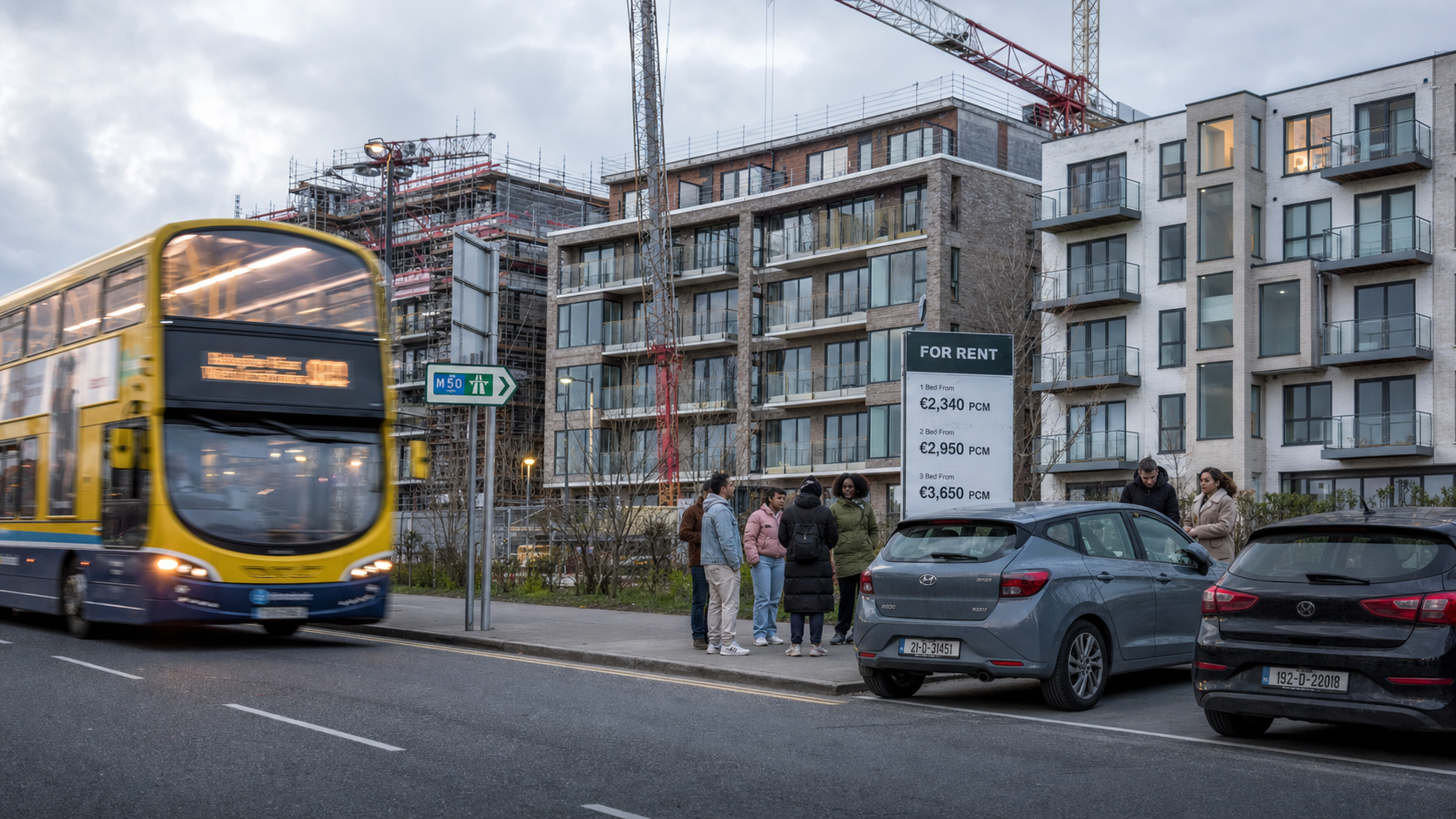
The housing crisis is felt most acutely in Dublin, where average house prices have exceeded €500,000 and average rents in the city centre are among the highest in Europe. In Cork, the Docklands regeneration project — which has the potential to deliver thousands of new homes — is progressing, but the pace of delivery has been slower than hoped. In Galway, the combination of a constrained land supply and a planning system that has historically been cautious about large-scale development has left the city with one of the most acute housing shortages in the country. Irish Rail and Bus Éireann connections to new housing developments on the edges of the major cities are a critical factor in making those developments viable for commuters.
What's Next
The government will publish a mid-year review of the 'Delivering Homes, Building Communities' programme in the coming weeks, assessing progress against the targets set at the start of the year and identifying any adjustments needed to the delivery strategy. The Housing Minister has indicated that the review will include a specific focus on the measures needed to accelerate delivery in the areas of greatest need — Dublin, Cork, and Galway — and will set out a timeline for the infrastructure investments that are needed to unlock the next phase of housing development. The Oireachtas Housing Committee will hold hearings on the review in September.