Over 4,000 Children Waiting for Mental Health Services as Ireland's CAMHS Crisis Deepens Despite Record Health Budget
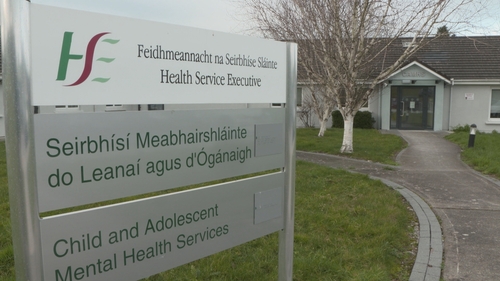
More than 4,000 children are currently on waiting lists to access Child and Adolescent Mental Health Services in Ireland, with only 50 CAMHS beds operational nationwide against a government-recommended target of 100, and the HSE South West region — covering Cork and Kerry — recording the longest waits with 987 children awaiting assessment, even as the state spends a record €27.4 billion on health in 2026.
Background
Child and Adolescent Mental Health Services in Ireland have been in a state of chronic underdevelopment for years. The government's own mental health strategy, "A Vision for Change," published in 2006 and updated since, set clear targets for the number of CAMHS beds, community teams, and specialist services that should be available to children and young people experiencing mental health difficulties. Two decades on, those targets remain substantially unmet.
The consequences of this failure are not abstract. Children experiencing acute mental health crises — psychosis, severe depression, eating disorders, self-harm — are being placed on waiting lists that can stretch to months or years. In the interim, they are managed in general paediatric wards that are not designed or staffed for mental health care, or they are discharged home with minimal support, or they are admitted to adult psychiatric units — a practice that is widely recognised as harmful and that the HSE has repeatedly committed to ending but has failed to eliminate.
The pandemic significantly worsened the situation. The disruption to school, social life, and family routines that accompanied the Covid-19 restrictions had a profound impact on the mental health of children and young people, generating a surge in demand for CAMHS that the service was wholly unprepared to meet. Waiting lists that were already long became longer, and the backlog has not been cleared in the years since.
Key Developments
A 2026 report on CAMHS capacity has confirmed that only 50 inpatient beds are operational nationwide, against the 100-bed target set in "A Vision for Change." This shortfall is not simply a matter of funding — it reflects a failure to plan, recruit, and build the specialist infrastructure that a functioning child mental health service requires. Inpatient CAMHS beds require specialist nursing staff, child psychiatrists, psychologists, and a range of allied health professionals, all of whom are in short supply in Ireland.
The geographic distribution of the waiting list is particularly striking. The HSE South West region, which covers Cork and Kerry, has the longest waits, with 987 children awaiting assessment by CAMHS. This is a significant proportion of the national total and reflects the particular challenges of delivering specialist services in a region that combines a large urban population in Cork city with extensive rural areas in Kerry and west Cork where access to services is inherently more difficult.
The HSE has faced sharp criticism for its plans to close a 10-bed CAMHS inpatient unit in Dublin, a decision that would further reduce the already inadequate national bed capacity. The Mental Health Commission, which inspects and regulates mental health services, has warned that the closure would be a retrograde step and has called on the HSE to reverse the decision. The commission has also noted that HSE-run inpatient mental health facilities frequently lag behind private providers in quality, contributing to a two-tier system in which children from wealthier families can access better care through private insurance.
The record €27.4 billion health budget for 2026 included funding for 300 new mental health posts and three new crisis teams. However, the Mental Health Commission and advocacy groups have argued that this investment, while welcome, is insufficient to address the scale of the crisis and that the failure to fill previously funded posts — thousands of which remain vacant due to recruitment difficulties — means that new funding does not automatically translate into new services.
Why It Matters
The CAMHS crisis is not simply a health story — it is a story about the kind of society Ireland is and the kind of society it aspires to be. Children experiencing mental health difficulties are among the most vulnerable members of society, and the failure to provide them with timely, appropriate care has consequences that extend far beyond the immediate crisis. Untreated mental health conditions in childhood and adolescence are associated with poorer educational outcomes, higher rates of substance misuse, greater difficulty in forming stable relationships, and increased risk of mental health problems in adulthood.
The two-tier dimension of the crisis is particularly troubling. In a country that has committed to a universal health service through the Sláintecare programme, the reality that a child's access to mental health care depends significantly on their family's ability to pay for private insurance is a fundamental contradiction. The Mental Health Commission's observation that private facilities consistently outperform HSE-run services in quality inspections is a damning indictment of the public system's management and resourcing.
For context, Ireland's per-capita spending on mental health services is significantly below the EU average, and the proportion of the overall health budget allocated to mental health — approximately 6% — is well below the 10% recommended by the World Health Organisation. The record health budget of 2026 has not changed this fundamental imbalance.
Local Impact
In Cork, the 987 children waiting for CAMHS assessment represent a significant proportion of the national total and reflect the particular pressures on services in the HSE South West region. Cork University Hospital, which serves as the main acute hospital for the region, has been managing increasing numbers of children presenting in mental health crisis through its emergency department — a setting that is wholly inappropriate for this kind of care but which has become a de facto first point of contact for families who cannot access CAMHS in a timely way.
In Kerry, the situation is compounded by the rural geography of the county. Families in west Kerry, the Dingle Peninsula, or the Iveragh Peninsula face long journeys to access CAMHS services in Tralee or Cork, and the absence of adequate public transport makes those journeys particularly difficult for families without cars. Community mental health workers in Kerry have spoken of the isolation experienced by young people in rural areas who are struggling with mental health difficulties and cannot access support.
In Dublin, the proposed closure of the 10-bed CAMHS unit has generated significant opposition from families, clinicians, and advocacy groups. The unit serves children from across the greater Dublin area and beyond, and its closure would remove one of the few specialist inpatient options available to children in acute mental health crisis in the capital.
What's Next
The HSE is expected to publish a revised CAMHS capacity plan in the coming months, following the publication of the 2026 report on bed numbers. Advocacy groups have called for the plan to include specific, time-bound commitments to reach the 100-bed target, with clear accountability mechanisms to ensure delivery.
The Mental Health Commission has indicated it will continue to press the HSE on the proposed Dublin unit closure, and has not ruled out using its regulatory powers to prevent the closure if the HSE proceeds without adequate alternative provision being in place. The commission's annual report, expected in the autumn, is likely to include a detailed assessment of CAMHS capacity and a set of recommendations for the Minister for Health.
In the Dáil, opposition parties have indicated they will use the autumn session to press the government on CAMHS waiting lists, with several TDs planning to raise individual constituency cases to illustrate the human impact of the crisis. The government's response — and whether it translates into concrete action rather than further commitments — will be closely watched by the families of the 4,000-plus children currently waiting for care.


