FAI Warns Boycott of Nations League Israel Fixtures Would Cause 'Significant and Lasting Harm' to Irish Football
The Football Association of Ireland has issued a formal and unambiguous statement warning that any decision to boycott upcoming UEFA Nations League fixtures against Israel would constitute a serious breach of UEFA's rules and regulations, exposing the association to substantial financial penalties, automatic match losses, and the very real prospect of expulsion from future European competitions — consequences that the FAI has concluded would cause 'significant and lasting harm' to Irish football at every level of the game.
Background
The question of whether Ireland should play competitive football against Israel has become one of the most charged political debates in Irish sport in recent years, reflecting the depth of public feeling in Ireland about the conflict in Gaza and the broader question of Israel's compliance with international humanitarian law. Ireland has a long tradition of solidarity with the Palestinian cause, rooted in historical parallels drawn between the Irish and Palestinian experiences of colonialism and displacement, and public opinion polls have consistently shown strong support for Palestinian rights among the Irish public.
The pressure on the FAI to take a political stance has intensified as the conflict in Gaza has continued, with a range of civil society organisations, politicians, and public figures calling on the association to refuse to play against Israel. The calls have been supported by some within the football community itself, including players and supporters' groups, though the FAI's leadership has consistently maintained that the decision on whether to participate in UEFA competitions is not one that the association can make unilaterally without severe consequences.
UEFA, the governing body of European football, has a strict policy against the politicisation of football and requires all member associations to fulfil their competitive obligations. The organisation has faced criticism for its handling of the Israel question, with some arguing that it has applied different standards to different member associations in different political contexts. However, UEFA has maintained that its rules apply equally to all members and that any association that refuses to play a scheduled fixture will face the consequences set out in its disciplinary regulations.
Key Developments
The FAI's statement, released on 2 July, sets out in clear terms the consequences of a boycott. Refusing to play the Nations League fixtures against Israel would constitute a breach of UEFA's rules, triggering automatic match losses for the games not played, financial penalties that could run to hundreds of thousands of euros, and the potential for more severe sanctions including suspension from future UEFA competitions. The statement notes that such consequences would affect not only the senior men's national team but also the women's team, the under-21 side, and the full range of youth and development teams that participate in UEFA competitions.
The FAI has also noted that a boycott would not be without precedent in European football — but that in every previous case where an association has refused to play a scheduled fixture for political reasons, the consequences have been severe and long-lasting. The association has pointed to the example of other national associations that have faced similar pressures and have ultimately concluded that participation, while uncomfortable, is preferable to the alternative of exclusion from European competition.
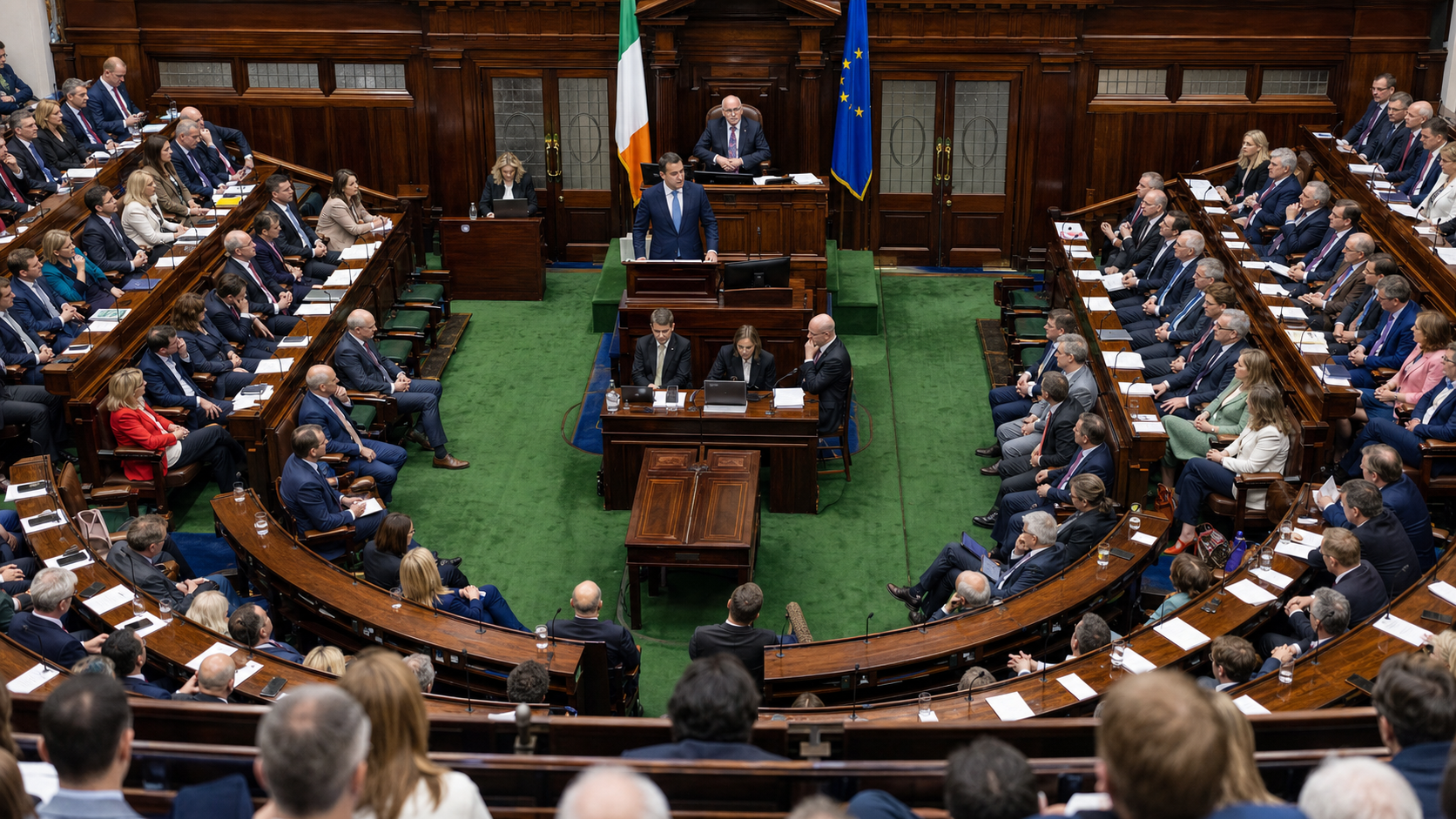
The statement has been welcomed by some within the football community as a clear and honest assessment of the situation, but it has also drawn criticism from those who argue that the FAI is prioritising sporting interests over moral obligations. Several politicians, including members of the Dáil, have called on the FAI to reconsider its position, arguing that Ireland's foreign policy stance on the conflict in Gaza should be reflected in its sporting decisions.
Why It Matters
The FAI's statement matters because it illustrates the profound difficulty that sports organisations face when navigating highly charged international political issues. The association is caught between the demands of its regulatory obligations to UEFA and the expectations of a significant portion of its own public, who believe that sport cannot and should not be insulated from political reality. The debate also raises important questions about the role of sport in Irish public life and the extent to which sporting bodies should be expected to take positions on international political questions. Ireland's foreign policy has been notably more critical of Israel than that of many other EU member states, and the gap between the government's diplomatic stance and the FAI's regulatory obligations creates a genuine tension that has no easy resolution.
Local Impact
The debate has resonated strongly in communities across Ireland, from Dublin's inner city to rural towns in Connacht and Munster. The FAI's statement will be discussed in football clubs, community centres, and workplaces across the country, and it is likely to generate significant correspondence to the association from supporters and stakeholders with strongly held views on both sides. The League of Ireland clubs, which depend on the FAI's governance and funding, will be watching the situation closely, as any sanctions imposed on the FAI by UEFA could have knock-on effects for the domestic game. The women's national team, which has been one of the great success stories of Irish football in recent years, would also be affected by any UEFA sanctions, a consideration that has been highlighted by those who argue that a boycott would disproportionately harm the development of the women's game in Ireland.
What's Next
The UEFA Nations League fixtures against Israel are scheduled for later in 2026, and the FAI has indicated that it intends to fulfil its obligations and participate in the matches as scheduled. The association has said it will continue to engage with UEFA on the broader question of how European football should respond to the conflict in Gaza, and it has called on UEFA to use its influence to promote dialogue and humanitarian access. The Dáil is expected to debate the issue in the coming weeks, with a number of TDs having indicated they will raise the matter with the Minister for Sport. The FAI's annual general meeting, scheduled for later in the year, is also expected to provide a forum for members to express their views on the association's handling of the issue.