Justice Minister Urges Next Government to Formally Prepare for Irish Unity Referendum
Minister for Justice Jim O'Callaghan has called on the next Irish government to begin formal preparations for a potential Irish unity referendum, delivering a significant intervention at a conference in Belfast on 3 July 2026 that, taken together with Tánaiste Simon Harris's recent announcement of a Fine Gael 'blueprint for unity', signals a historic convergence of Ireland's two largest government parties on the need to move the constitutional question from aspiration to active policy planning.
Background
The question of Irish unity has occupied a complex and often contested space in the politics of both the Republic and Northern Ireland for decades. In the Republic, the two dominant parties of government — Fianna Fáil and Fine Gael — have historically approached the issue with considerable caution, emphasising the importance of consent, the need for careful preparation, and the risks of moving too quickly on a question with profound implications for social cohesion and economic stability. This caution has sometimes been characterised by critics, particularly in Sinn Féin, as a lack of genuine commitment to the constitutional aspiration enshrined in the Good Friday Agreement.
The political landscape has shifted considerably in recent years. Sinn Féin's emergence as the largest party in the Dáil following the 2020 general election, and its continued strong poll ratings, has forced the other parties to engage more seriously with the unity question. The Shared Island initiative, launched by Taoiseach Micheál Martin in 2020, represented an attempt to engage with the issue through dialogue, research, and cross-border cooperation rather than through explicit referendum planning — an approach that has been welcomed by some as pragmatic and criticised by others as insufficiently ambitious.
The Good Friday Agreement provides the mechanism for a border poll: the Secretary of State for Northern Ireland may call a referendum on Irish unity if it appears likely that a majority in Northern Ireland would vote in favour. The conditions under which such a poll might be called, and the preparations that should be made in advance, have been the subject of intense debate among politicians, academics, and civil society organisations on both sides of the border.
Key Developments
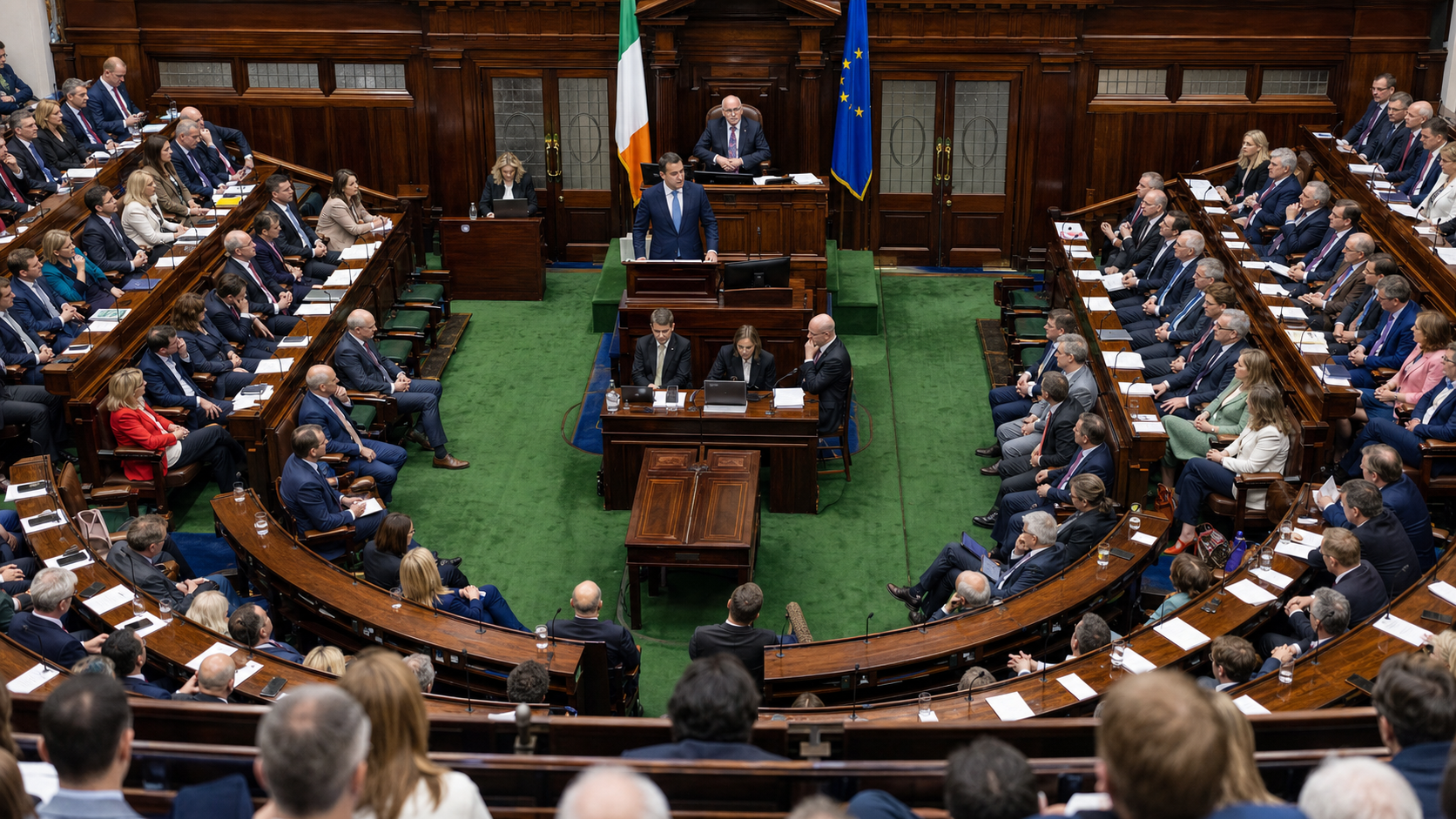
Speaking at a conference in Belfast on 3 July, Minister O'Callaghan argued that an Irish government should 'articulate what it would be prepared to recommend to its citizens' in a unity poll. He called on the next government — which will be formed following the next general election, expected in 2027 — to begin formal preparations for a referendum, including the development of detailed policy positions on the key questions that would need to be resolved in a united Ireland, such as the structure of government, the future of the health service, and the constitutional status of Northern Ireland's institutions.
O'Callaghan's intervention follows Tánaiste Simon Harris's announcement in June that Fine Gael would produce its own 'blueprint for unity' by November 2026. Harris described the blueprint as a practical document that would set out Fine Gael's vision for how a united Ireland might be structured and governed, and how the transition from the current constitutional arrangements might be managed. The convergence of Fianna Fáil and Fine Gael on the need for formal unity planning is a significant development, representing a departure from the more cautious approach that both parties have historically adopted.
Sinn Féin has welcomed the moves but challenged the government to go further, supporting its existing legislative proposals for a citizens' assembly on Irish unity. The party has argued that a citizens' assembly would provide a structured and inclusive forum for the public to engage with the key questions around unity, and that its establishment should not wait for the next general election.
Why It Matters
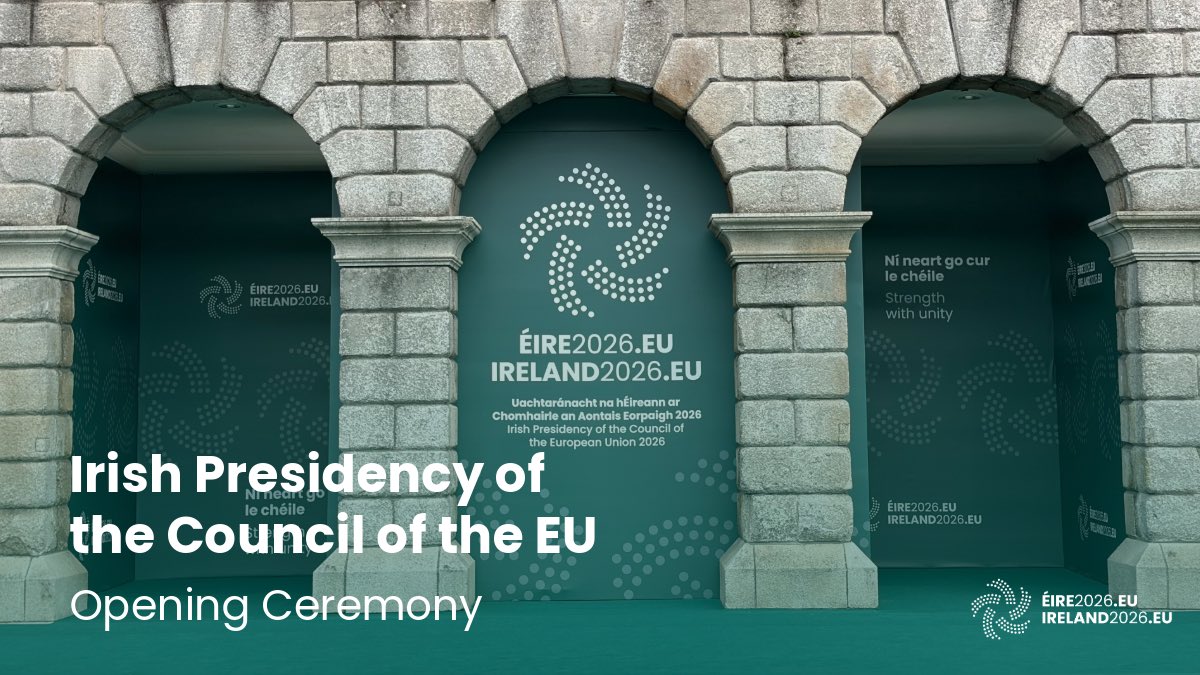
The convergence of Fianna Fáil and Fine Gael on formal unity planning is historically significant. These are the two parties that have dominated Irish politics since the foundation of the state, and their willingness to move beyond the cautious language of the Shared Island initiative towards explicit referendum preparation represents a genuine shift in the political centre of gravity in Dublin. The timing is also significant: Ireland's EU Council Presidency, which began on 1 July, provides a platform for the Taoiseach to engage with European partners on the implications of Irish unity for EU membership and institutional arrangements — a conversation that has been largely theoretical until now. The Belfast setting for O'Callaghan's speech was also deliberate, signalling that the Dublin government is prepared to make the case for unity directly to Northern Irish audiences rather than conducting the debate solely within the Republic.
Local Impact
The political impact of O'Callaghan's intervention will be felt across Northern Ireland's political landscape. For nationalist and republican parties — Sinn Féin and the SDLP — the move will be broadly welcomed as evidence that the Dublin government is taking the constitutional question seriously. For unionist parties, the intervention will be viewed with concern, as evidence that the political momentum towards a unity referendum is building in ways that they have limited capacity to influence. The Alliance Party, which has positioned itself as a cross-community party that does not take a position on the constitutional question, will face renewed pressure to clarify its stance as the debate intensifies. In communities across Northern Ireland, the prospect of a unity referendum — however distant — is a source of both hope and anxiety, depending on political perspective, and O'Callaghan's speech will reignite those conversations in homes, workplaces, and community centres across the six counties.
What's Next
Fine Gael's 'blueprint for unity' is expected to be published in November 2026, providing the first detailed policy document from a major Irish government party on the practical arrangements for a united Ireland. Fianna Fáil is expected to respond with its own policy document in the months that follow. The Taoiseach is expected to raise the issue of Irish unity with EU partners during Ireland's Council Presidency, seeking to build understanding of the constitutional and institutional implications of potential unification. The Sinn Féin-sponsored citizens' assembly legislation is expected to be debated in the Dáil in the autumn session, and the government's response to that legislation will be closely watched as an indicator of how far the convergence between Fianna Fáil and Fine Gael on unity planning extends.