Ireland's EU Council Presidency Enters Second Day with Focus on Competitiveness and Security
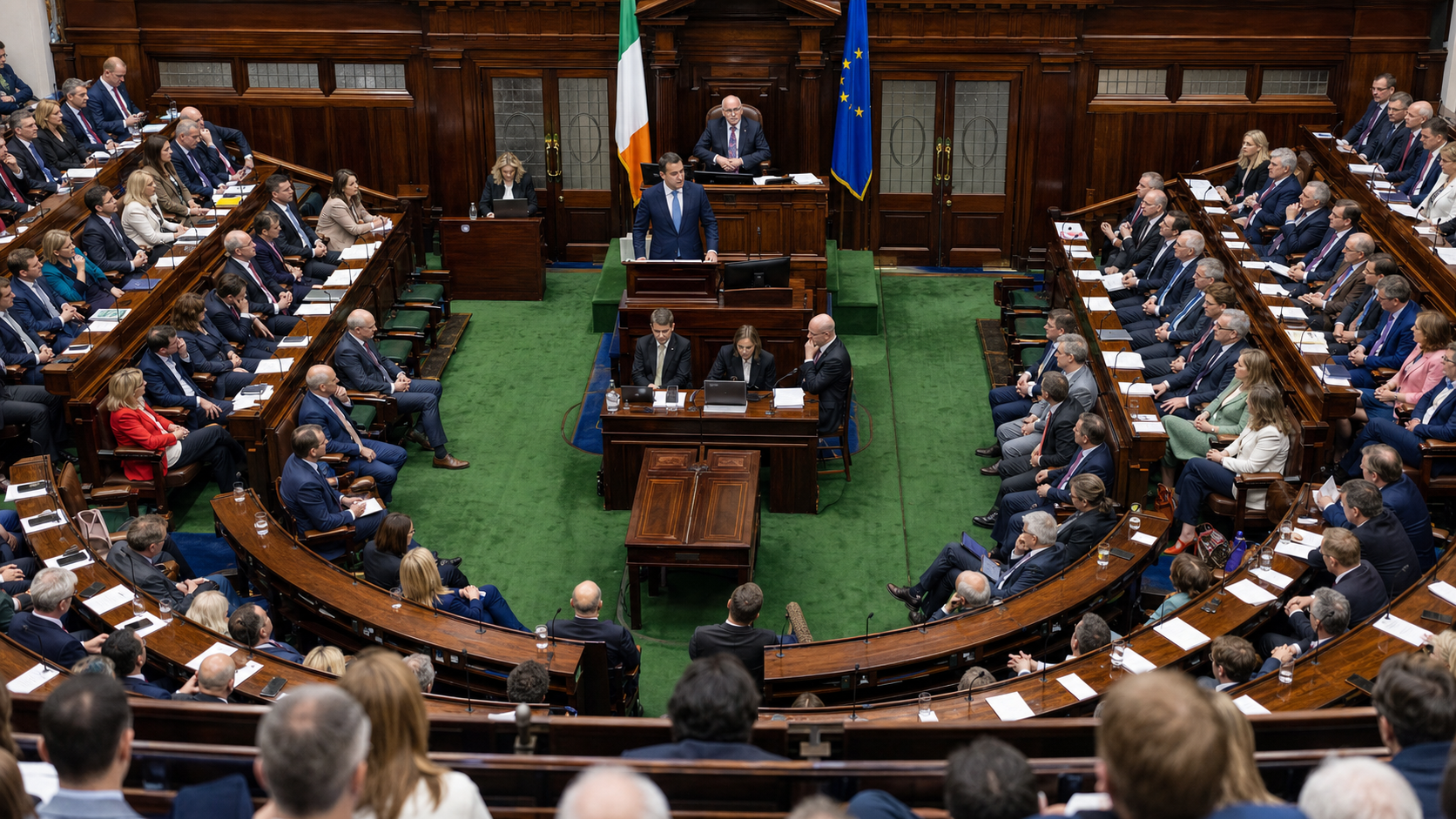
Ireland's six-month presidency of the Council of the European Union moved into its second day on 2 July 2026, with Taoiseach Micheál Martin hosting a gathering of senior EU officials and international leaders at Dublin Castle as the government set out its ambitious three-pillar programme — Competitiveness, Values, and Security — for what is Ireland's most significant international leadership role in a generation and a platform that will shape the EU's legislative agenda for the remainder of 2026.
Background
Ireland has held the EU Council Presidency on six previous occasions since joining the European Community in 1973, most recently in 2013. The presidency rotates among EU member states on a six-monthly basis, with the presiding country responsible for chairing meetings of the Council of the EU, facilitating negotiations between member states, and representing the Council in its dealings with the European Parliament and the European Commission. The role requires significant diplomatic skill and organisational capacity, and Ireland has historically been regarded as an effective and constructive presidency holder.
The 2026 presidency comes at a particularly consequential moment in European affairs. The EU is grappling with the ongoing consequences of Russia's invasion of Ukraine, the challenge of maintaining economic competitiveness in the face of competition from the United States and China, and the need to manage the social and political pressures generated by migration, climate change, and technological disruption. Ireland's presidency programme has been designed to address these challenges through its three core pillars, each of which encompasses a range of specific legislative and policy priorities.
The presidency also provides Ireland with an opportunity to advance its own national interests within the EU framework. Issues of particular importance to Ireland include the future of the Common Agricultural Policy, the regulation of digital platforms, the development of EU defence and security policy, and the management of the post-Brexit relationship with the United Kingdom. The presidency gives Ireland a degree of influence over the EU's agenda that it does not normally possess as a small member state, and the government has been preparing for this moment for the better part of two years.
Key Developments
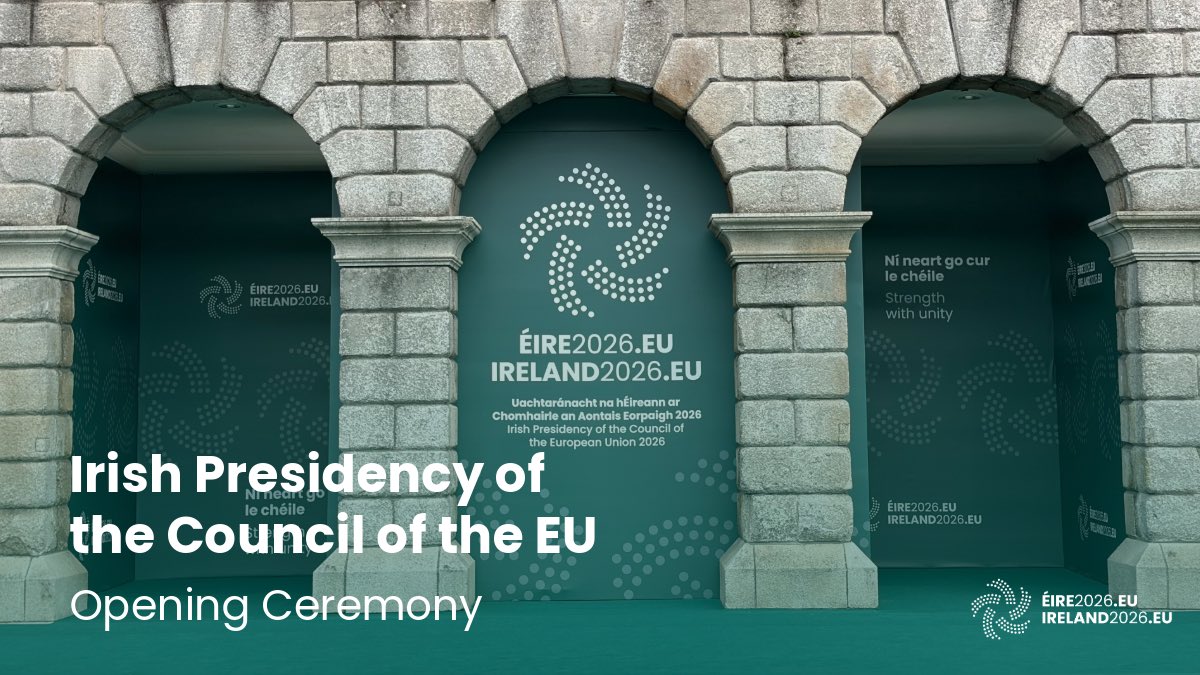
The inaugural events of the Irish presidency took place at Dublin Castle on 1 and 2 July, with the Taoiseach hosting a series of bilateral meetings with EU leaders and a formal ceremony to mark the handover of the presidency from the previous holder. European Commission President Ursula von der Leyen attended the Dublin events, as did Ukrainian President Volodymyr Zelenskyy, whose presence underscored the centrality of the Ukraine conflict to the EU's current agenda and the importance Ireland attaches to continued European support for Ukraine.
The government has launched a dedicated presidency website, Ireland2026.eu, which sets out the full programme of legislative priorities and events for the six-month period. The programme identifies a range of specific legislative files that Ireland hopes to advance during its presidency, including measures related to the EU's competitiveness agenda, the development of a European defence industrial strategy, and the implementation of the EU's migration and asylum pact.
The Taoiseach used the occasion to emphasise Ireland's commitment to the European project and its determination to use the presidency to deliver tangible results for EU citizens. He also addressed the question of Ireland's relationship with the United Kingdom, noting that the presidency provides an opportunity to strengthen the EU-UK relationship and to demonstrate the benefits of the Windsor Framework for all-island trade and cooperation.
Why It Matters
Ireland's EU Council Presidency matters for reasons that are both international and domestic. At the international level, it places Ireland at the centre of European decision-making at a critical moment, giving the country an influence over the EU's agenda that is disproportionate to its size. The presidency also provides a platform for Ireland to advance its values and interests on the world stage, from its commitment to multilateralism and international law to its specific concerns about the future of the island of Ireland in the post-Brexit era. At the domestic level, the presidency is an opportunity to demonstrate to the Irish public the tangible benefits of EU membership and to build support for the European project at a time when euroscepticism has been growing in some member states. The presence of international leaders in Dublin, the media coverage of Ireland's diplomatic activities, and the sense of national pride associated with holding the presidency all contribute to a positive narrative about Ireland's place in the world.
Local Impact
The presidency has a direct economic impact on Dublin and the wider country, with a significant programme of events, conferences, and ministerial meetings scheduled to take place across Ireland over the six-month period. Dublin Castle, the Convention Centre Dublin, and a range of other venues across the capital will host EU Council meetings and associated events, generating business for hotels, restaurants, and the broader hospitality sector. Events are also planned in Cork, Galway, Limerick, and other cities, ensuring that the presidency has a visible presence beyond the capital. The Department of Foreign Affairs has estimated that the presidency will generate significant media coverage of Ireland internationally, with a positive impact on tourism and foreign direct investment. Irish civil society organisations, academic institutions, and business groups will also have opportunities to engage with the EU's agenda through a programme of public events and consultations.
What's Next
The Irish presidency will run until 31 December 2026, with a packed programme of Council meetings, legislative negotiations, and diplomatic events scheduled throughout the period. Key milestones include a mid-term review of the presidency programme in September, a European Council summit in October, and the conclusion of negotiations on a number of priority legislative files before the end of the year. The Taoiseach is expected to make a statement to the Dáil on the presidency programme in the coming weeks, and the Oireachtas Committee on European Affairs will hold regular hearings to scrutinise Ireland's performance in the presidency role. The handover to the next presidency holder — Poland — is scheduled for 1 January 2027.