HSE Orders Immediate Corrective Measures After €150 Million Deficit in First Two Months of 2026
Ireland's Health Service Executive has recorded a €150 million deficit in just the first two months of 2026, prompting new chief executive Anne O'Connor to order "immediate corrective measures" and demand detailed cost-saving plans from regional managers across the country.
O'Connor described the financial position as "extremely concerning," with the overrun attributed primarily to high agency staff costs and non-pay expenditure during an exceptionally busy winter period for the health service. The scale of the deficit — equivalent to more than €2.5 million per day — has alarmed health officials and raised serious questions about the HSE's ability to deliver its ambitious 2026 National Service Plan within budget.
Background
The HSE was allocated a record budget of €29 billion for its 2026 National Service Plan — a €1.5 billion increase on 2025 — with the plan prioritising improved access to care, reduced waiting times, and a shift of services from acute hospitals into the community. Key deliverables include 428 new community beds, 177 acute beds, five new surgical hubs, and the completion of the long-awaited National Children's Hospital. The HSE is also required to secure €211 million in savings for 2026, making the early deficit particularly alarming.
The HSE has faced persistent structural challenges for years, including an over-reliance on expensive agency staff, rising demand from an ageing population, and the difficulty of delivering reform within budget constraints. The government has made clear that it will not provide additional State funding to cover public service overruns, meaning the HSE must find savings from within its existing allocation — a task that will require difficult decisions about staffing, services, and capital expenditure.
Key Developments
The €150 million deficit was driven by a surge in demand during the winter months, with a 4.65% increase in hospital admissions and a 17% increase in the use of surge capacity. The HSE's six regional executive officers have been tasked with developing detailed plans to address the overspending, with a focus on reducing reliance on expensive agency staff and accelerating the recruitment of permanent employees. A ban on using agency personnel in management and administration roles is expected to be strictly enforced.
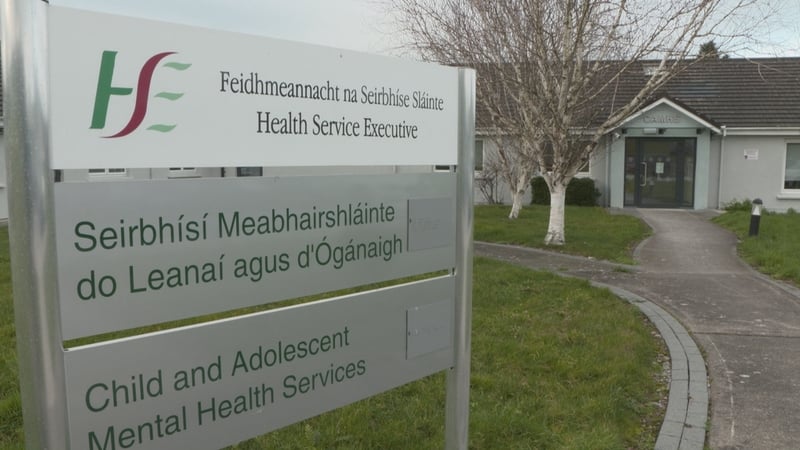
The psychiatric nursing system is particularly affected by staffing pressures, with more than 700 vacancies across the service. This has led to the curtailment of services and an inability to open new, purpose-built units — including 58 beds in the new forensic mental health service and a 20-bed CAMHS unit that remain closed for want of staff. The 2026 National Service Plan includes commitments to hire an additional 300 whole-time equivalent mental health staff and establish new crisis resolution teams and crisis cafés, but these ambitions are undermined by the inability to recruit and retain essential clinical staff.
The financial crisis comes alongside a separate patient welfare issue: the HSE has been forced to find alternative placements for several vulnerable Irish patients being treated at St Andrew's Healthcare, a mental health hospital in Northampton, after NHS England took enforcement action against the facility due to "inadequate" safety ratings. The High Court president in Dublin, Mr Justice David Barniville, described the NHS decision as a "bolt from the blue," adding further pressure to an already stretched system.
Why It Matters
The deficit highlights the persistent structural challenges facing the Irish health service at a moment when the demands placed on it have never been greater. Ireland's population is ageing rapidly, and the number of people requiring complex, long-term care is growing year on year. The over-reliance on agency staff — which costs significantly more than employing permanent employees — is a symptom of a deeper recruitment and retention crisis that has been building for years and has resisted repeated attempts at resolution.
For patients, the consequences of the financial pressure are felt in longer waiting times, reduced access to specialist services, and the continued reliance on UK facilities for high-dependency psychiatric care. The government's insistence that the HSE must live within its budget is understandable from a fiscal perspective, but it places enormous pressure on frontline staff and managers who are already operating at the limits of their capacity.
Local Impact
The HSE's financial difficulties have direct implications for health services across the island of Ireland, including in Northern Ireland, where the health system faces its own severe pressures. The two health systems — the HSE in the Republic and the Health and Social Care system in Northern Ireland — share many of the same structural challenges: staff shortages, rising demand, ageing infrastructure, and the difficulty of recruiting and retaining clinical staff in a competitive international market. Cross-border health cooperation, including shared services and patient transfers, is an important part of how both systems manage their capacity constraints, and the HSE's financial difficulties could affect the availability of those arrangements.
What's Next
Regional managers have been given a tight deadline to submit cost-saving plans. The HSE's performance will be closely monitored by the Department of Health and the Oireachtas health committee. Full details of the HSE's financial position are available via The Irish Times and the HSE's press office.