HSE Ordered to Find New Placements for Vulnerable Irish Patients After UK Hospital Removal
Ireland's Health Service Executive has been ordered by the Irish High Court to find alternative placements for a number of vulnerable Irish patients currently receiving specialist mental health care at St Andrew's Healthcare in Northampton, after NHS England instructed its commissioners to remove all inpatients from the facility following two inspection reports that rated it as "inadequate" — a development that has thrown into sharp relief Ireland's longstanding reliance on UK hospitals for specialist care that is not available within the Irish health system.
The High Court is currently reviewing the cases of seven Irish patients at the Northampton facility, and has ordered the HSE to arrange for their transfer to alternative placements. The HSE expressed "shock" at NHS England's decision, stating that it had not identified any specific health or safety concerns regarding the Irish patients at St Andrew's, but confirmed it is complying with the court order.
Background
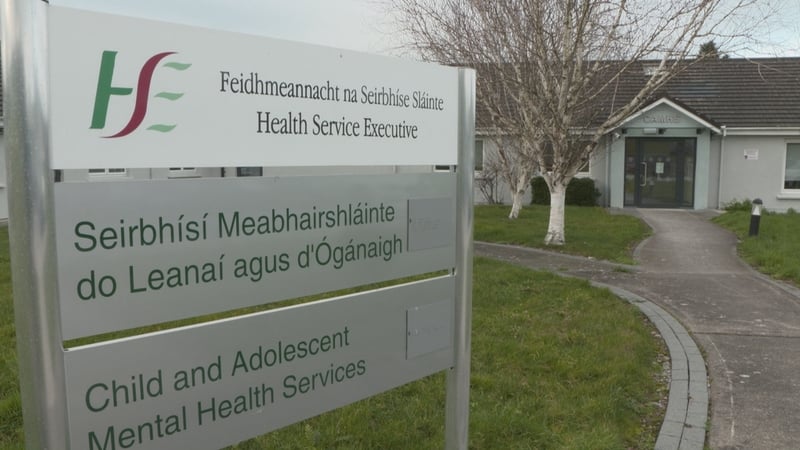
St Andrew's Healthcare is a large independent mental health charity operating hospitals and services across England. Its Northampton facility has long been used by the HSE to place Irish patients with complex mental health needs that cannot be met within the Irish healthcare system — a practice that reflects a broader pattern of cross-border healthcare reliance that has developed over many years.
Ireland's mental health services have faced persistent criticism for their inability to provide adequate specialist care for patients with the most complex needs. The lack of high-dependency and forensic mental health beds in particular has meant that the HSE has regularly had to seek placements in the UK, at significant cost and with obvious implications for patients' proximity to their families and support networks. The number of Irish patients in UK mental health facilities at any given time runs into the dozens, and the practice has been the subject of repeated calls for reform from advocacy groups and the Oireachtas.
The inspection reports that triggered NHS England's decision were conducted in December 2025 and highlighted "significant concerns about culture at the organisation and the processes that allow staff to speak up." The reports rated St Andrew's Northampton as "inadequate" — the lowest possible rating from the Care Quality Commission — and NHS England subsequently instructed its commissioners to find alternative placements for all inpatients, a decision that directly affected the Irish patients placed there by the HSE.
Key Developments
The HSE's response to the situation has been one of compliance combined with concern. The executive stated that it had not independently identified safety concerns regarding its patients at St Andrew's, and expressed surprise at the speed and scope of NHS England's decision. However, with the Irish High Court now actively overseeing the cases of seven patients, the HSE has no choice but to proceed with finding alternative placements, a process that is complicated by the very shortage of specialist capacity in Ireland that led to the original placements in the UK.
The court proceedings have highlighted the human dimension of the issue: these are vulnerable individuals with complex needs, for whom any disruption to their care environment carries real risks. The challenge of finding suitable alternative placements — whether in Ireland or elsewhere in the UK — within a reasonable timeframe is significant, and the court will be monitoring the HSE's progress closely.
The case has also drawn attention to the broader governance questions around the HSE's use of UK placements. Critics have argued that the executive has been too slow to develop the domestic capacity needed to reduce dependence on overseas facilities, and that the current situation is the predictable consequence of years of underinvestment in specialist mental health services.
Why It Matters
This case matters because it exposes a structural vulnerability in Ireland's healthcare system that has been allowed to persist for far too long. The reliance on UK hospitals for specialist mental health care is not a temporary stopgap — it is a deeply embedded feature of how Ireland manages its most complex cases, and it carries serious risks. When a UK facility is rated as inadequate, Irish patients are caught in the crossfire of a regulatory system over which the HSE has no direct control. The patients affected are among the most vulnerable in society, and the disruption caused by an enforced transfer — however necessary — can have serious consequences for their wellbeing and recovery. The case is a powerful argument for accelerating the development of specialist mental health capacity within Ireland, so that the country is not dependent on the decisions of NHS England for the care of its most vulnerable citizens.
Local Impact
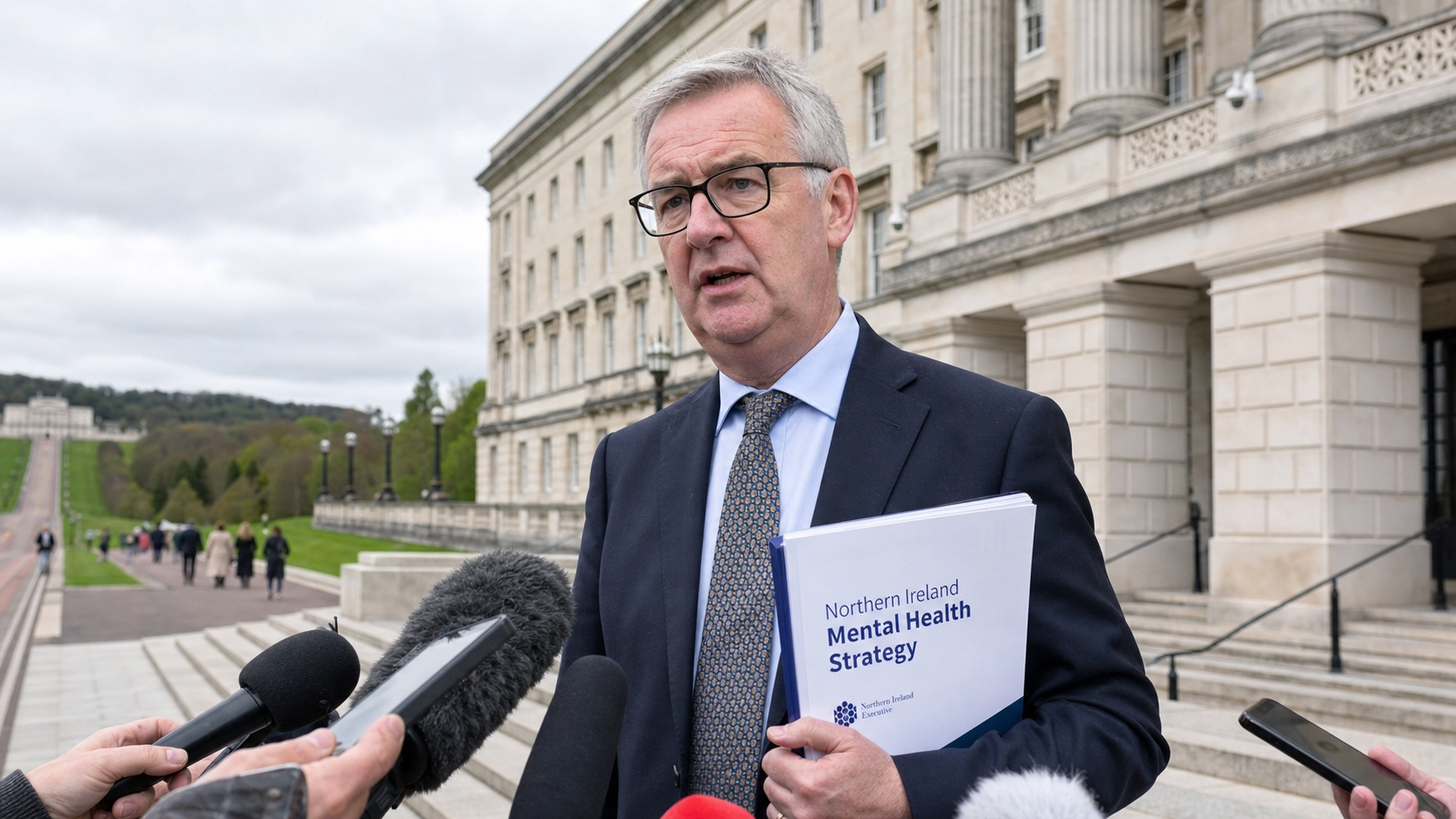
For Northern Ireland, the case has particular resonance. The region's health service faces its own challenges in providing specialist mental health care, and there is a long history of cross-border referrals between Northern Ireland and the Republic, as well as between Northern Ireland and facilities in Great Britain. The Stormont Executive's Department of Health will be watching the HSE's experience closely, as it grapples with similar questions about how to develop sufficient specialist capacity within Northern Ireland to reduce dependence on placements elsewhere. The case is also a reminder of the importance of robust inspection and oversight regimes for the facilities that care for the most vulnerable patients, wherever they are located.
What's Next
The HSE is expected to provide regular updates to the High Court on its progress in finding alternative placements for the affected patients. The process of identifying suitable facilities — whether in Ireland or in other UK hospitals — is likely to take several weeks, and the court will be monitoring the situation to ensure that the patients' welfare is protected throughout the transition. In the longer term, the case is likely to add momentum to calls for a significant expansion of specialist mental health capacity within Ireland, reducing the country's dependence on UK placements and ensuring that vulnerable patients can receive care closer to their families and communities.
Sources: The Irish Times — HSE must find places for vulnerable patients after removal from UK hospital ordered | BreakingNews.ie — HSE must find alternative placements for Irish patients at English mental health hospital