HSE Launches Spring COVID Vaccine Programme for Young Children in Ireland
The Health Service Executive (HSE) has launched its 2026 Spring COVID-19 Vaccination Programme for young children, issuing updated protocols for the administration of the Comirnaty LP.8.1 mRNA vaccine to children aged six months to four years — with a particular focus on those with underlying health conditions or immunocompromise. The programme reflects the National Immunisation Advisory Committee's (NIAC) ongoing commitment to protecting Ireland's most vulnerable young children from severe COVID-19, even as the virus has receded from the centre of public health discourse.
Background
COVID-19 has not disappeared from Ireland or the UK — it has simply become endemic, circulating alongside other respiratory viruses and continuing to pose a genuine risk to those with weakened immune systems or underlying health conditions. As of April 2026, the dominant COVID-19 variant in Ireland is BA.3.2, known as "Cicada," accounting for 44.4% of confirmed cases, with other circulating variants including XFG ("Stratus") and NB.1.8.1 ("Nimbus"). In the UK, COVID-19 activity during April 2026 has been stable and at baseline levels, with hospital admissions decreasing — a picture that reflects the protection provided by previous vaccination and natural immunity, but which does not eliminate risk for the most vulnerable.
The HSE National Immunisation Office (NIO) has issued version 4 of its master medicine protocol for the administration of the Comirnaty LP.8.1 COVID-19 mRNA vaccine to children in the youngest age group. The protocol provides written instructions for registered healthcare professionals to administer the vaccine without an individual prescription, in line with NIAC recommendations. The European Medicines Agency (EMA) has authorised Comirnaty LP.8.1 for active immunisation against COVID-19 in individuals aged six months and older, concluding that the vaccine triggers a comparable immune response in young children as seen in older age groups, and that its benefits outweigh its risks.
Ireland's approach differs from that of the UK's Joint Committee on Vaccination and Immunisation (JCVI), which has taken a more targeted stance for Spring 2026, recommending vaccination only for immunosuppressed children aged six months and over. NIAC's recommendations are broader, also including provisions for healthy children who have never been vaccinated or who have not had a prior SARS-CoV-2 infection.
Key Developments
Under the updated protocol, the Comirnaty LP.8.1 vaccine is recommended twice a year for children aged six months to four years who have immunocompromise, and once a year for those with medical conditions associated with a higher risk of severe COVID-19. The dose is 0.3 ml, delivered via intramuscular injection — into the vastus lateralis muscle of the thigh for children under 12 months, or the deltoid muscle for older children. For immunocompetent children aged six months to four years who have never been vaccinated and have no prior infection history, a two-dose schedule is recommended; those with a prior infection require only a single dose.
The protocol provides detailed schedules for children who have never been vaccinated, distinguishing between those with and without a prior history of SARS-CoV-2 infection. It also includes specific guidance for children with immunocompromise, including considerations for a potential third dose and timing relative to immunosuppressing therapy. Healthcare professionals are advised to defer vaccination during acute severe illness and to be aware of contraindications, including a history of anaphylaxis to a previous mRNA vaccine or its components such as polyethylene glycol (PEG). The most common side effects in young children are mild to moderate and include irritability, sleepiness, loss of appetite, and injection site reactions.
Why It Matters
The spring vaccination programme matters because the children it targets — those with immunocompromise or underlying health conditions — remain genuinely at risk from COVID-19 even as the broader population has developed significant immunity. For these children and their families, the twice-yearly vaccination schedule is not a precautionary measure but a necessary protection against a virus that can cause severe illness and hospitalisation. The programme also reflects the broader principle that public health systems must continue to protect the most vulnerable even when a disease is no longer at the forefront of public concern. The HSE's continued investment in updated protocols and vaccine formulations demonstrates that commitment in practice.
Local Impact
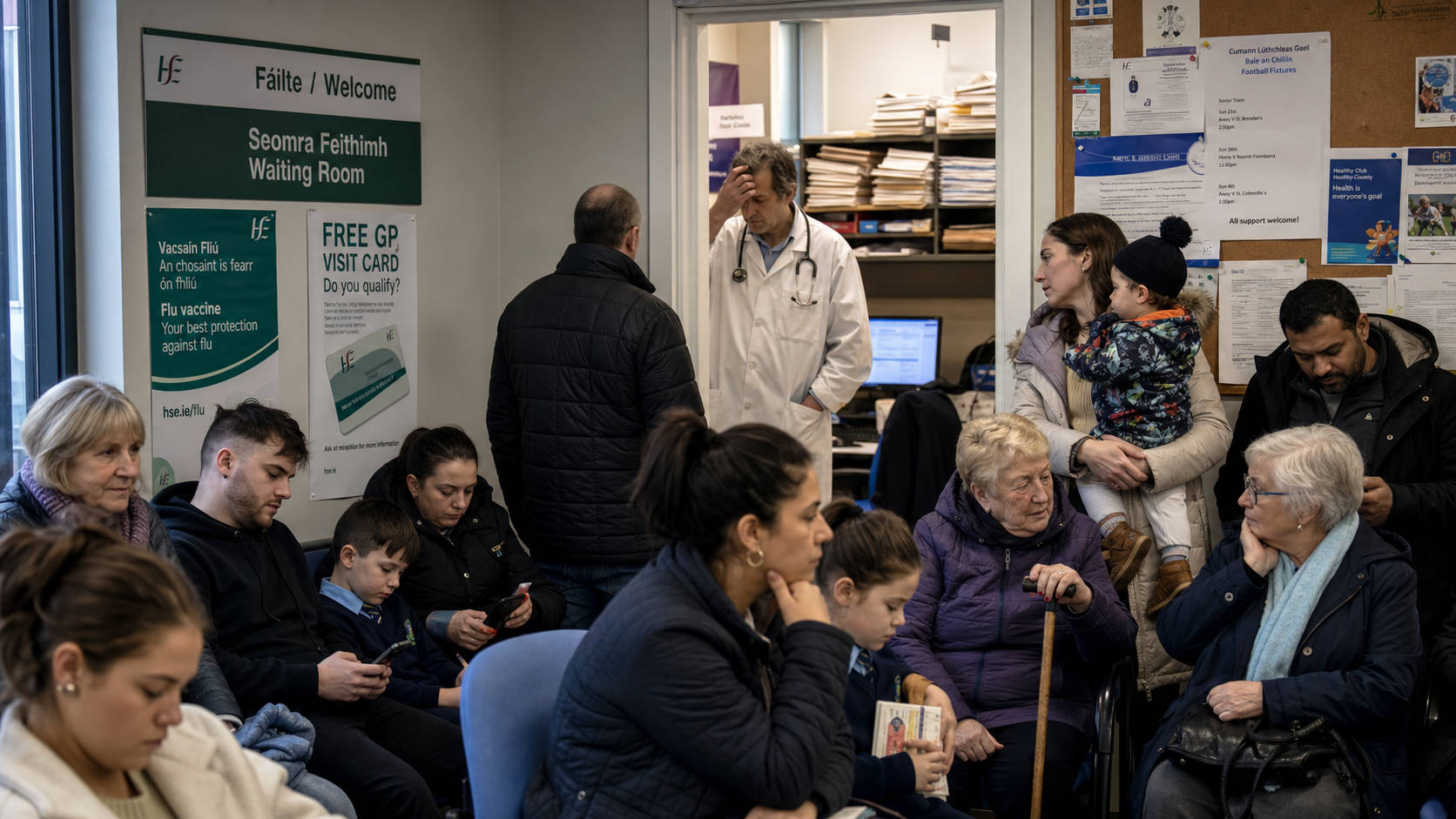
For families in Ireland with young children who have underlying health conditions, the spring programme provides a clear pathway to protection. Parents of eligible children are encouraged to contact their GP or public health nurse to arrange vaccination. The programme is part of Ireland's broader national childhood immunisation schedule, which provides free vaccines to protect against 14 infectious diseases including measles, mumps, rubella, polio, and meningitis. The COVID-19 vaccine's inclusion in this schedule for specific groups of children reflects its integration into routine childhood healthcare rather than its status as an emergency measure. For Northern Ireland, where the JCVI's more targeted approach applies, families of immunosuppressed children should similarly consult their GP about eligibility for the spring programme.
What's Next
The HSE will continue to monitor COVID-19 trends and update vaccination recommendations as needed, with the autumn programme — which will also include influenza vaccination — the next major milestone in Ireland's seasonal vaccination calendar. Parents with questions about their child's eligibility or the vaccination schedule are advised to consult their GP or visit the HSE website for the latest guidance. The ongoing evolution of COVID-19 variants means that vaccine formulations will continue to be updated to match circulating strains, and families should expect the programme to continue in its current form for the foreseeable future. Sources: UK Government — JCVI statement on COVID-19 vaccination Spring 2026; European Medicines Agency — Comirnaty authorisation and assessment.