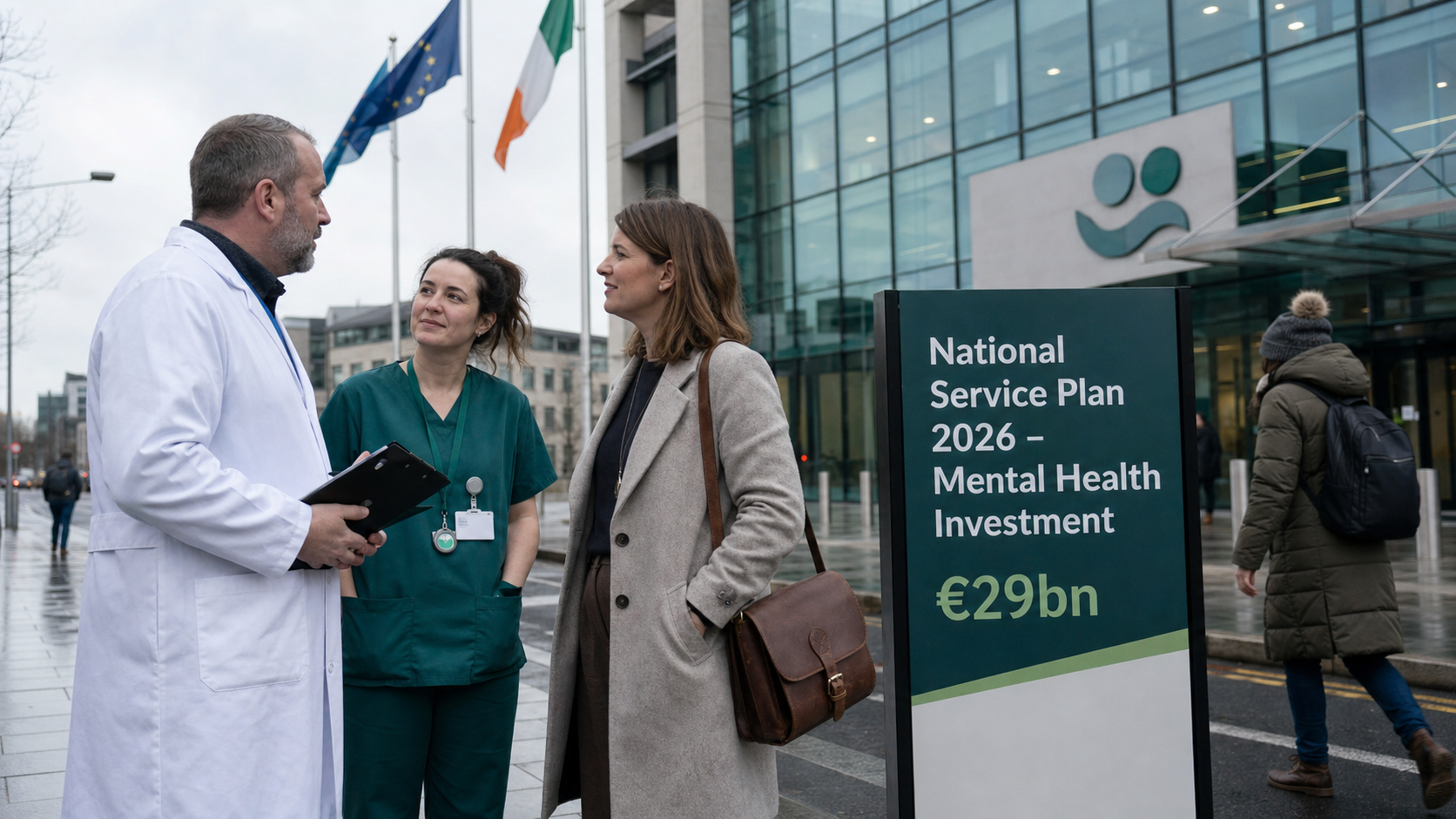
HSE Invests Record €29 Billion in 2026 Service Plan with 300 New Mental Health Posts and Three Crisis Teams
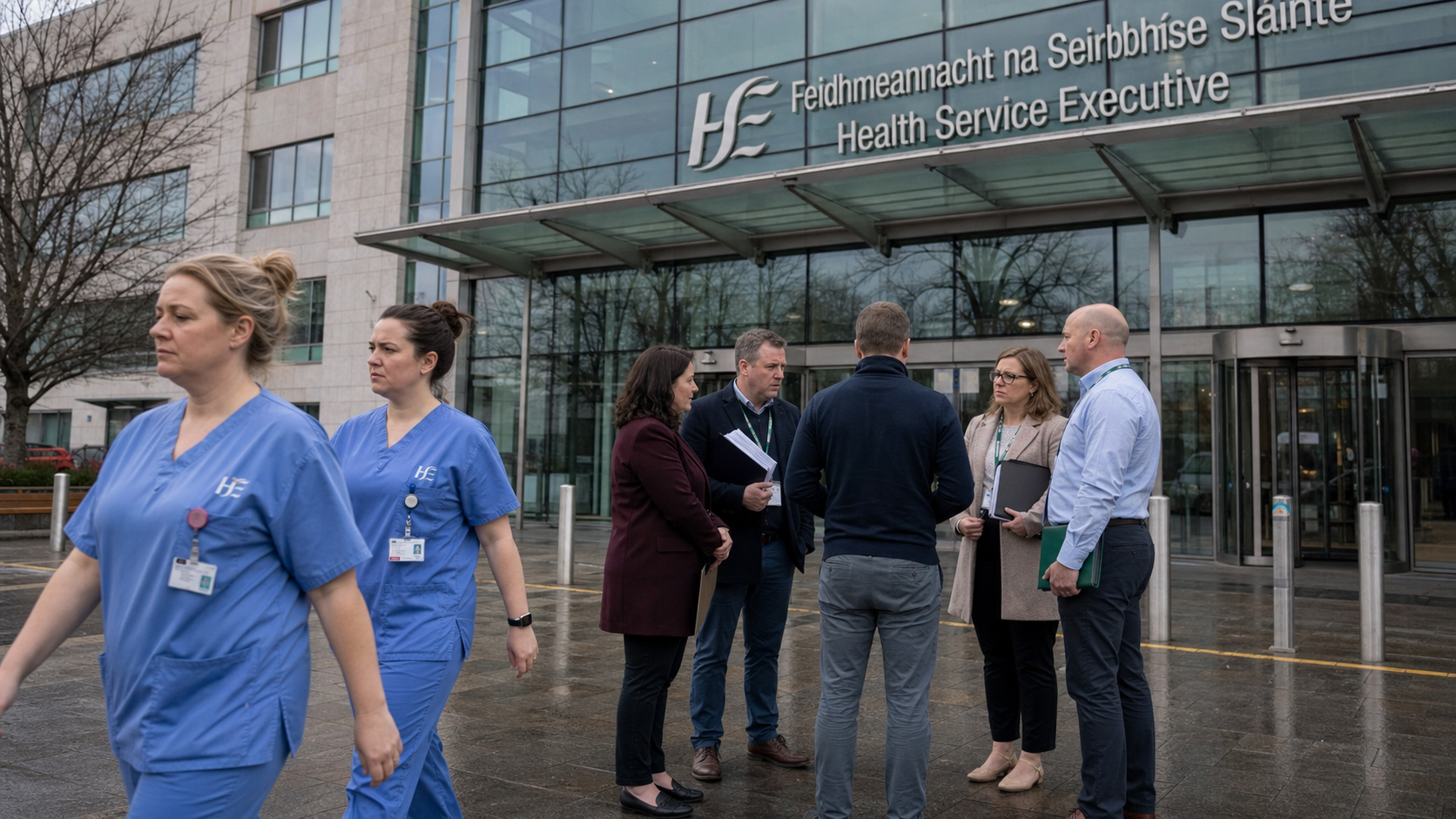
The Health Service Executive has unveiled a record €29 billion National Service Plan for 2026 that includes a landmark investment in mental health services, with 300 new posts allocated across the system, more than 100 clinical staff deployed specifically to enhance crisis response capacity, and three new Crisis Resolution Teams and Cafés established in Donegal, Kerry, and the Midlands — a programme of investment that represents the most significant expansion of community-based mental health support in the Republic's history and that stands in stark and troubling contrast to the simultaneous scaling back of Northern Ireland's mental health strategy.
Background
The HSE's National Service Plan is the annual document that sets out the health and social care services that the executive will deliver in a given year, the resources allocated to those services, and the performance targets against which delivery will be measured. The 2026 plan, with its record €29 billion budget, reflects both the continued growth of the Irish economy and the government's commitment to expanding health service capacity in response to the growing demands of an ageing and growing population.
Mental health has been a priority area for the HSE in recent years, driven by a growing recognition of the scale of mental ill-health in Irish society and the inadequacy of the services available to address it. Ireland has historically underinvested in mental health relative to comparable European countries, with a disproportionate share of mental health spending going to inpatient services rather than the community-based support that is now recognised as the most effective and cost-efficient approach to mental health care. The 2026 service plan represents a significant step towards addressing this imbalance, with the investment in new posts and crisis services designed to expand the capacity of community mental health teams and to provide more timely and appropriate support to people in crisis.
The establishment of Crisis Resolution Teams and Cafés in Donegal, Kerry, and the Midlands is particularly significant, as these are areas where access to mental health support has historically been limited by geographic isolation and the concentration of services in the major urban centres. The Crisis Resolution Teams provide intensive community-based support to people in acute mental health crisis, offering an alternative to hospital admission that is both more effective for the individual and more cost-efficient for the health system. The Crisis Cafés provide a safe and supportive environment for people experiencing mental health difficulties to access support and connect with services, without the stigma and formality associated with traditional clinical settings.
Key Developments
The 300 new mental health posts allocated in the 2026 service plan represent a significant expansion of the mental health workforce, addressing one of the most critical bottlenecks in the delivery of mental health services in the Republic. The posts span a range of disciplines, including psychiatry, psychology, nursing, social work, and occupational therapy, reflecting the multidisciplinary nature of effective mental health care. The deployment of more than 100 clinical staff specifically to enhance crisis response capacity is a recognition of the particular pressure on crisis services, which have been struggling to meet demand in recent years.
The three new Crisis Resolution Teams and Cafés in Donegal, Kerry, and the Midlands will provide services to communities that have previously had limited access to community-based mental health support. In Donegal, where geographic isolation has been a significant barrier to accessing mental health services, the new Crisis Resolution Team will provide a vital resource for people in acute distress who might otherwise have had to travel long distances to access support or who might have presented at emergency departments as a last resort. In Kerry and the Midlands, the new services will similarly expand access to community-based support in areas where provision has been inadequate.
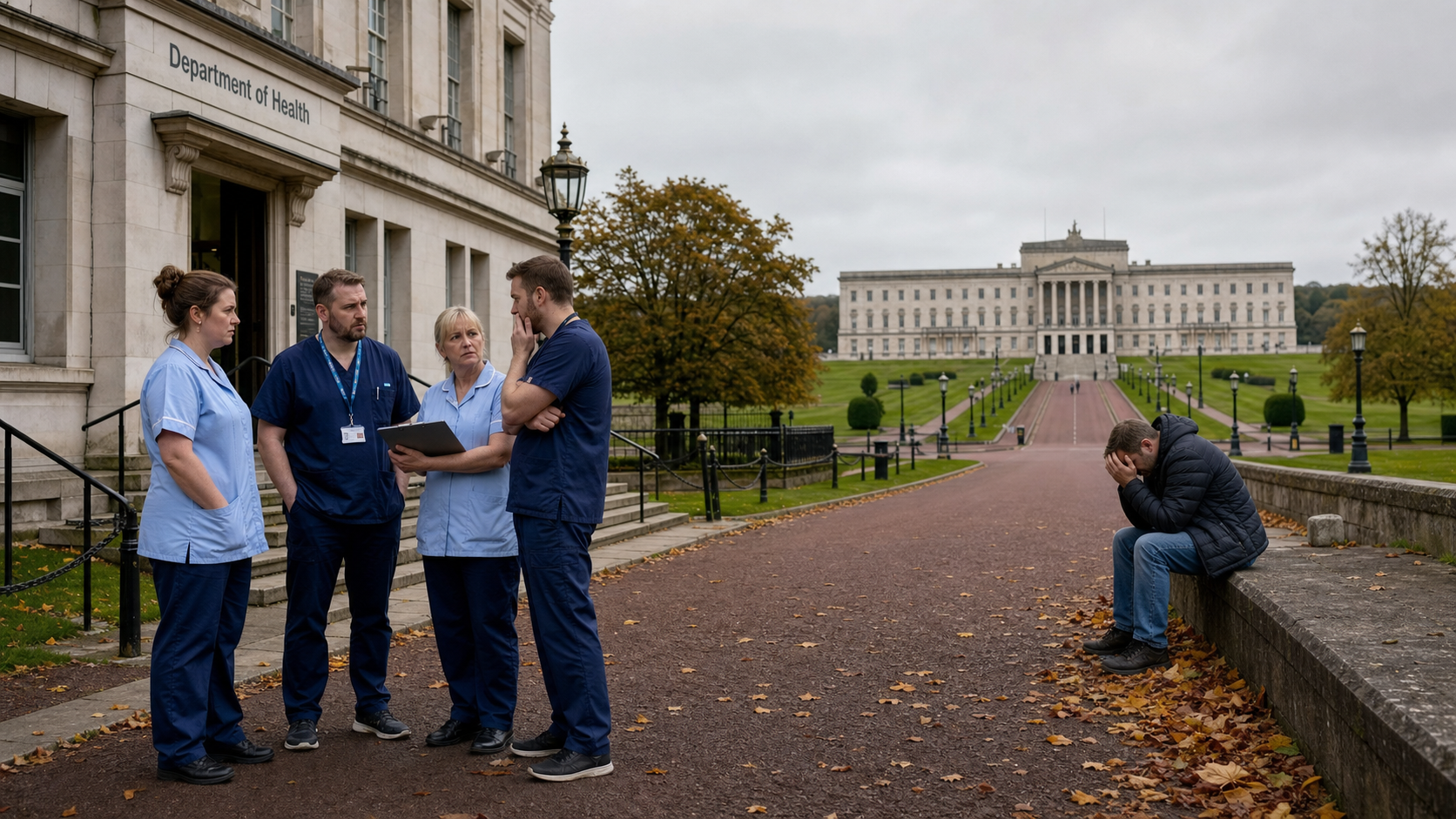
The contrast with Northern Ireland's mental health situation is stark. While the HSE is investing record resources in expanding mental health services in the Republic, the Department of Health in Northern Ireland has been forced to scale back its Mental Health Strategy due to funding shortfalls, with only 16% of the required investment having been delivered since the strategy's launch in 2021. This divergence in mental health investment between the two jurisdictions has significant implications for the health and wellbeing of people on both sides of the border and for the broader question of health equity on the island of Ireland.
Why It Matters
The HSE's record investment in mental health matters because it represents a genuine and significant step towards addressing one of the most pressing public health challenges facing Irish society. Mental ill-health affects hundreds of thousands of people in the Republic, with consequences that extend far beyond the individuals directly affected to their families, communities, and workplaces. The investment in new posts and crisis services will not solve the problem overnight — the scale of unmet need is too great for that — but it represents a meaningful expansion of capacity that will make a real difference to the lives of many people who are currently unable to access the support they need. The contrast with Northern Ireland also matters, as it illustrates the consequences of the divergence in health investment between the two jurisdictions and raises important questions about health equity on the island of Ireland.
Local Impact
The impact of the new mental health investment will be felt most directly in the communities where the new Crisis Resolution Teams and Cafés are being established. In Donegal, the new Crisis Resolution Team will provide a vital resource for communities across the county, from Letterkenny and Donegal town to the more remote areas of the Inishowen Peninsula and the Gaeltacht. In Kerry, the new service will expand access to crisis support in a county where the combination of geographic isolation and high rates of mental ill-health has created significant unmet need. In the Midlands, the new Crisis Café will provide a safe and accessible space for people in the Laois, Offaly, Longford, and Westmeath areas to access mental health support without the barriers associated with traditional clinical settings. The 300 new posts will be distributed across HSE regions, with the allocation reflecting the relative levels of need and the existing gaps in service provision in different parts of the country.
What's Next
The HSE will begin implementing the 2026 service plan immediately, with the recruitment process for the 300 new mental health posts expected to begin in the coming months. The establishment of the three new Crisis Resolution Teams and Cafés is expected to be completed by the end of 2026, with the services operational before the end of the year. The HSE will publish quarterly performance reports against the targets set out in the service plan, providing transparency about the pace of implementation and the impact of the new investment. The Department of Health is also expected to publish a review of the government's mental health policy framework later in 2026, which will set out the priorities for mental health investment in the medium term and provide a roadmap for further expansion of community-based services in the years ahead.