Record Numbers Waiting for Central Mental Hospital as Psychiatric Care Crisis Deepens
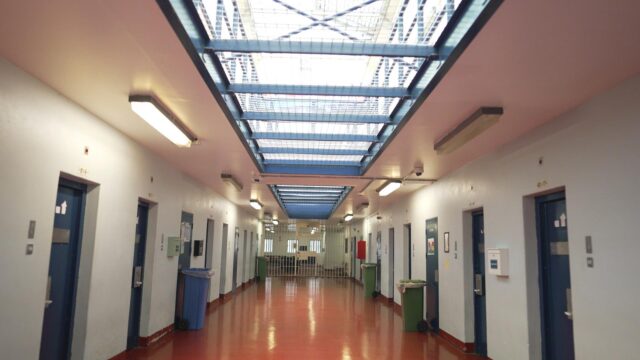
A record number of people assessed as requiring admission to the Central Mental Hospital are instead being held in prison cells due to a critical shortage of secure psychiatric beds, while Child and Adolescent Mental Health Services across Ireland are operating with only half the inpatient capacity recommended by clinical guidelines — a situation that the Psychiatric Nurses' Association has described as a "psychiatric care scandal in real-time" with profound human rights implications.
Background
Ireland's mental health services have been chronically underfunded for decades, a legacy of a health system that historically prioritised acute physical health over mental health and that was slow to implement the deinstitutionalisation agenda recommended by the landmark 2006 policy document, A Vision for Change. The closure of large psychiatric institutions without adequate investment in community-based alternatives left a significant gap in the provision of mental health services that has never been fully addressed.
The Central Mental Hospital in Dundrum, Dublin, is Ireland's only forensic psychiatric facility — the institution to which people who have been found not guilty by reason of insanity, or who require secure psychiatric care, are admitted. The hospital has a limited number of beds, and the demand for those beds has consistently exceeded supply. When a bed is not available, individuals who have been assessed as requiring admission to the Central Mental Hospital are instead held in prison — a situation that is widely regarded as a serious human rights violation and a failure of the state's duty of care to its most vulnerable citizens.
Child and Adolescent Mental Health Services (CAMHS) have been under severe pressure for several years, with long waiting lists, staff shortages, and a chronic lack of inpatient beds. The HSE's own clinical guidelines recommend 100 CAMHS inpatient beds nationwide, but as of April 2026, only 50 are operational — a shortfall that means children and young people in acute mental health crisis are often unable to access the inpatient care they need.
Key Developments
The Psychiatric Nurses' Association (PNA) has raised the alarm about the current state of psychiatric services in a series of public statements and submissions to the Oireachtas Joint Committee on Health. PNA General Secretary Peter Hughes has described the situation as a "psychiatric care scandal in real-time," warning that it is inhumane to hold mentally ill people in prison cells and that the system is failing the most vulnerable members of society.
The PNA has also raised specific concerns about the proposed closure of a 10-bed CAMHS inpatient unit at St Vincent's Hospital in Fairview, Dublin. The unit, which provides acute inpatient care for children and young people in mental health crisis, is facing closure due to staffing difficulties — a decision that the PNA has described as "simply inconceivable" given the existing shortage of CAMHS beds. The closure would reduce the already inadequate national CAMHS inpatient capacity by a further 20%, leaving children in crisis with even fewer options for acute care.
The Linn Dara CAMHS unit in Cherry Orchard, Dublin, which is one of the largest CAMHS inpatient facilities in the country, has also been operating under significant pressure, with staff reporting high levels of burnout and difficulty maintaining safe staffing ratios. The HSE has acknowledged the challenges facing CAMHS and has committed to a recruitment drive, but the PNA has warned that the pace of recruitment is insufficient to address the scale of the problem.
Why It Matters
The crisis in psychiatric services is not simply a health system management problem; it is a fundamental question about the kind of society Ireland wants to be. The decision to hold mentally ill people in prison cells — because the health system does not have the capacity to care for them appropriately — is a choice that reflects the priorities of successive governments and the chronic underfunding of mental health services. It is a choice that has real and devastating consequences for the individuals involved and for their families.
The CAMHS crisis is particularly alarming because it affects children and young people at the most vulnerable point in their lives. The evidence is clear that early intervention in mental health — providing appropriate care quickly when a young person first experiences a mental health crisis — significantly improves long-term outcomes. Every child who is unable to access inpatient CAMHS care when they need it is a child whose long-term mental health and life chances are being compromised by a system that is failing them.
Ireland's mental health spending as a proportion of total health expenditure remains below the European average, despite repeated commitments from successive governments to increase it. The current crisis is the predictable consequence of years of underinvestment, and it will not be resolved without a sustained and significant increase in resources — for beds, for staff, for community services, and for the infrastructure needed to deliver care in appropriate settings.
Local Impact
In Dublin, the proposed closure of the St Vincent's Fairview CAMHS unit would have an immediate and serious impact on families across the city and surrounding counties who depend on the unit for acute inpatient care. The unit serves children and young people from Dublin, Wicklow, and Kildare, and its closure would force families to travel to other parts of the country — or to go without inpatient care entirely — when their child is in crisis.
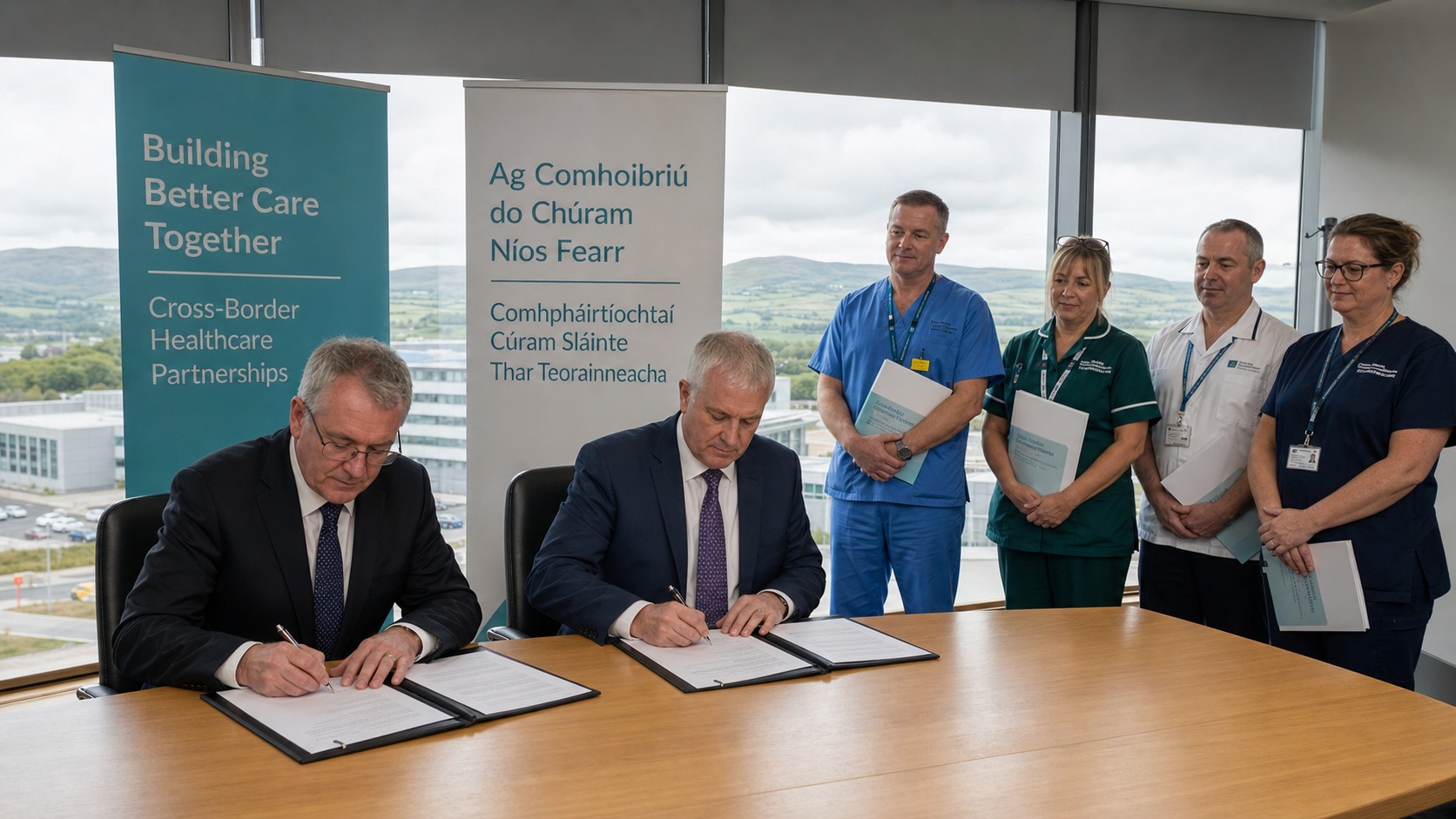
In Northern Ireland, the situation in psychiatric services is similarly challenging. The Belfast Health and Social Care Trust has reported significant pressures on its mental health services, with waiting times for CAMHS assessments among the longest in the United Kingdom. The Western Trust, which serves Derry/Londonderry and the surrounding area, has also flagged concerns about the adequacy of its mental health infrastructure, and the cross-border health MOU signed earlier this week is intended in part to address the specific mental health needs of the north-west region.
What's Next
The Oireachtas Joint Committee on Health is expected to hold hearings on the state of psychiatric services in the coming weeks, with the PNA and other stakeholders invited to give evidence. The HSE has been asked to provide a detailed plan for addressing the CAMHS bed shortage, including a timeline for the recruitment of additional staff and the opening of new inpatient units. The Minister for Health is expected to make a statement on the issue before the Dáil summer recess. The proposed closure of the St Vincent's Fairview CAMHS unit is subject to a formal review process, with a decision expected before the end of July.