Hosepipe Ban Hits Six Counties as Heatwave Pushes Water Demand 20% Above Normal Across Greater Dublin Area
A six-week water conservation order — the most extensive hosepipe ban imposed in Ireland in over a decade — came into effect on 16 July across Dublin, south Tipperary, and parts of Kildare, Meath, Wicklow, and Wexford, as Ireland's record-breaking summer heatwave pushed water demand to levels that are placing critical pressure on supplies serving hospitals, nursing homes, and essential services across the affected region.
Background
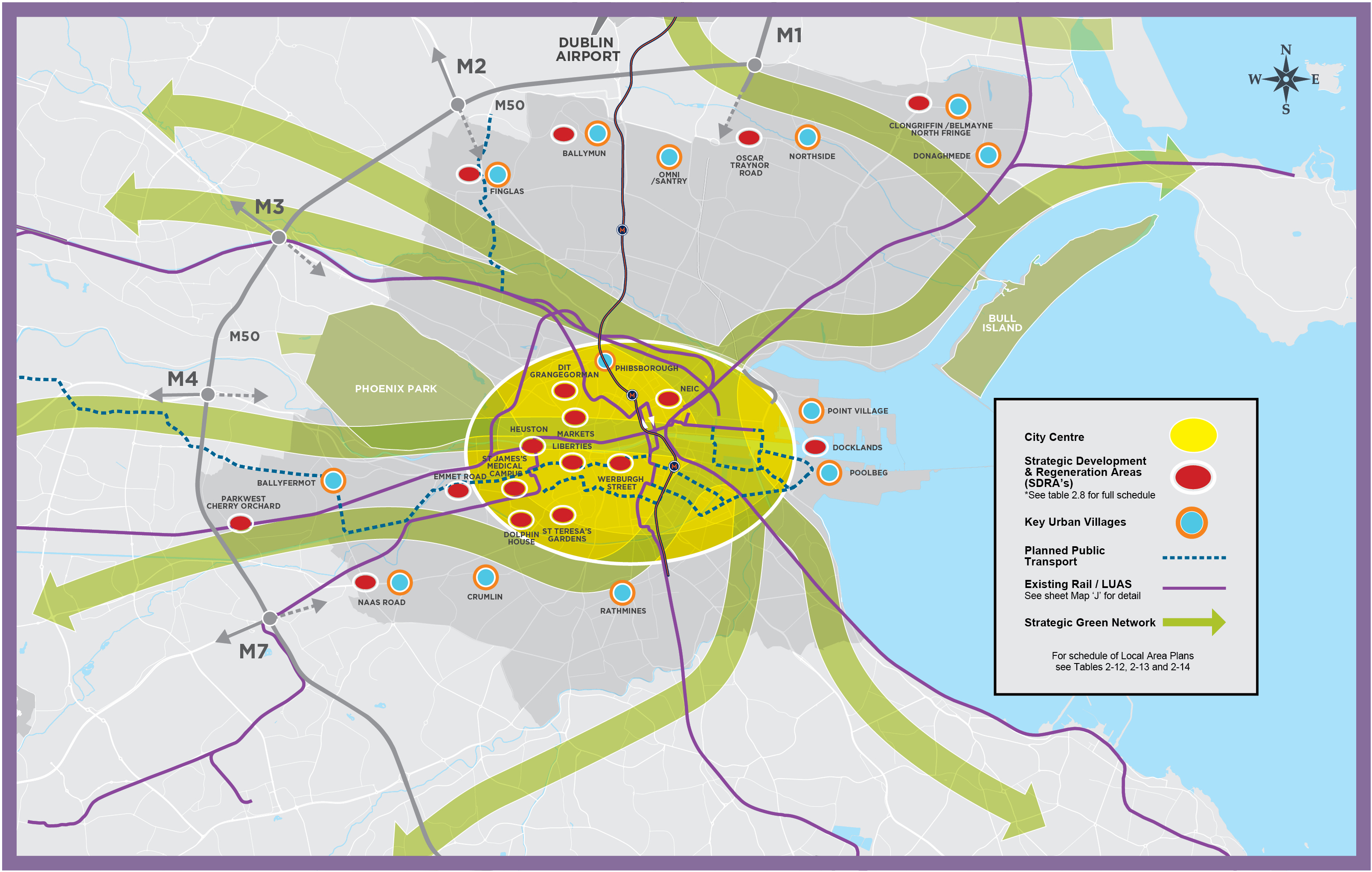
Ireland's water infrastructure has been under sustained pressure for years, with Uisce Éireann — the national water utility — managing a network that was built over many decades and that requires significant ongoing investment to maintain and upgrade. The Greater Dublin Area, which is home to approximately 1.4 million people, is served by a complex system of reservoirs, treatment plants, and distribution networks that draws water from the River Liffey, the River Vartry, and a series of upland catchments in the Wicklow Mountains.
The summer of 2026 has been exceptional by any historical measure. Meteorologists have recorded the driest June and July in the Greater Dublin Area since records began, with rainfall totals running at less than 30% of the long-term average for the period. The combination of high temperatures — which have regularly exceeded 25°C in Dublin and the surrounding counties — and the absence of meaningful rainfall has caused water levels in the key reservoirs serving the region to fall to levels that triggered Uisce Éireann's emergency response protocols.
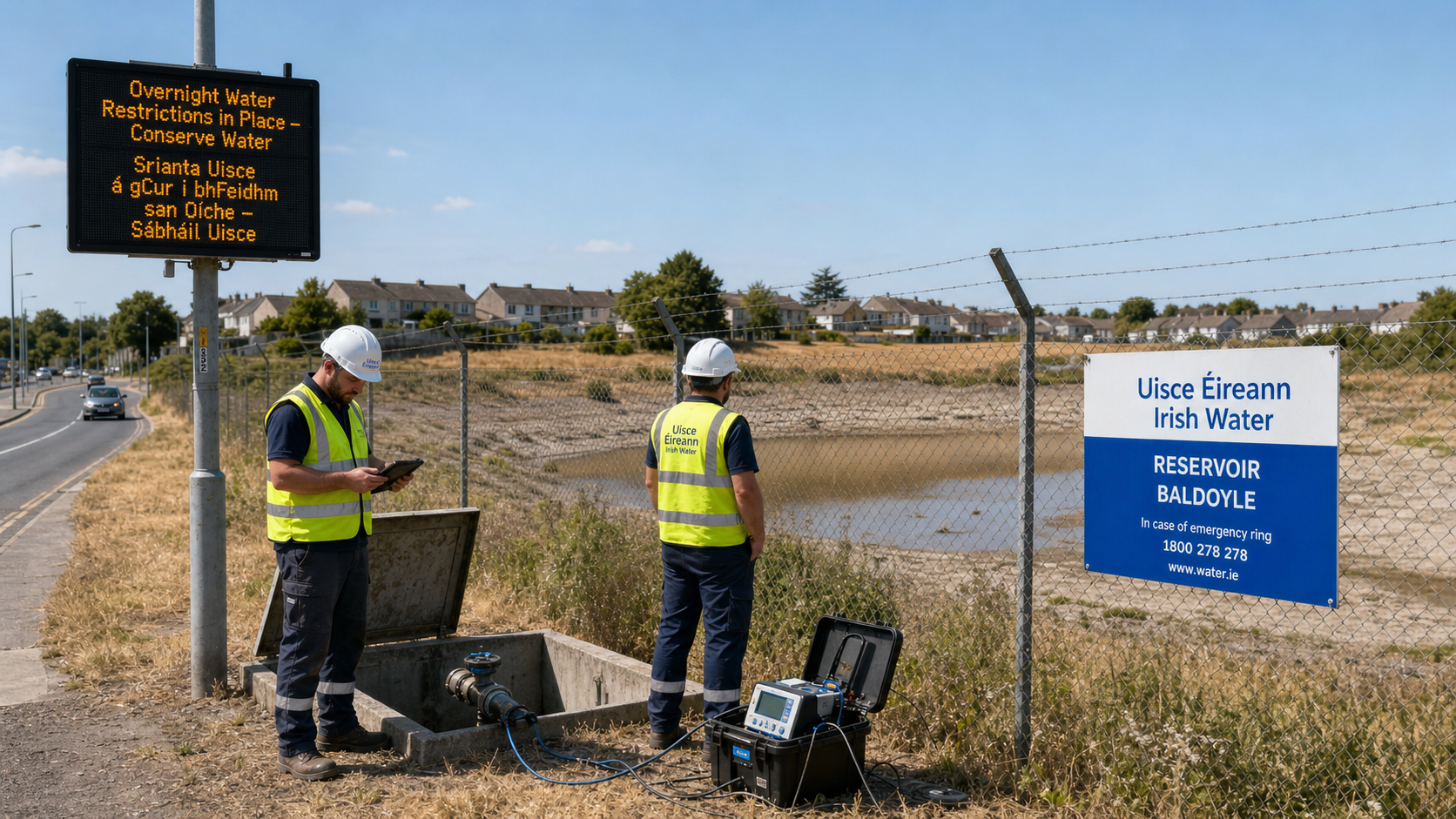
The hosepipe ban is the most visible element of a broader package of water conservation measures that Uisce Éireann has implemented in response to the crisis. Night-time water restrictions have been imposed in up to 40 additional areas across the country, with supplies reduced between midnight and 6am to allow reservoirs to recharge. The utility has also been working with major industrial and commercial users to reduce their consumption during peak demand periods.
Key Developments
The Water Conservation Order, which came into effect on 16 July and is scheduled to remain in place until 26 August, prohibits a range of activities that use significant volumes of water through a hosepipe or similar device. Prohibited activities include watering gardens, washing private vehicles, filling domestic swimming or paddling pools, and maintaining ornamental fountains or domestic ponds. Breaches of the order carry a potential fine of up to €5,000, though Uisce Éireann has indicated a preference for achieving compliance through public awareness rather than enforcement.
The utility has been at pains to emphasise that the ban is a precautionary measure designed to protect water supplies for essential services rather than an indication that supplies are at immediate risk of running out. Hospitals, nursing homes, and other critical facilities are not affected by the restrictions, and domestic supplies for drinking, cooking, and personal hygiene remain unaffected. The ban targets discretionary uses of water that, in aggregate, account for a significant proportion of the demand surge that occurs during hot weather.
Uisce Éireann has warned that the order may be extended beyond its current end date of 26 August if the dry spell continues, and may be lifted earlier if weather conditions improve significantly. The utility is monitoring reservoir levels on a daily basis and will make decisions about the duration of the restrictions based on the latest data. A second phase of restrictions, covering additional areas, is being held in reserve in case the situation deteriorates further.
Why It Matters
The hosepipe ban is a tangible manifestation of the vulnerability of Ireland's water infrastructure to the kind of extreme weather events that climate scientists have been warning about for years. The summer of 2026 is not an anomaly — it is a preview of conditions that are likely to become more frequent as global temperatures continue to rise. Ireland's water management systems, designed for a climate characterised by regular rainfall throughout the year, are not well-adapted to extended periods of drought.
The scale of the current restrictions — affecting six counties and over a million people — is unprecedented in recent Irish history. The last comparable hosepipe ban, imposed in 2018, affected a smaller area and was of shorter duration. The fact that the 2026 restrictions are more extensive reflects both the severity of the current drought and the increased demand that comes with a growing population and rising living standards.
For Uisce Éireann, the crisis has highlighted the urgency of the infrastructure investment programme that the utility has been pursuing since its establishment in 2014. The construction of a new water supply scheme for the Greater Dublin Area — a project that has been in planning for over a decade — has been identified as a critical priority, but progress has been slow due to planning challenges and funding constraints. The current crisis may provide the political impetus needed to accelerate that project.
Local Impact
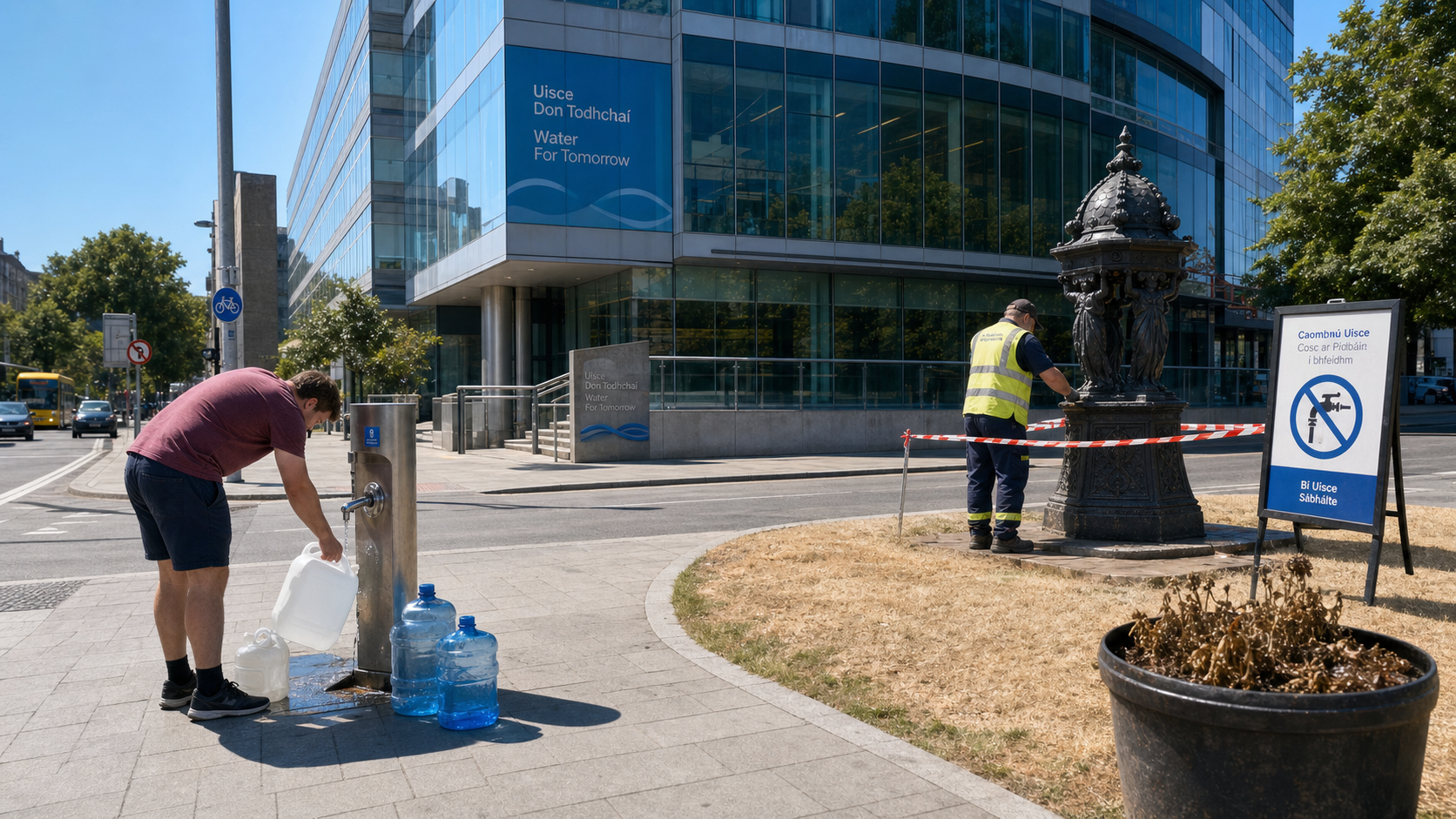
The practical impact of the hosepipe ban is being felt across the affected counties. In Dublin's suburbs — from Clontarf and Raheny on the northside to Rathfarnham and Tallaght on the southside — gardeners and allotment holders have had to adapt their watering routines, switching from hosepipes to watering cans and timing their watering for the cooler parts of the day. Car washing businesses have seen a surge in demand as private vehicle owners seek alternatives to washing at home.
In south Tipperary, where the ban covers the Clonmel and Cashel areas, farmers have expressed concern about the impact of the restrictions on their operations, though agricultural use of water is generally exempt from the terms of the order. In coastal areas of Wexford, the ban has added to the pressures facing tourism businesses that depend on the maintenance of outdoor facilities and amenities. Irish Rail and Bus Éireann have both confirmed that their operations are not affected by the restrictions, as their water use falls within the categories exempt from the ban.
What's Next
Uisce Éireann will publish weekly updates on reservoir levels and the status of the Water Conservation Order throughout the duration of the restrictions. The utility has indicated that it will engage with the relevant local authorities — Dublin City Council, Dún Laoghaire-Rathdown County Council, Fingal County Council, South Dublin County Council, Kildare County Council, Meath County Council, Wicklow County Council, Wexford County Council, and Tipperary County Council — to coordinate the public information campaign. A review of Ireland's water management strategy in the context of climate change is expected to be commissioned by the Department of Housing, Local Government and Heritage before the end of the year.