Violence Erupts Across Northern Ireland Amid Anti-Immigration Tensions
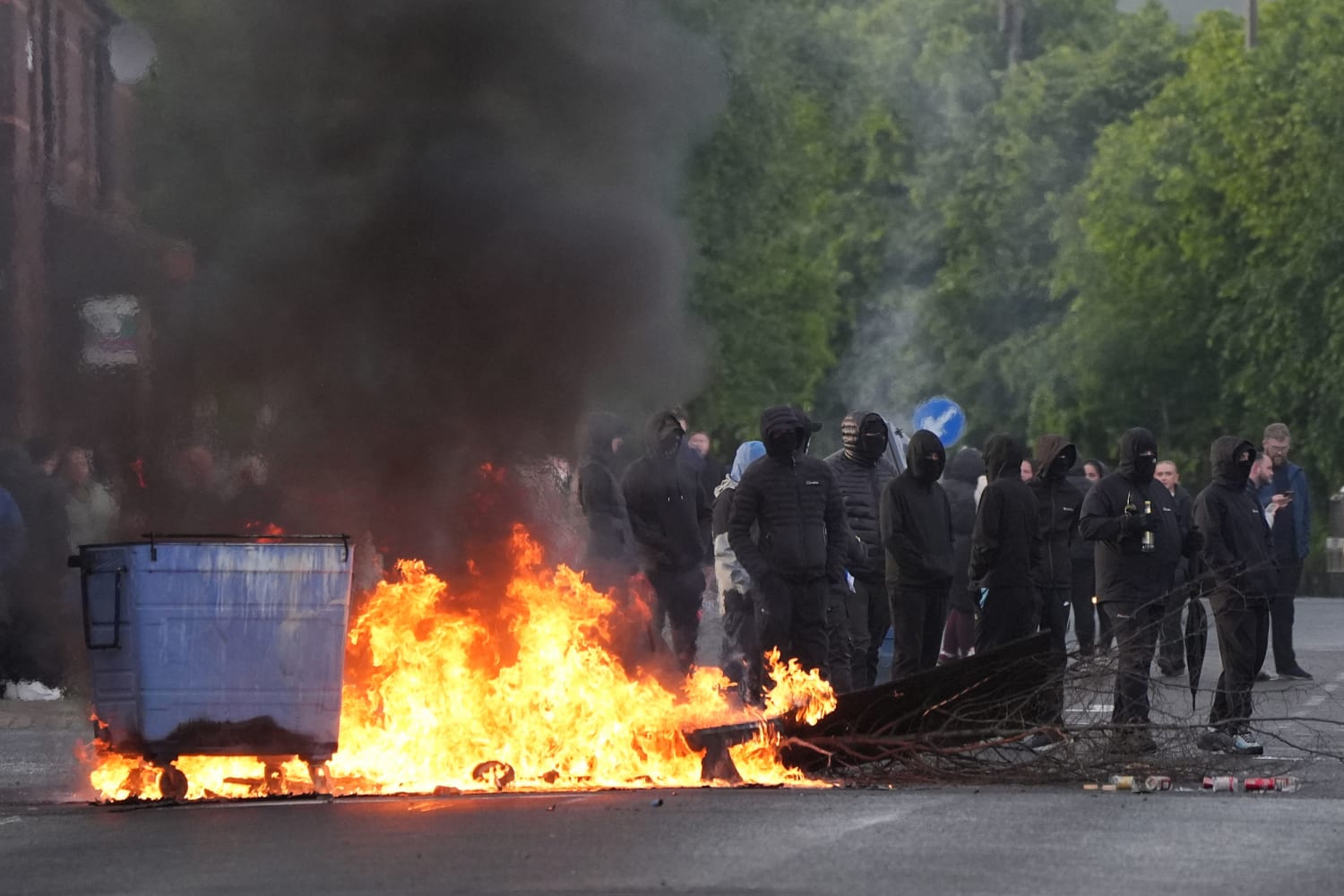
Northern Ireland has been gripped by a wave of anti-immigration violence over the past 48 hours, with homes torched, a Glider rapid transit bus hijacked and set alight, and serious clashes between protesters and police in Belfast and several other towns. The unrest, which has drawn widespread condemnation from political and community leaders, represents the most serious outbreak of civil disorder in the region in several years.
The violence began on Monday evening when a crowd gathered outside a hotel in north Belfast that had been earmarked to house asylum seekers. The protest quickly turned violent, with windows smashed and a fire started in the hotel's reception area. Police in riot gear were deployed to the scene, and several officers were injured by projectiles thrown by the crowd.
Glider Bus Attack and Residential Fires
The following night saw the violence spread to other parts of Belfast and beyond. A Glider bus — part of the city's flagship rapid transit network — was hijacked by a group of masked individuals on the Westlink and set alight, causing significant damage and disrupting services across the network. Translink, the operator of the Glider service, condemned the attack as "mindless and dangerous" and said it would take time to assess the full extent of the damage.
In east Belfast, a house that had recently been allocated to a family of asylum seekers was set on fire in the early hours of Tuesday morning. The family, who had only moved in days earlier, escaped unharmed, but the property was extensively damaged. A second residential fire in the same area is being treated as suspicious by police.
Disorder also broke out in Ballymena, Larne, and Portadown, where groups of protesters gathered outside hotels and other properties believed to be housing asylum seekers. In Ballymena, a crowd attempted to storm a hotel before being repelled by police, and several arrests were made.
Political and Community Condemnation
The violence has been condemned across the political spectrum. First Minister Michelle O'Neill described the scenes as "shameful" and called on community leaders to help restore calm. "There is no place for this kind of hatred and violence in our society," she said. "Those who are engaging in this behaviour are not representing Northern Ireland — they are damaging it."
Deputy First Minister Emma Little-Pengelly echoed these sentiments, saying that the rule of law must be upheld and that those responsible for the violence would face the full consequences of their actions. "Northern Ireland has worked too hard to build a peaceful society to allow it to be undermined by a small minority," she said.
The Alliance Party's Naomi Long, who serves as Justice Minister, said the violence was being orchestrated by far-right groups who were exploiting legitimate concerns about immigration to pursue a destructive agenda. "These are not spontaneous protests — they are coordinated attacks on vulnerable people and on our community," she said.
Police Response and Arrests
The Police Service of Northern Ireland (PSNI) has deployed significant resources to manage the disorder, with officers working extended shifts and mutual aid being sought from other forces. Assistant Chief Constable Bobby Singleton said that 23 people had been arrested in connection with the violence and that further arrests were expected.
The PSNI has appealed to the public for information about those involved in the attacks and has urged community leaders to help identify individuals who may be planning further disorder. Chief Constable Jon Boutcher said the force was determined to bring those responsible to justice and to protect the communities that had been targeted.
Context and Background
The violence comes against a backdrop of rising tensions over immigration and asylum policy in Northern Ireland, which has seen a significant increase in the number of asylum seekers being accommodated in hotels and other temporary facilities in recent months. The UK government's decision to use hotels across Northern Ireland to house asylum seekers has been controversial, with some local communities expressing concerns about the pace and scale of the arrivals.
However, community and religious leaders have been at pains to distinguish between legitimate debate about immigration policy and the kind of violent intimidation that has been witnessed over the past two days. Church leaders from across the denominations issued a joint statement calling for calm and expressing solidarity with the asylum seekers who had been targeted.
As Northern Ireland's political leaders work to restore order, the events of the past 48 hours have raised serious questions about the capacity of the region's institutions to manage the social pressures created by increased migration, and about the role of online misinformation in fuelling community tensions.