Harvey Nichols Collapse Leaves Irish Gift Card Holders Exposed as Retail Sector Faces Pressure
The collapse of Harvey Nichols has left Irish consumers holding gift cards that may be worthless, serving as a stark warning about the risks of holding large balances on retail gift cards and highlighting the growing pressures facing the premium retail sector in Ireland, which is grappling with rising costs, changing consumer habits, and intensifying competition from online platforms.
Background
Harvey Nichols, the luxury department store chain, had operated in Ireland for a number of years, attracting a loyal customer base among affluent shoppers in Dublin and beyond. The brand's Irish operations were part of a broader retail landscape that has been under significant pressure in recent years, as the combination of rising rents, higher staff costs, and the shift of consumer spending towards online platforms has made it increasingly difficult for traditional bricks-and-mortar retailers to maintain profitability.
The luxury retail sector in Ireland has been particularly affected by these trends. While the Irish economy has performed strongly in recent years, with low unemployment and rising wages, the distribution of that prosperity has been uneven, and the consumer base for luxury goods has not grown as rapidly as the overall economy. At the same time, the availability of luxury goods through online platforms — including the websites of major international luxury brands — has reduced the competitive advantage of physical luxury retail stores.
Gift cards have become an increasingly popular form of retail spending in Ireland, with consumers using them as gifts for family and friends and as a way of managing their own spending. However, the collapse of retailers that have issued gift cards leaves holders in a difficult position, as gift cards are typically treated as unsecured creditors in insolvency proceedings, meaning that holders may receive little or nothing of the value they have paid for.
Key Developments
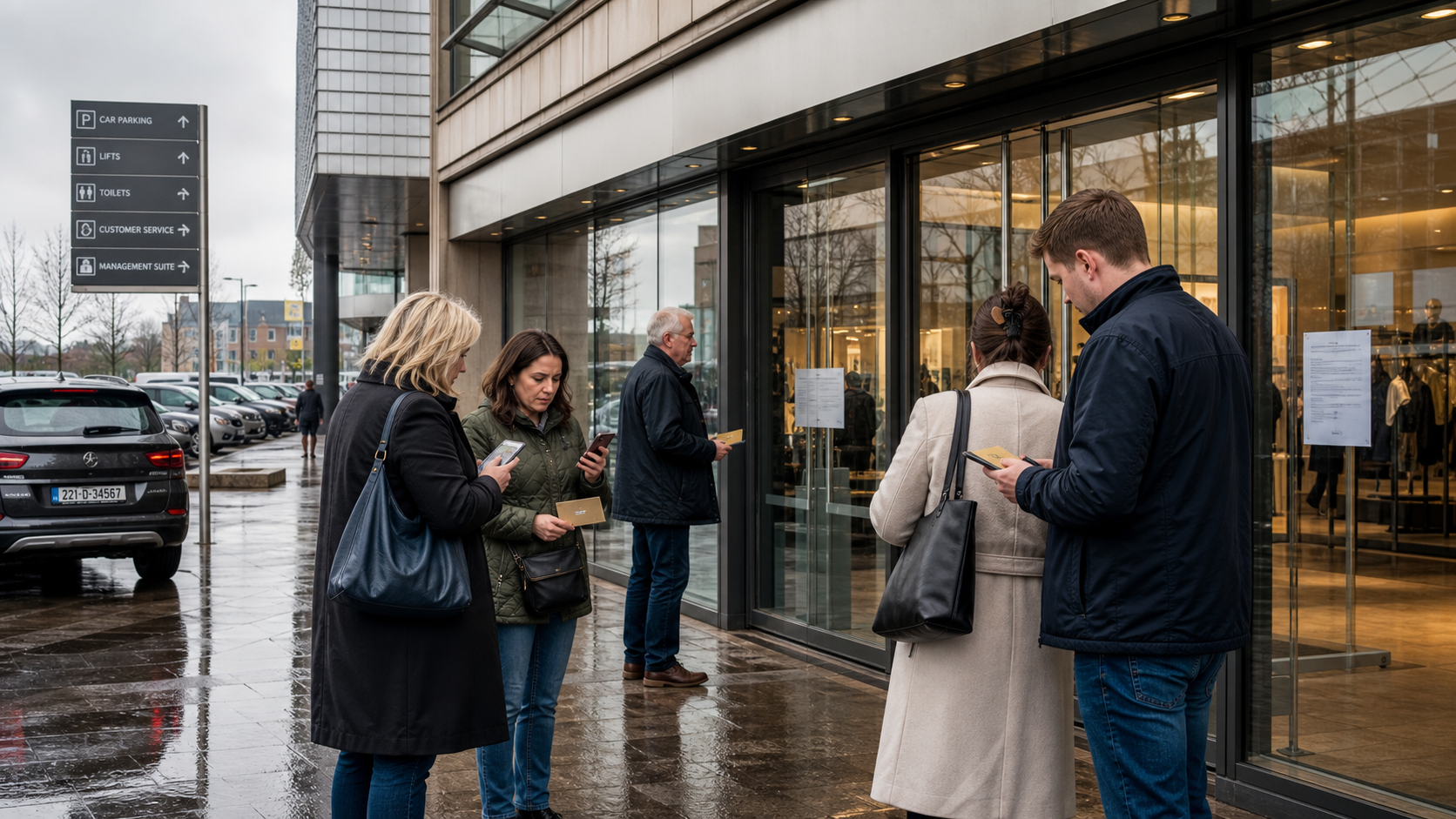
The collapse of Harvey Nichols' Irish operations has left an unknown number of Irish consumers holding gift cards that are now of uncertain value. The Competition and Consumer Protection Commission (CCPC) has issued guidance to affected consumers, advising them to register as creditors in the insolvency proceedings and to contact their credit card companies if they purchased the gift cards using a credit card, as they may be able to claim a refund under Section 75 of the Consumer Credit Act.
Consumer advocates have used the Harvey Nichols case to renew calls for stronger regulation of retail gift cards in Ireland, including requirements for retailers to hold gift card funds in segregated accounts that are protected in the event of insolvency. Currently, Irish law does not require retailers to ring-fence gift card funds, meaning that the money paid for gift cards is typically used as working capital by the retailer and is at risk if the retailer becomes insolvent.
The closure of Harvey Nichols is the latest in a series of high-profile retail failures in Ireland in recent years, reflecting the broader structural challenges facing the sector. The Irish Retail Excellence association has warned that the retail sector is under significant pressure from rising costs — including energy, wages, and commercial rents — and that further closures are likely unless the government takes action to reduce the cost burden on retailers.
Why It Matters
The Harvey Nichols collapse matters because it affects real consumers who have paid real money for gift cards that may now be worthless. For many of those consumers, the gift cards were purchased as presents for family members or friends, and the loss of their value is both a financial and an emotional blow. The case also highlights a significant gap in Irish consumer protection law that leaves gift card holders exposed in the event of retailer insolvency — a gap that the government has been slow to address despite repeated calls from consumer advocates.
More broadly, the collapse of Harvey Nichols is a symptom of the structural challenges facing the Irish retail sector. The combination of rising costs and changing consumer behaviour is creating a difficult environment for traditional retailers, and the government's response — which has focused primarily on supporting online and technology businesses — has not adequately addressed the needs of the physical retail sector. The loss of major retail brands from Irish high streets and shopping centres has significant consequences for employment, for the vitality of urban centres, and for the consumer experience.
Local Impact
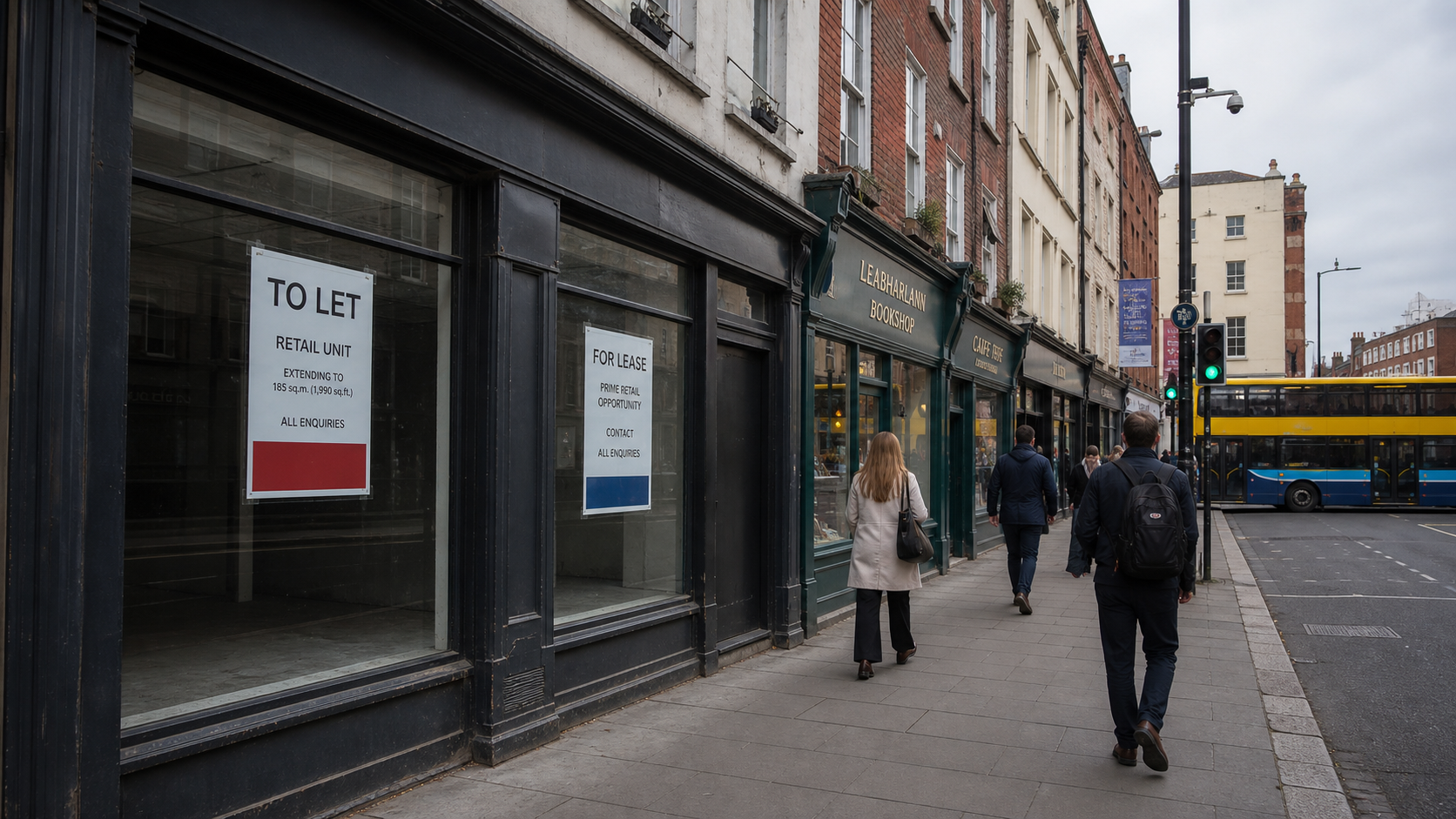
In Dublin, where Harvey Nichols had its primary Irish presence, the closure of the store has left a gap in the luxury retail offering that will be difficult to fill. The store was located in a prime retail location and attracted significant footfall from both domestic shoppers and tourists, and its closure will have a knock-on effect on surrounding businesses. The broader impact on the Dublin retail sector — which has already been affected by the closure of several other major retailers in recent years — is a source of concern for the Dublin Chamber of Commerce and for the city council, which has been working to maintain the vitality of the city centre retail environment.
What's Next
The CCPC has advised affected gift card holders to register as creditors in the Harvey Nichols insolvency proceedings and to seek advice from their credit card companies about potential refunds. The government is expected to publish a review of gift card regulation in the autumn, following pressure from consumer advocates and opposition politicians. The Irish Retail Excellence association is also expected to publish a report on the state of the retail sector in September, which will provide a comprehensive assessment of the challenges facing the industry and recommendations for government action.