Government Defers Triple-Lock Repeal Until Autumn After Fianna Fáil Backbench Revolt
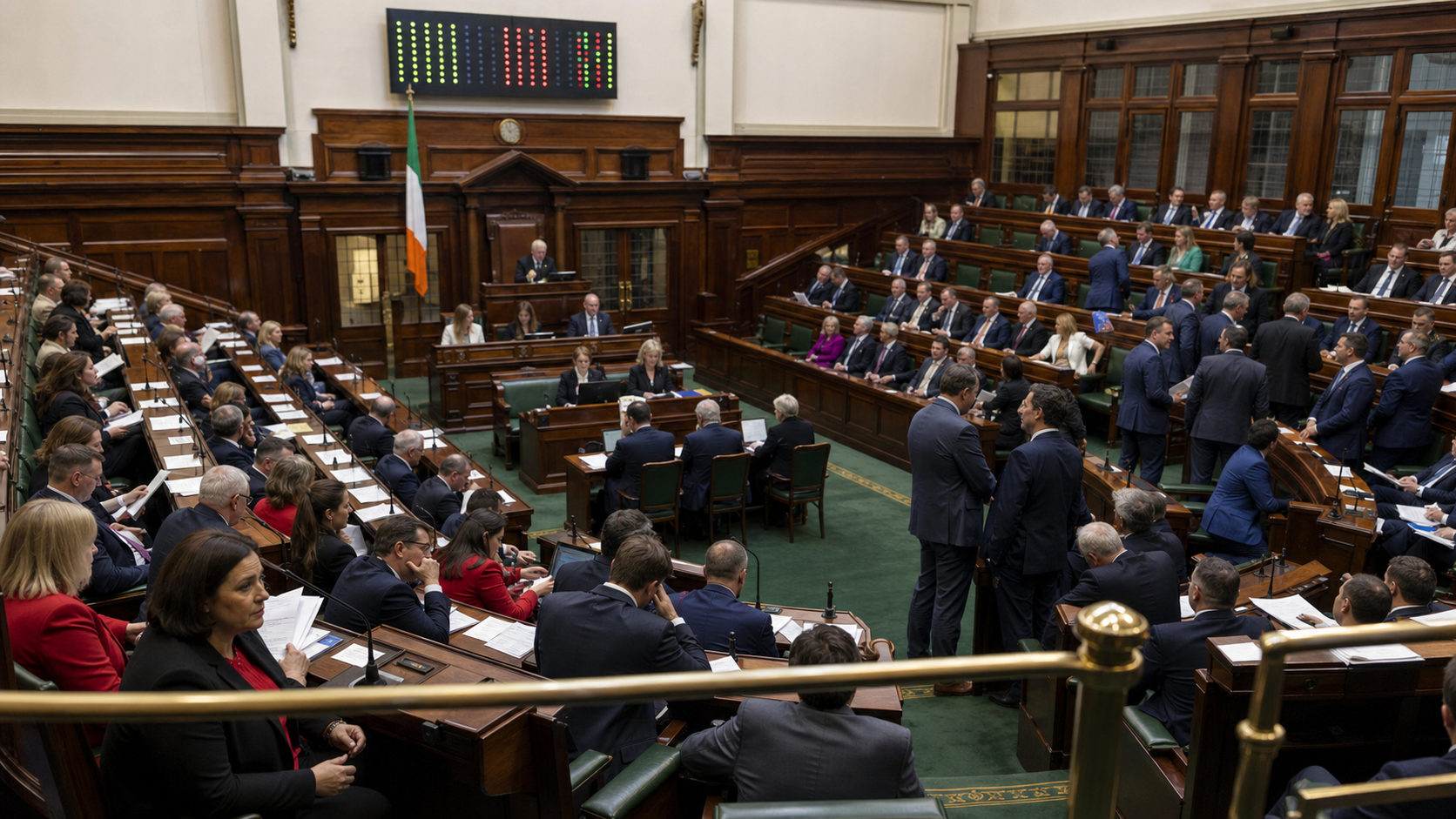
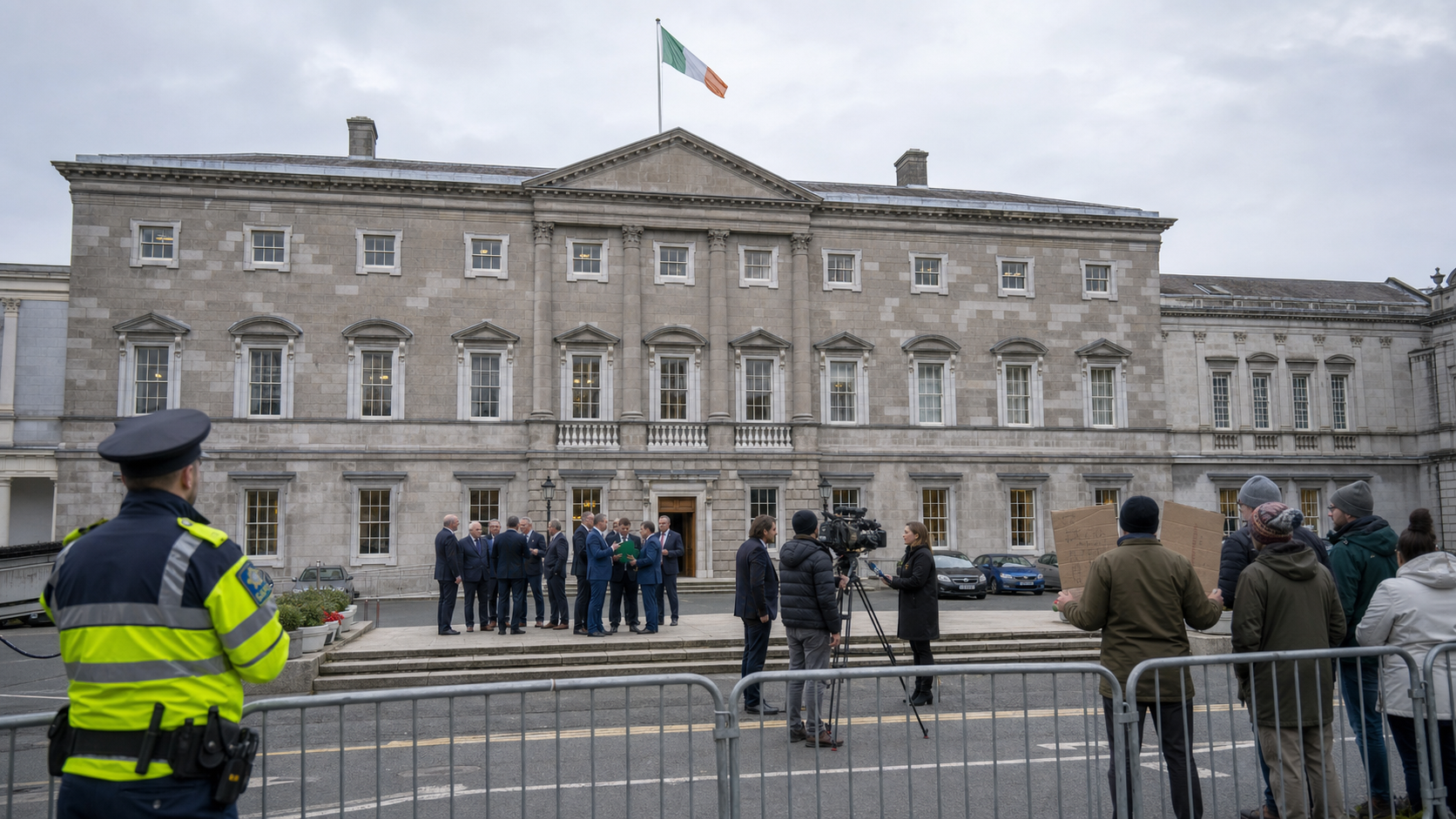
The Irish Government has deferred its plan to repeal the triple-lock mechanism governing overseas military deployments until the autumn Dáil session, after significant internal dissent within Fianna Fáil forced Taoiseach Micheál Martin to acknowledge that the legislation was being advanced without sufficient debate within his own party.
Background
The triple-lock is a mechanism in Irish law that requires three conditions to be met before the Defence Forces can be deployed overseas in missions involving more than 12 personnel: a decision by the Irish government, approval by Dáil Éireann, and a mandate from the United Nations Security Council. The mechanism was introduced in the 1960s as a safeguard for Ireland's policy of military neutrality, ensuring that Irish troops could only be deployed in UN-mandated peacekeeping operations rather than in missions that might be perceived as partisan or politically motivated.
The triple-lock has been a source of ongoing debate in Irish defence policy circles for many years. Critics argue that it gives an effective veto over Irish military deployments to any of the five permanent members of the UN Security Council — including Russia and China — and that this is an inappropriate constraint on Ireland's ability to participate in EU and other multilateral security operations. Supporters of the mechanism argue that it is a fundamental expression of Irish neutrality and that removing it would represent a significant shift in Ireland's foreign and security policy.
The Programme for Government agreed by Fianna Fáil, Fine Gael, and the Green Party in 2025 included a commitment to repeal the triple-lock, replacing it with a mechanism that would allow deployments based on government and Dáil approval alone, without the requirement for a UN Security Council mandate. The Defence (Amendment) Bill 2026 was introduced to give effect to this commitment.
Key Developments
The decision to defer the bill until the autumn came after a significant number of Fianna Fáil backbench TDs expressed concern about the pace at which the legislation was being advanced. Several party members argued that the change — which touches on one of the most sensitive aspects of Irish foreign policy — was being rushed through without adequate debate within the parliamentary party or with the wider public. Some TDs also raised concerns about the timing of the legislation, given the ongoing conflict in Ukraine and the broader debate about European security.
Taoiseach Micheál Martin confirmed the deferral after a meeting of the Fianna Fáil parliamentary party, acknowledging that some members felt the bill needed more time for consideration. He emphasised that the commitment to repeal the triple-lock remained part of the Programme for Government and that the legislation would be brought forward in the autumn. The deferral is not a withdrawal of the bill, but it represents a significant concession to backbench pressure.
The opposition has seized on the deferral as evidence of coalition disarray on a major policy issue. Sinn Féin, which opposes the repeal of the triple-lock on the grounds that it would compromise Irish neutrality, has described the deferral as a victory for those who believe the government is moving too quickly on defence policy. The Social Democrats and People Before Profit have also expressed opposition to the bill, arguing that the repeal of the triple-lock is a step towards Irish involvement in EU military structures that is incompatible with neutrality.
Why It Matters
The triple-lock debate goes to the heart of one of the most fundamental questions in Irish foreign policy: what does neutrality mean in the 21st century, and is the current legal framework fit for purpose? Ireland's neutrality has never been absolute — the country is a member of NATO's Partnership for Peace programme and participates in EU Common Security and Defence Policy missions — but the triple-lock has served as a symbolic and practical expression of the country's non-alignment.
The Russian invasion of Ukraine in 2022 fundamentally changed the European security landscape and has intensified pressure on Ireland to reconsider its defence posture. The EU's increasing emphasis on collective security and defence cooperation — including the European Defence Fund and the Strategic Compass — creates expectations of Irish participation that sit uncomfortably with the triple-lock mechanism. The government's decision to include the repeal in the Programme for Government reflected a judgement that the mechanism had become an obstacle to Ireland's full participation in European security structures.
The backbench revolt within Fianna Fáil suggests that this judgement is not universally shared within the party, and that the political cost of the repeal may be higher than the leadership anticipated. The deferral buys time for a more thorough internal debate, but it also risks allowing the opposition to frame the issue in terms that are unfavourable to the government — as a capitulation to EU pressure on neutrality rather than a considered evolution of Irish defence policy.
Local Impact
The triple-lock debate has particular resonance in constituencies with strong traditions of military service and in communities that have provided personnel to UN peacekeeping missions over the decades. Ireland has a proud history of UN peacekeeping, with Irish troops having served in Lebanon, Cyprus, the Congo, and many other conflict zones since the 1960s. Veterans' organisations and Defence Forces representative bodies have generally supported the repeal of the triple-lock, arguing that it constrains Ireland's ability to contribute to international peace and security.
The debate has also engaged civil society organisations and academic institutions with expertise in international law and security policy. The Irish Institute of International and European Affairs and the Royal Irish Academy have both hosted events on the triple-lock question in recent months, reflecting the breadth of interest in the issue beyond the political sphere. Public opinion polling has shown a divided electorate, with support for the repeal broadly correlated with age and education level.
What's Next
The Defence (Amendment) Bill 2026 is expected to return to the Dáil in September, following the summer recess. The government has indicated it will use the intervening period to engage more extensively with Fianna Fáil backbenchers and to develop a more comprehensive communications strategy around the rationale for the change. A Dáil debate on Irish neutrality and defence policy is expected to be scheduled for the autumn session, providing an opportunity for a broader parliamentary discussion before the bill proceeds. The Joint Oireachtas Committee on Foreign Affairs and Defence is expected to hold hearings on the bill in October.