Gerry Hutch to Recoup Almost All Dublin Central By-Election Costs After Fourth-Place Finish
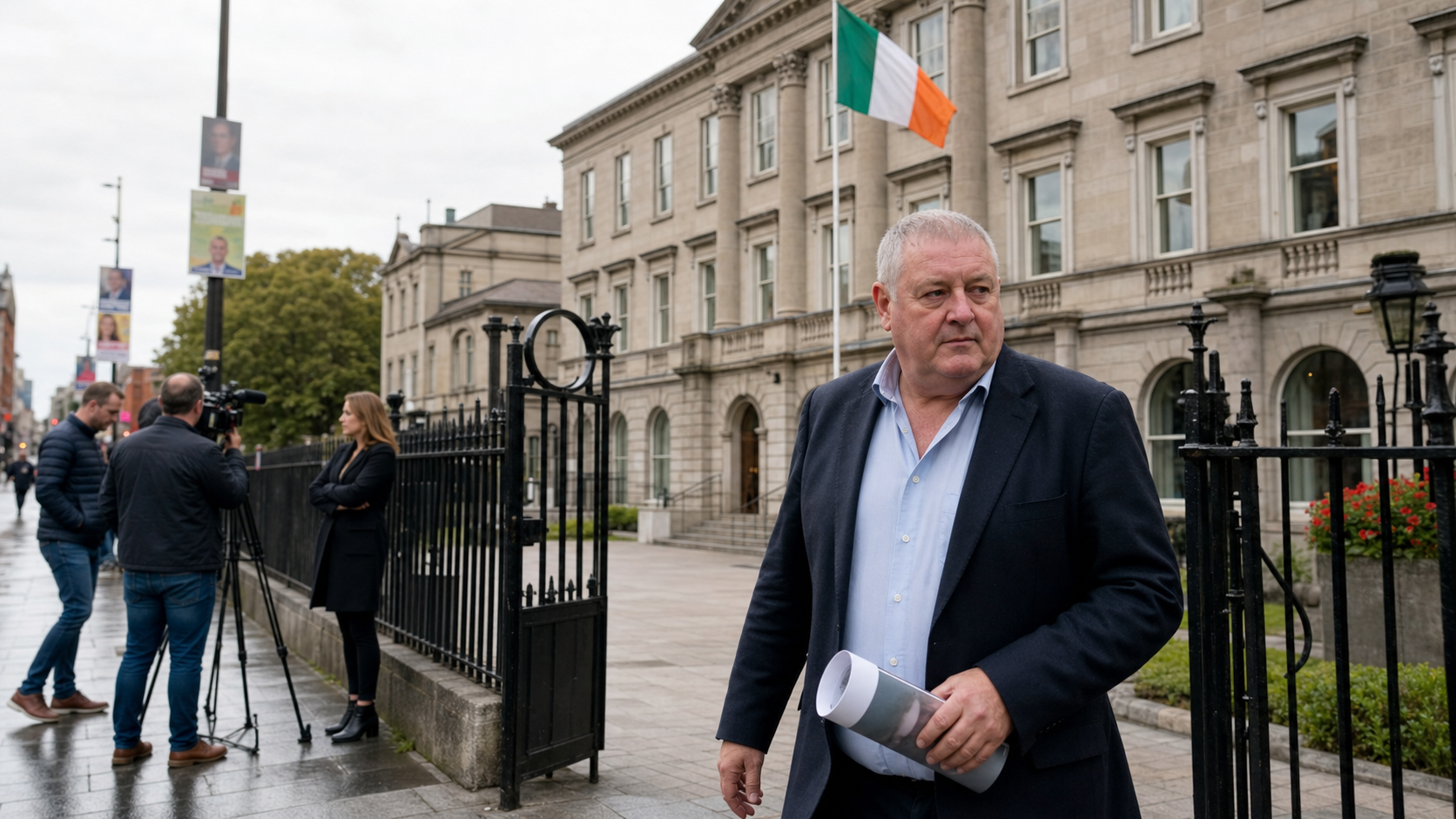
Gerry Hutch, the independent candidate who stood in the Dublin Central by-election in May 2026, is entitled to recoup almost all of his campaign expenses under the standard provisions of Irish electoral law, despite finishing fourth with 11.3% of first-preference votes — a development that has prompted renewed debate about the rules governing the reimbursement of election costs and the broader question of who should be entitled to public funding for political campaigns.
Background
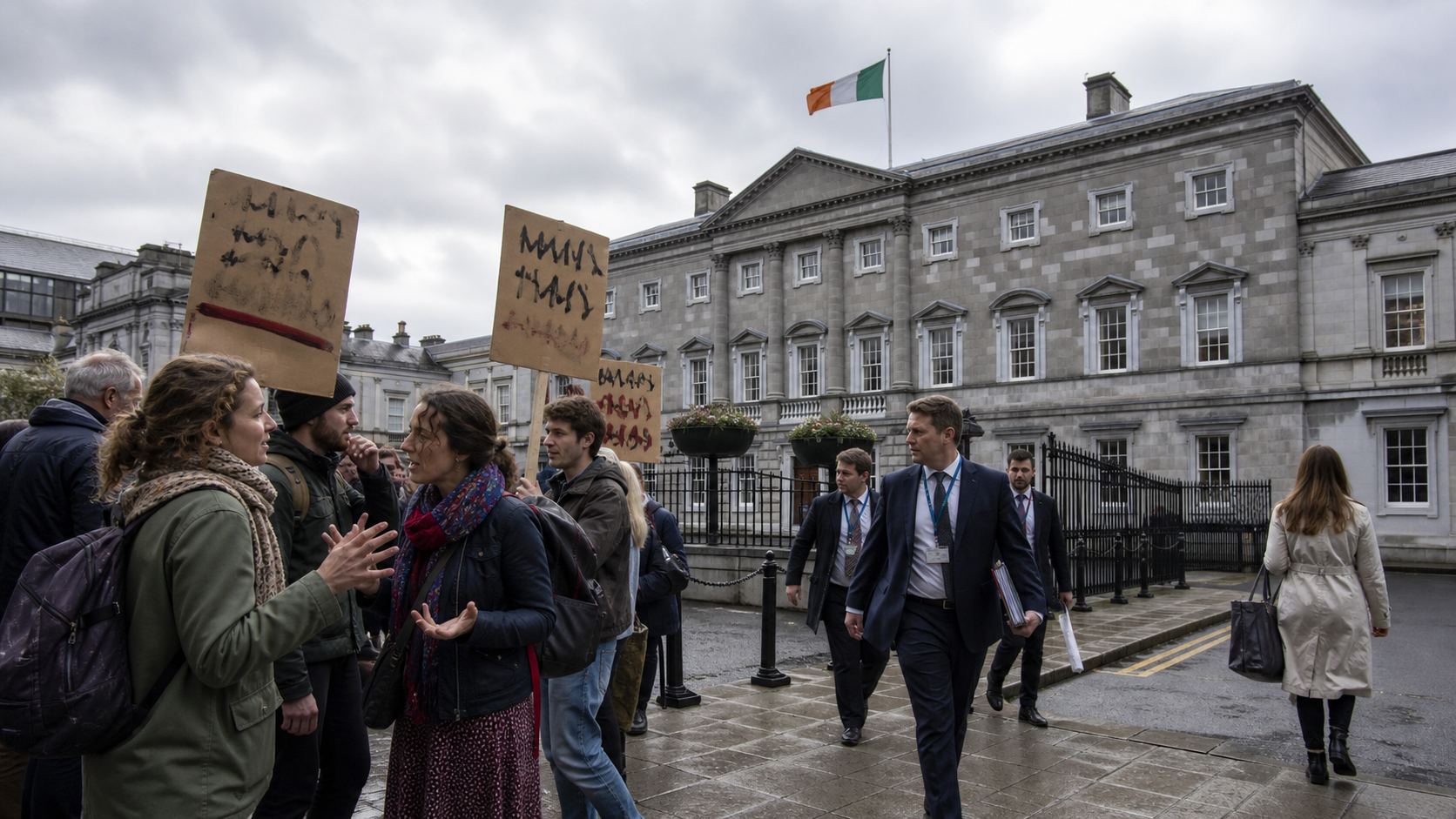
The Dublin Central by-election was held on 22 May 2026 to fill the Dáil vacancy created by the resignation of Fine Gael TD Paschal Donohoe. The constituency, which covers the north inner city of Dublin and parts of the city centre, has a complex political history and a diverse electorate that includes some of the most deprived communities in the country alongside rapidly gentrifying areas.
Gerry Hutch's decision to stand as an independent candidate attracted enormous media attention. Hutch, who was acquitted of the murder of David Byrne at the Regency Hotel in 2016 following a lengthy trial, has been described by gardaí as a figure associated with organised crime, though he has consistently denied any involvement in criminal activity. His candidacy was controversial from the outset, with some community groups welcoming his engagement with local issues and others expressing strong opposition to his participation in the democratic process.
The by-election was won by Daniel Ennis of the Social Democrats, with Hutch finishing fourth on 11.3% of first-preference votes — a result that, while not sufficient to win a seat, was above the threshold required to qualify for reimbursement of election expenses under the Electoral Act.
Key Developments
Under Irish electoral law, candidates who reach a qualifying threshold of votes — set at a proportion of the quota — are entitled to reimbursement of their election expenses up to a maximum of €11,200. Hutch's vote share of 11.3% placed him comfortably above this threshold, meaning he is entitled to recoup almost all of the costs associated with his campaign, including canvassing materials, posters, and staff costs.
The Irish Times reported on Friday that Hutch would receive the reimbursement, a development that has prompted criticism from some quarters. Critics argue that the reimbursement rules, which were designed to support democratic participation and reduce the financial barriers to standing for election, were not intended to benefit candidates with the profile and associations of Hutch. Supporters of the current rules counter that the law must apply equally to all candidates who meet the qualifying criteria, regardless of their background or the controversy surrounding their candidacy.
The Department of Housing, Local Government and Heritage, which administers election expenses reimbursements, confirmed that the payment would be processed in accordance with the standard procedures.
Why It Matters
The Hutch reimbursement raises important questions about the design of Ireland's election expenses regime. The rules were created with the laudable aim of ensuring that financial barriers do not prevent ordinary citizens from participating in democracy. But the application of those rules to a candidate whose background is as controversial as Hutch's exposes a tension between the principle of equal treatment and the public interest in ensuring that state funds are not used to support campaigns that a significant portion of the electorate finds objectionable.
The broader question of how Irish electoral law should handle candidates with criminal associations — or, in Hutch's case, associations that have been the subject of extensive garda investigation even in the absence of conviction — is one that the Oireachtas has not yet addressed directly. The Dublin Central by-election has brought it into sharp focus.
Local Impact
In Dublin's north inner city, where the Kinahan-Hutch feud claimed multiple lives and left communities traumatised, the news of Hutch's reimbursement has been received with mixed feelings. Some residents who supported his candidacy as a voice for the community welcomed the development; others, including families of those killed in the feud, expressed anger at the prospect of public money being used to reimburse his campaign costs. The Social Democrats' Daniel Ennis, who won the seat, has called for a review of the reimbursement rules to address the issues raised by the Hutch candidacy.
What's Next
The reimbursement will be processed by the Department of Housing, Local Government and Heritage in the coming weeks. The broader question of whether the electoral expenses rules require reform is likely to be raised in the Dáil when it returns from its summer recess in September. The Electoral Commission, which has a mandate to review and make recommendations on electoral law, may also be asked to examine the issue. Any legislative changes would need to be carefully designed to avoid creating rules that could be used to exclude legitimate candidates from the democratic process.