Galway International Arts Festival Opens to Acclaim as City Becomes Cultural Capital of the Summer
The Galway International Arts Festival has opened its doors to widespread critical and public acclaim, transforming the city on the western seaboard into Ireland's undisputed cultural capital for the summer with a multidisciplinary programme of theatre, music, and visual arts that spans venues across the city — while the concurrent Galway Film Fleadh adds a cinematic dimension to what is shaping up to be one of the most vibrant cultural seasons in the festival's distinguished history.
Background
The Galway International Arts Festival has been one of the cornerstones of Ireland's cultural calendar for more than four decades, establishing itself as one of the most important arts festivals in Europe and a defining expression of Galway's identity as a city of culture and creativity. The festival has a tradition of commissioning and presenting ambitious, innovative work that challenges and inspires audiences, and it has been the launching pad for some of the most significant Irish and international artistic projects of recent decades.
The festival's relationship with the city of Galway is symbiotic and profound. The festival transforms the city's streets, squares, and venues into a living cultural landscape, bringing together artists, audiences, and communities in a celebration of creativity that is unlike anything else in the Irish cultural calendar. The economic impact of the festival on Galway is substantial, with the influx of visitors generating significant revenue for hotels, restaurants, shops, and the broader hospitality sector, and the festival's international profile contributing to Galway's reputation as a destination for cultural tourism.
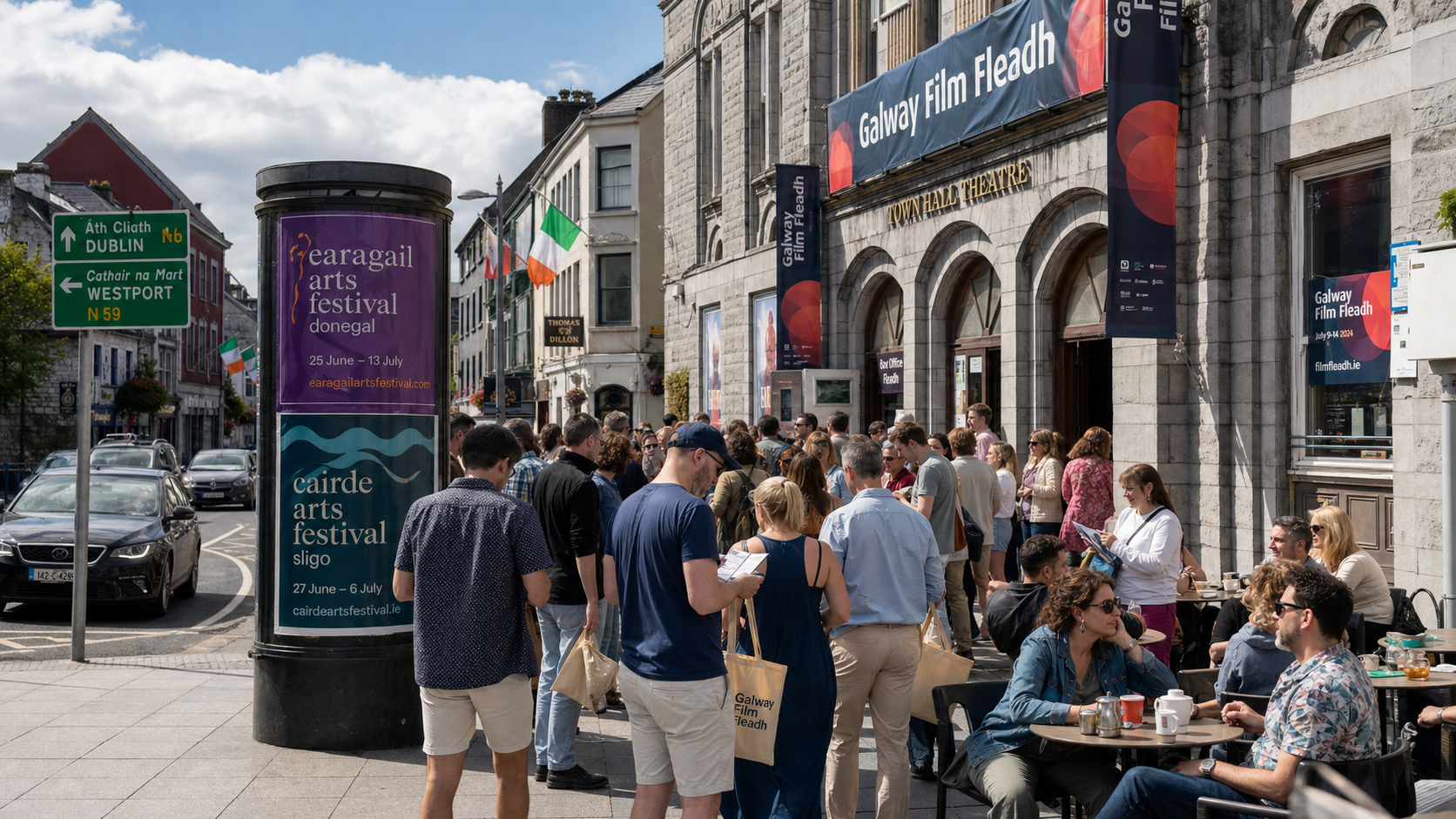
The Galway Film Fleadh, which runs concurrently with the arts festival, has its own distinguished history as one of Ireland's most important film festivals, providing a platform for new Irish and international cinema and serving as a key event in the Irish film industry's calendar. The combination of the two festivals makes Galway in July one of the most culturally rich destinations in Europe, attracting artists, filmmakers, critics, and audiences from across the continent and beyond.
Key Developments
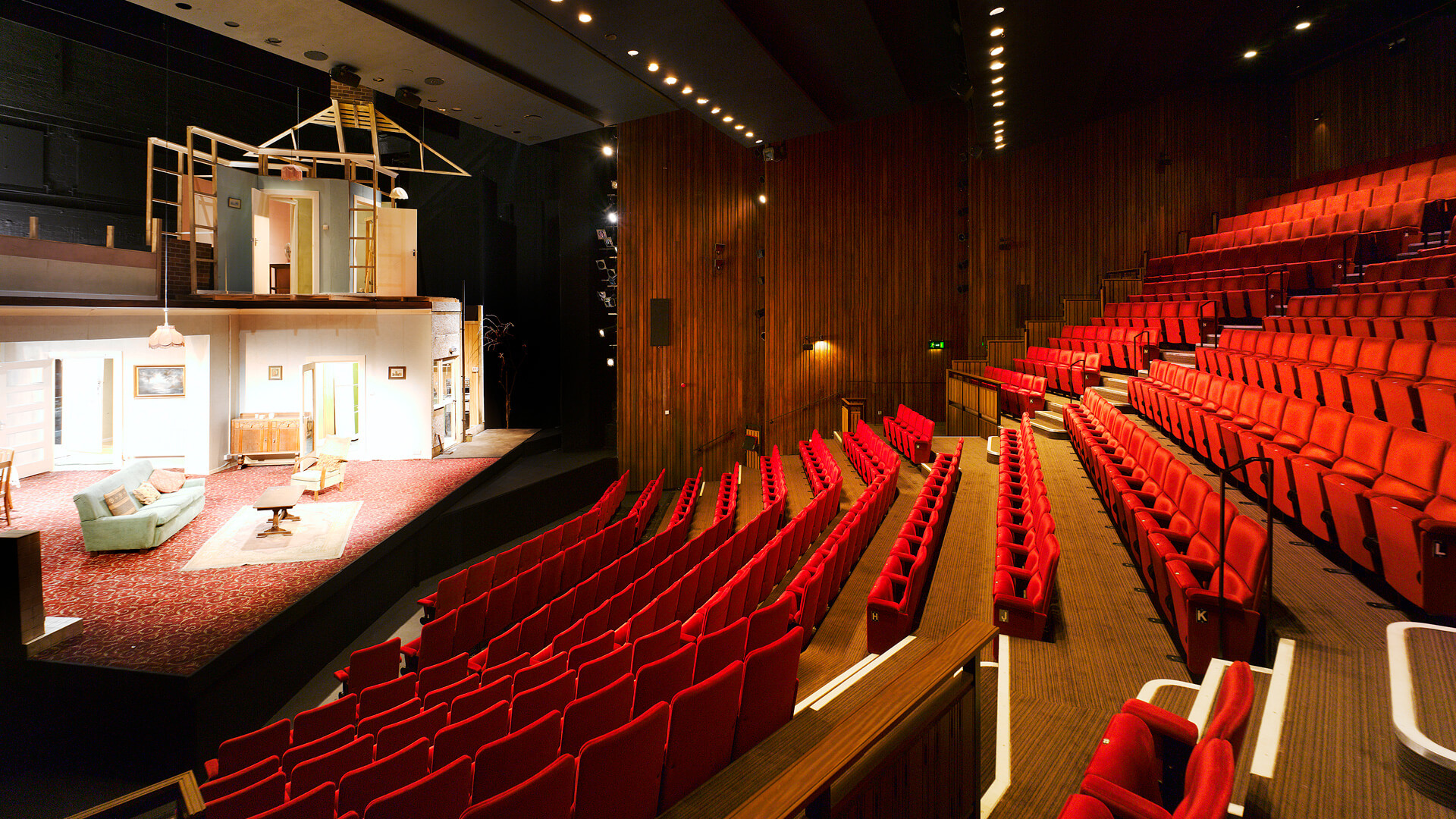
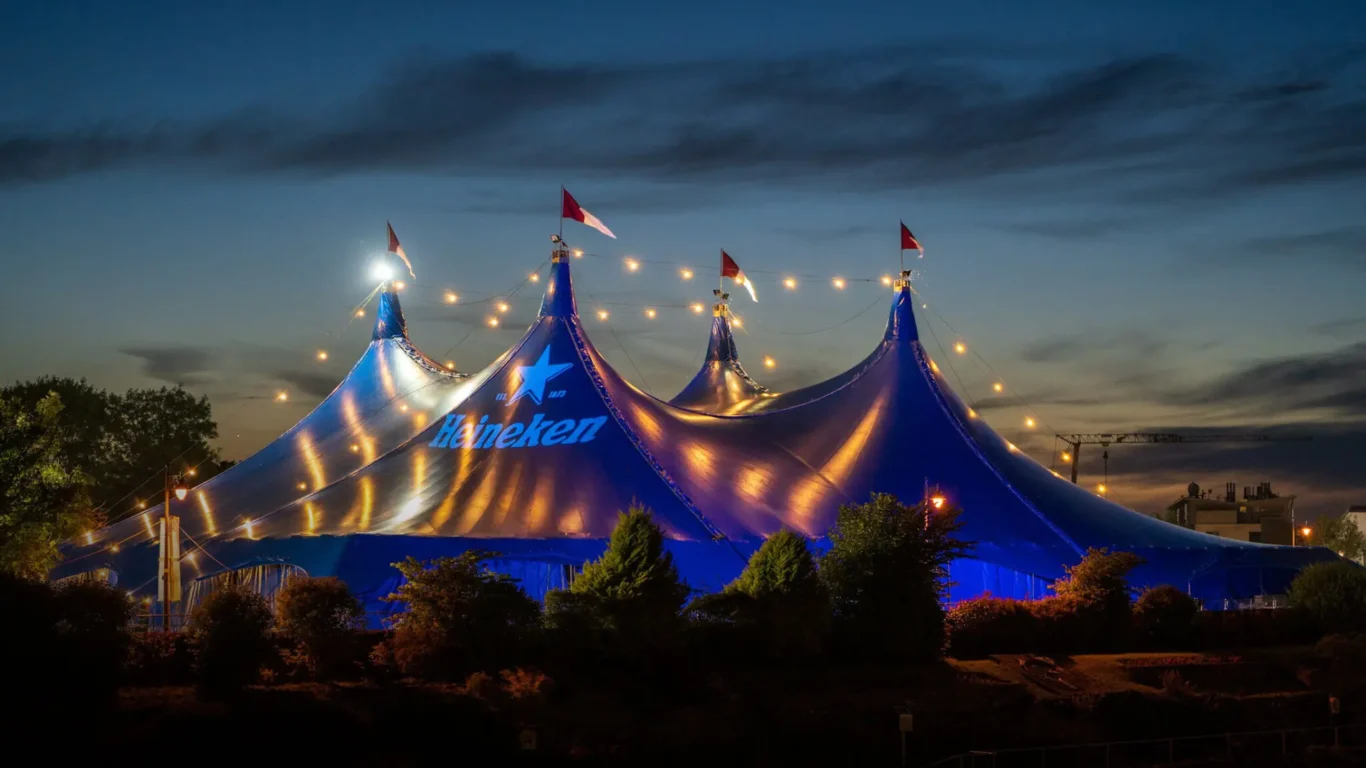
The 2026 edition of the Galway International Arts Festival has been described by its artistic director as one of the most ambitious programmes in the festival's history, featuring a range of world premieres, international co-productions, and site-specific works that take full advantage of Galway's unique urban landscape. The programme spans theatre, dance, music, visual arts, and street performance, with events taking place at venues across the city from the Big Top on the Fisheries Field to the Black Box Theatre, the Town Hall Theatre, and a range of outdoor locations in the city centre.
The Cairde Sligo Arts Festival is also active during this period, featuring performances such as the Junk Ensemble's dance piece Storm 1.0, adding to the sense that the west of Ireland is experiencing a particularly rich cultural moment. Other ongoing events include the Clonmel Junction Arts Festival and the Comeragh's Wild Festival in Waterford, creating a network of cultural activity that extends across the province of Connacht and into Munster.
The Galway Film Fleadh has opened with a strong programme of Irish and international films, including a number of world premieres and Irish premieres that have generated significant critical attention. The festival's industry programme, which brings together filmmakers, producers, distributors, and financiers from across the Irish and international film industry, has been particularly well attended, reflecting the growing confidence and ambition of the Irish film sector.
Why It Matters
The Galway International Arts Festival matters because it is one of the most powerful expressions of Ireland's cultural identity and creative ambition. In a country that has produced some of the world's greatest writers, musicians, and artists, the festival provides a platform for the continuation and renewal of that tradition, bringing together the best of Irish and international creativity in a setting that is itself one of the most culturally rich in Europe. The festival also matters economically, generating significant revenue for Galway and the surrounding region and demonstrating the value of investment in culture and the arts as a driver of tourism and economic activity. For the artists who perform and exhibit at the festival, it provides an opportunity to reach new audiences and to develop their work in dialogue with some of the most demanding and engaged audiences in the world.
Local Impact
The impact of the festival on Galway city and county is profound and multifaceted. In the city centre, the festival transforms the streets and public spaces, creating a sense of energy and excitement that is palpable to anyone who visits during the festival period. Hotels and guesthouses across the city and county are fully booked, restaurants are operating at capacity, and the city's pubs and music venues are buzzing with the conversations and connections that the festival generates. For local artists and cultural organisations, the festival provides opportunities for collaboration, exposure, and professional development that are not available at any other time of year. The festival's education and community programme also ensures that the benefits of the event extend beyond the paying audience to include schools, community groups, and individuals who might not otherwise have access to high-quality arts experiences.
What's Next
The Galway International Arts Festival will run for the next two weeks, with a packed programme of events scheduled across the city. The festival's closing weekend is expected to be particularly busy, with a range of special events and performances planned to mark the conclusion of what promises to be a memorable edition. The Galway Film Fleadh will conclude slightly earlier, with its awards ceremony expected to take place in the coming days. The festival organisers will begin planning for the 2027 edition immediately after the close of this year's event, with the commissioning of new work and the development of international partnerships already underway. The Arts Council of Ireland, which provides significant funding support for the festival, will conduct its annual review of the event's impact and outcomes in the autumn.