Ireland's Summer Festival Season Hits Its Stride with Events from Galway to Donegal
July 2026 is shaping up to be one of the richest months in Ireland's cultural calendar, with a packed schedule of festivals spanning film, music, seafood, and the arts stretching from Galway to Donegal, from Wexford to Wicklow — a collective celebration of Irish creativity and community that is drawing strong advance bookings from domestic and international visitors and generating significant economic activity in regional towns and cities across the country.
Background
Ireland's festival culture has grown enormously over the past two decades, transforming from a relatively modest collection of traditional music and arts events into a diverse and internationally recognised circuit of cultural gatherings that attracts visitors from across the world. The growth of the festival sector has been driven by a combination of factors: increased public investment in the arts, the development of Ireland's tourism infrastructure, the growing international profile of Irish culture — particularly in film, music, and literature — and the entrepreneurial energy of the communities and organisations that have built festivals from the ground up.
The economic significance of the festival sector is substantial. A major festival can generate millions of euros in economic activity for the host town or region, supporting hotels, restaurants, transport providers, and a wide range of local businesses. For smaller towns and rural areas, a well-established festival can be the most important economic event of the year, attracting visitors who would not otherwise travel to the area and creating a platform for local businesses to showcase their products and services.
The summer of 2026 has been particularly anticipated by festival organisers and cultural bodies, following several years in which events were disrupted or cancelled due to the pandemic and its aftermath. The return to a full festival calendar has been welcomed across the sector, and the strong advance bookings reported by many events suggest that public appetite for live cultural experiences remains as strong as ever.
Key Developments
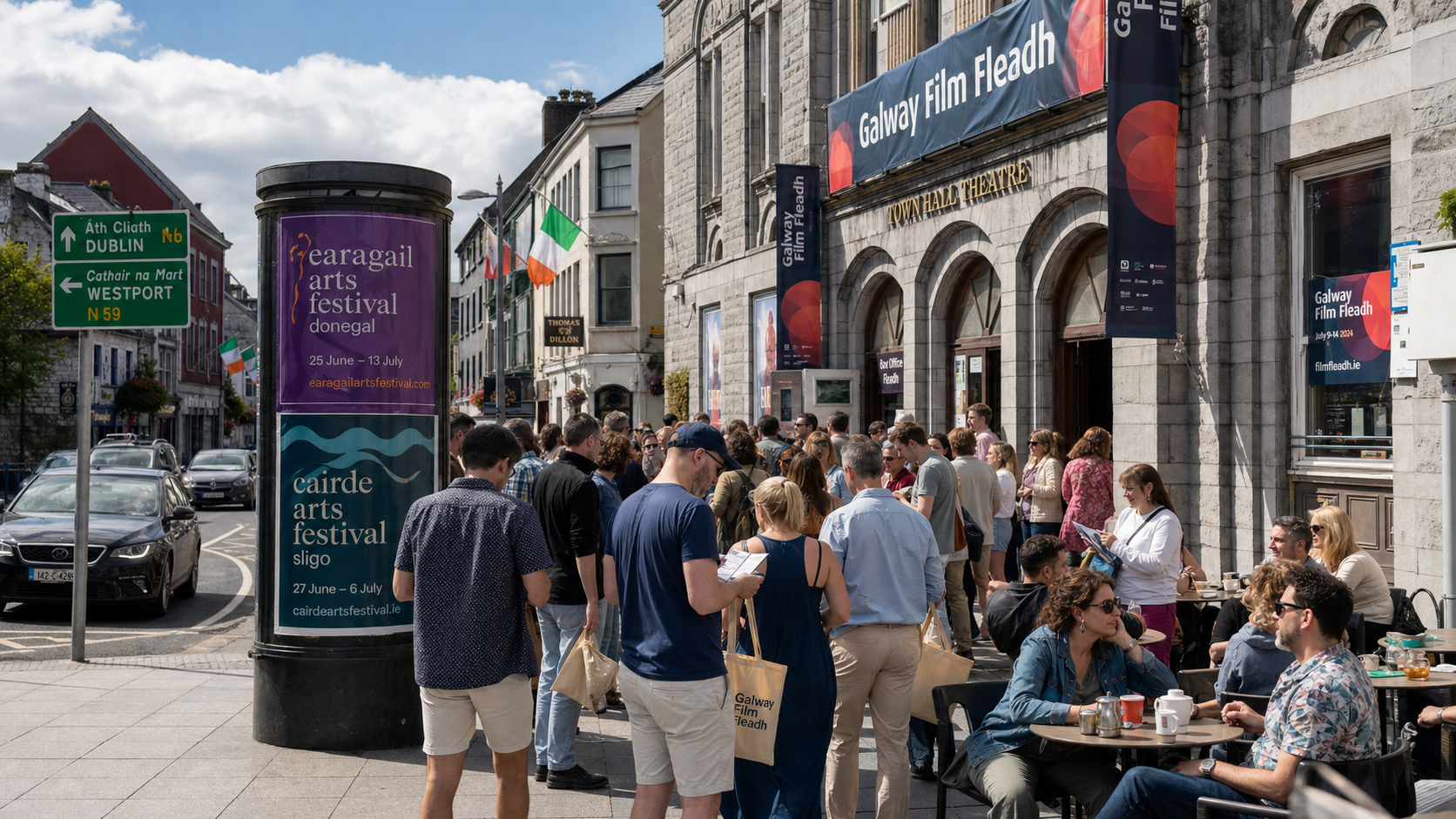
The Galway Film Fleadh, which runs from July 7 to 12, is one of the most prestigious film festivals in Ireland and has a strong international reputation for showcasing new Irish and international cinema. This year's programme includes a strong selection of Irish features and short films, alongside international premieres and retrospective screenings. The Fleadh's industry programme — which brings together filmmakers, producers, and distributors from across the world — has been expanded for 2026, reflecting the growing international interest in Irish film production.
The Cairde Arts Festival in Sligo, which celebrates the cultural heritage of the north-west, is running a programme that includes visual art, music, theatre, and literature events across the town and county. The festival has a particular focus on the legacy of W.B. Yeats — who is buried in Drumcliff, County Sligo — and this year's programme includes a major exhibition marking the centenary of Yeats's Nobel Prize acceptance speech.
The Earagail Arts Festival in Donegal, which is one of the largest arts festivals in the north-west, is running a programme that spans traditional music, contemporary art, theatre, and outdoor events across the county. The festival has a particular strength in showcasing the cultural traditions of the Donegal Gaeltacht, and this year's programme includes several events in the Irish language. The Kilmore Quay Seafood Festival in County Wexford, the Boyle Arts Festival in County Roscommon, and the Bray Air Display in County Wicklow round out a July calendar that offers something for every taste and interest.
Why It Matters
Ireland's festival culture is not simply an entertainment industry; it is a vital component of the country's cultural identity and its international reputation. The festivals that have grown up across the country — from the Galway Arts Festival to the Fleadh Cheoil, from the Kilkenny Arts Festival to the West Cork Literary Festival — have become part of the fabric of Irish life, shaping how communities understand themselves and how the world understands Ireland.
The economic case for festivals is well established, but the cultural case is equally important. Festivals create spaces where artists can take risks, where audiences can encounter work they would not otherwise see, and where communities can come together around shared experiences of creativity and celebration. In an era when so much cultural consumption is mediated through screens and algorithms, the live, communal experience of a festival has a particular value that is difficult to replicate in any other format.
The international dimension of Ireland's festival culture is also significant. Events like the Galway Film Fleadh and the Galway International Arts Festival attract visitors, artists, and industry professionals from across the world, creating connections and collaborations that benefit Irish culture far beyond the duration of the festival itself. The reputation that Ireland has built as a festival destination is a genuine cultural asset that supports the country's broader tourism and creative industries.
Local Impact
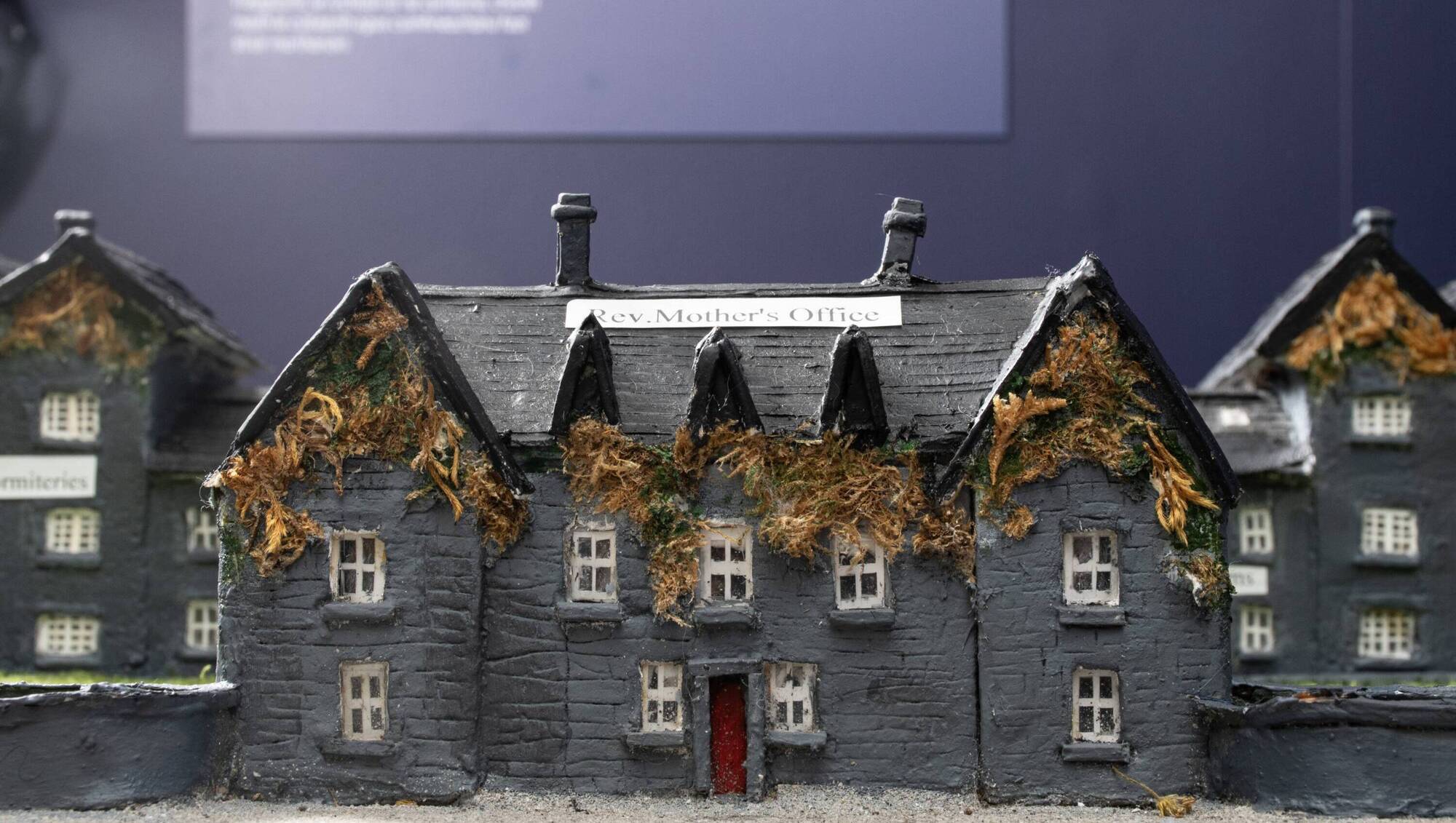
In Galway, the combination of the Film Fleadh, the Galway International Arts Festival (which runs later in July), and the Tuam Survivor Stories exhibition at the City Museum makes July 2026 one of the most culturally significant months in the city's recent history. Hotels and guesthouses across the city are reporting strong bookings, and the city's restaurants, bars, and cultural venues are preparing for a significant increase in footfall. The Galway City Council has been working with festival organisers and the tourism sector to ensure that the city's infrastructure can accommodate the expected increase in visitor numbers.
In Sligo, Donegal, Wexford, and Wicklow, the festivals are the most important cultural events of the year, and their economic impact is felt across the local economy. Festival directors in these regions have spoken about the importance of public funding — from the Arts Council, Fáilte Ireland, and local authorities — in sustaining events that might not be commercially viable on their own but that deliver enormous cultural and economic value to their communities.
What's Next
The summer festival season continues through July and August, with the Galway International Arts Festival (July 14-27), the Fleadh Cheoil na hÉireann in Belfast (August), and a range of other events across the country. The Arts Council is expected to publish its annual review of the festival sector later in the year, providing a comprehensive assessment of the economic and cultural impact of Ireland's festival calendar. Fáilte Ireland has also indicated that it will be investing in the promotion of Ireland's festival culture to international audiences, with a particular focus on the North American and European markets.