Galway City Museum Opens Ireland's First Exhibition Dedicated to a Mother and Baby Home
Galway City Museum opened its doors on Tuesday, July 1, to Survivor Stories: Tuam and Ireland's Institutional Past — the first museum exhibition in Ireland dedicated to the history of a mother and baby home — in a landmark cultural moment that places the voices and experiences of 18 survivors of the Tuam institution at the centre of a national conversation about memory, justice, and the role of cultural institutions in confronting difficult histories.
Background
The relationship between Irish cultural institutions and the country's difficult institutional past has been a subject of growing debate in recent years. Museums, galleries, and archives have been grappling with the question of how to engage with histories that were, for decades, suppressed, denied, or simply ignored — histories of the mother and baby homes, the Magdalene laundries, the industrial schools, and the other institutions through which the Irish state and the Catholic Church exercised control over the lives of vulnerable people.
The Galway City Museum, which is located in the Spanish Arch area of the city and is one of the most visited cultural institutions in the west of Ireland, has been developing its approach to this challenge for several years. The decision to partner with the University of Galway on the Tuam exhibition reflects a recognition that the museum's role is not simply to display objects and tell stories, but to create spaces where communities can engage with their own histories in ways that are meaningful, respectful, and transformative.
The exhibition draws on the oral history project led by Dr Sarah-Anne Buckley of the University of Galway, who spent several years gathering testimonies from survivors of the Tuam home and working with them to ensure that the exhibition reflected their own understanding of their experiences. The involvement of historian Catherine Corless — whose meticulous archival research first brought the scale of the Tuam tragedy to public attention — adds a further layer of historical authority to the project.
Key Developments
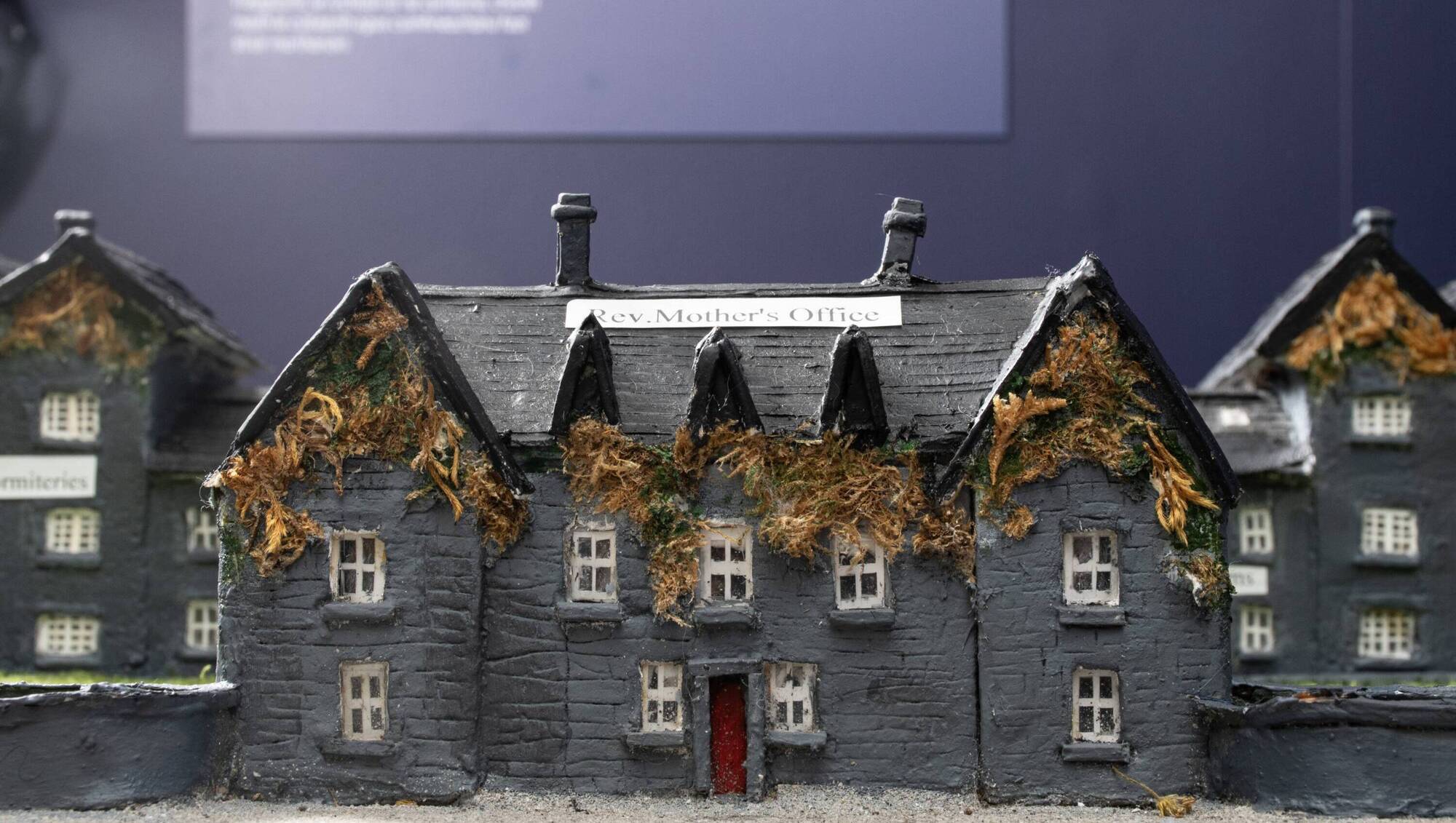
The exhibition, which runs until September 2026, is structured around the personal testimonies of 18 survivors who spent time in the Tuam home or were born there. Each survivor's story is presented through a combination of oral history recordings, personal photographs, and artefacts — items that were often the only material evidence of lives that the institutional system sought to erase. The effect is deeply personal and deeply moving: a collection of individual stories that together constitute a powerful collective testimony to the human cost of institutional Ireland.
The exhibition is accompanied by a podcast series, which will make the survivor testimonies accessible to a global audience, and a programme of public workshops and events that will run throughout the summer. The workshops are designed to create spaces for community engagement with the themes of the exhibition — memory, justice, institutional accountability, and the ongoing process of reckoning with Ireland's past.
The University of Galway has indicated that the oral history archive gathered for the project will be preserved and made available to researchers, ensuring that the testimonies of the 18 survivors who contributed to the exhibition will be accessible to future generations of historians and students. This archival dimension of the project is particularly important given the age of many of the survivors and the urgency of gathering their testimonies before they are lost.
Why It Matters
The opening of the Tuam exhibition is a significant moment in the evolution of Irish cultural institutions' engagement with the country's difficult past. For too long, the stories of the women and children who passed through institutions like the Tuam home were absent from the official cultural record — not because they were unknown, but because they were uncomfortable, because they implicated powerful institutions, and because the people whose stories they were had been systematically denied the power to tell them.
The exhibition represents a different approach: one that places survivors at the centre of the narrative, that treats their testimonies as the primary historical source, and that creates a public space where their experiences can be acknowledged, honoured, and engaged with by the broader community. This is not simply a matter of historical justice — though it is that — it is also a model for how cultural institutions can contribute to the process of social healing that Ireland needs as it continues to reckon with its institutional past.
The exhibition also arrives at a moment when the physical work of identifying and reinterring the remains of children found at the Tuam site is still ongoing. The cultural and the forensic dimensions of the Tuam story are proceeding in parallel, and the museum exhibition provides a form of recognition and remembrance that the slow machinery of official processes has not yet fully delivered.
Local Impact
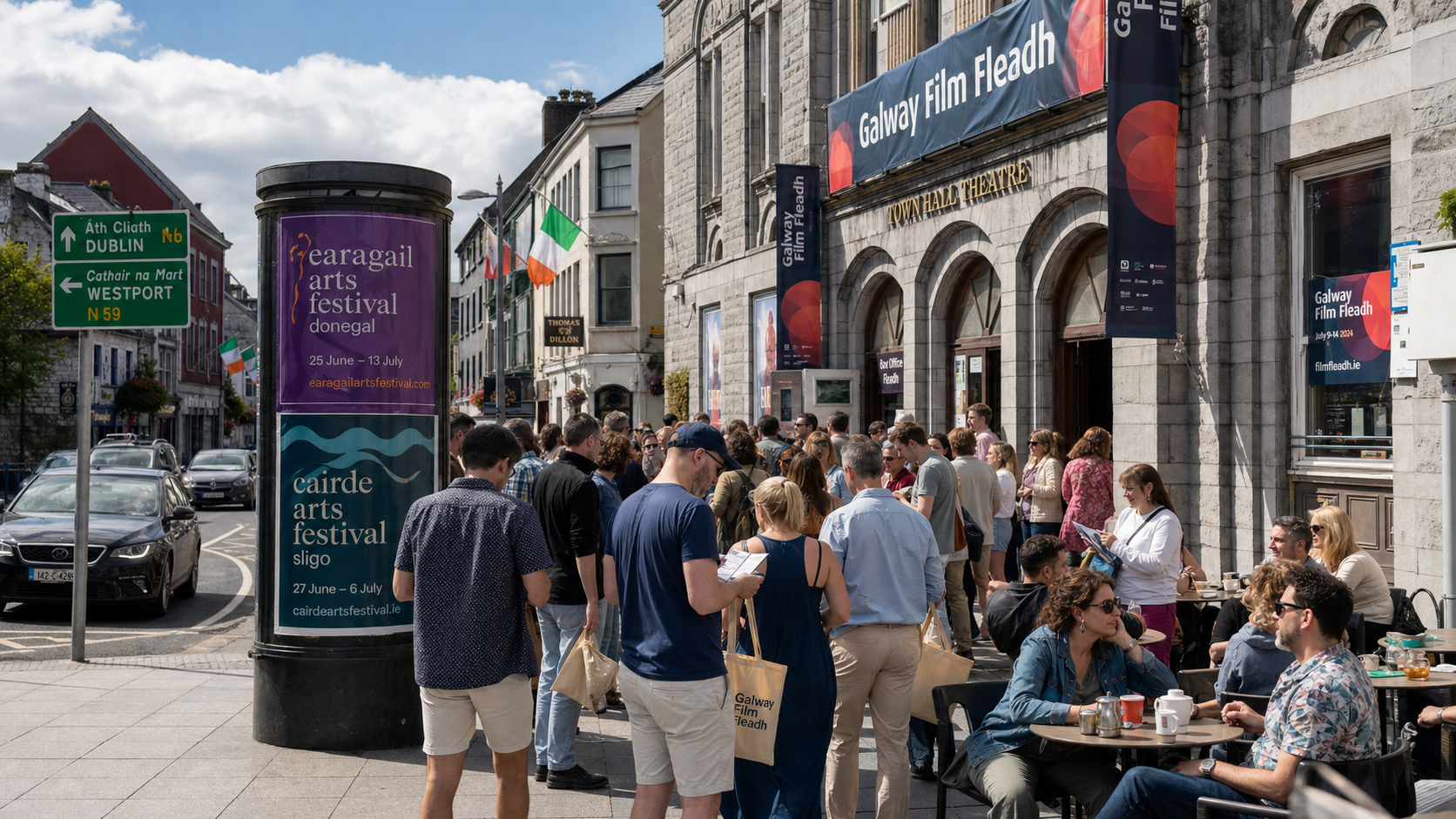
For Galway city, the exhibition is a significant addition to the cultural landscape of the summer season. The Galway City Museum is already a focal point for visitors and residents, and the Tuam exhibition is expected to draw significant footfall from across the country and from the Irish diaspora. The exhibition opens during the same summer as the Galway Film Fleadh and the Galway International Arts Festival, making July 2026 one of the richest cultural months in the city's recent history.
For the survivors who contributed to the exhibition — many of whom are elderly and have spent decades seeking recognition — the opening is a deeply personal moment. Several have travelled from England and further afield to attend the opening, making the journey back to Galway to see their own stories told in their own words. Local community groups and advocacy organisations have welcomed the exhibition as a model for how cultural institutions can engage meaningfully with difficult histories and give voice to those who have been silenced.
What's Next
The exhibition runs at Galway City Museum until September 2026, with a programme of public workshops and events scheduled throughout the summer. The accompanying podcast series will be released in episodes over the coming weeks. The University of Galway has indicated that it is exploring the possibility of touring the exhibition to other venues in Ireland and internationally, making the survivor testimonies accessible to a wider audience. The museum is also in discussions with the National Museum of Ireland about a potential collaboration on a broader exhibition addressing the history of Ireland's institutional past.