GAA World Games Bring 2,000 Athletes from 30 Nations to Waterford in Celebration of Gaelic Sport
Waterford is alive with the sound of sliotars and the thunder of boots on grass this week as the 2026 GAA World Games transform the grounds of the South East Technological University into a global festival of Gaelic sport, drawing more than 2,000 participants from over 30 countries in what organisers are calling the most diverse edition of the triennial event to date.
Background
The GAA World Games, held every three years, began as a modest gathering of diaspora clubs in the early 2000s and have grown into one of the most remarkable showcases of Irish cultural export in the sporting world. The event brings together clubs from every corner of the globe — from the well-established North American and Australian circuits to newer outposts in South America, sub-Saharan Africa, and East Asia — to compete in hurling, camogie, and Gaelic football.
Waterford was selected as the 2026 host city in recognition of its deep hurling heritage and the capacity of SETU's facilities to accommodate the scale of the event. The Déise county has long been synonymous with the ancient game, and local volunteers have been working for months to ensure the logistics of hosting dozens of international teams run smoothly. The city's hotels, restaurants, and transport links have been stretched to capacity, with the economic boost to the region estimated to be substantial.
The growth of Gaelic games internationally has been one of the quiet success stories of Irish cultural diplomacy over the past two decades. GAA clubs now operate in more than 80 countries, and the association's overseas units have become important social anchors for Irish diaspora communities as well as genuine recruitment grounds for local players who have fallen in love with the games through friendship, curiosity, or chance.
Key Developments
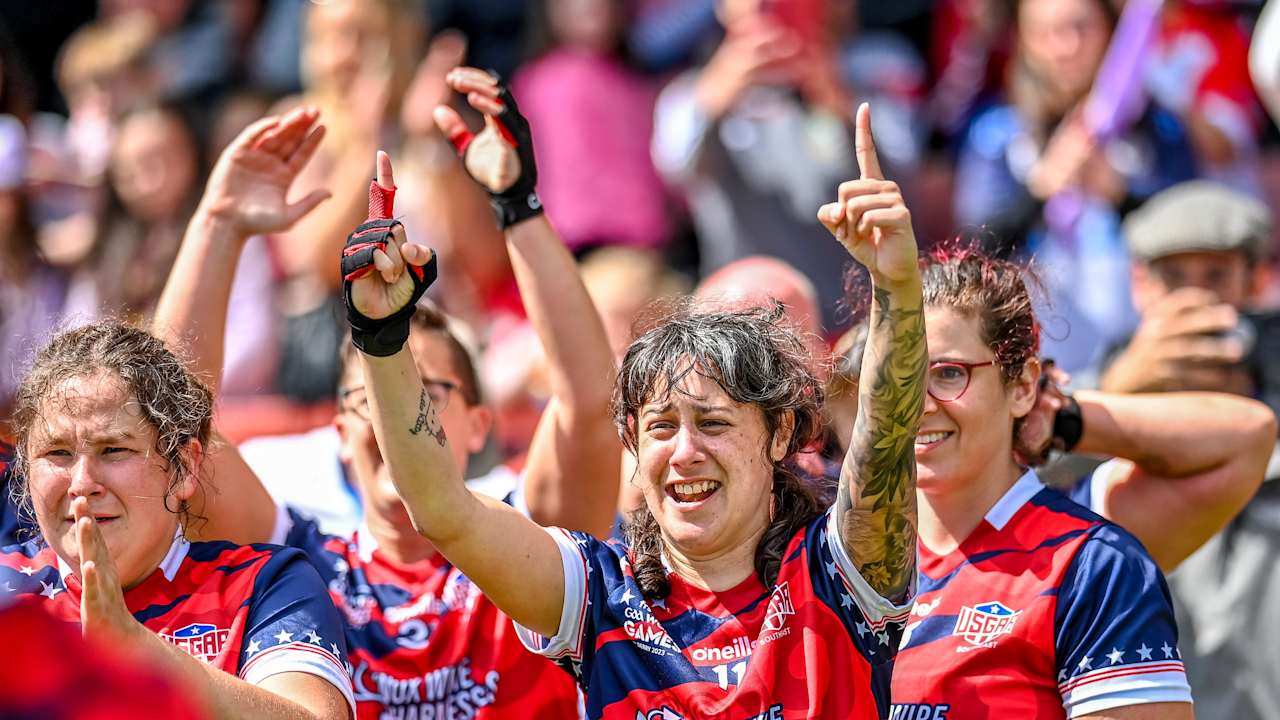
The headline statistic from this year's games is striking: approximately 80 per cent of the 2,000-plus athletes competing were born outside of Ireland. That figure represents a fundamental shift in the character of the event, which was once dominated by Irish emigrants and their immediate descendants. Today, the World Games are as much about the global spread of Gaelic culture as they are about the diaspora maintaining a connection to home.
Among the standout stories of the 2026 edition is the Sables Shamrocks from Zambia, a team that has captured the imagination of spectators and media alike. The club, founded by Irish missionaries and development workers in Lusaka, has grown into a thriving community organisation that uses Gaelic football as a vehicle for youth development and social cohesion. Their presence in Waterford has been one of the talking points of the week.
Over 100 teams are competing across the various codes and age groups, with fixtures running from early morning until evening across multiple pitches. The atmosphere on the SETU campus has been described by participants as electric — a genuine melting pot of languages, jerseys, and traditions united by a shared enthusiasm for games that originated in the fields of rural Ireland centuries ago.
Why It Matters
The GAA World Games matter for reasons that go well beyond sport. They represent a living demonstration of Ireland's soft power — the capacity of a small island nation to project its culture, values, and identity across the globe through something as elemental as a game. At a time when Ireland's international reputation is shaped by technology multinationals and pharmaceutical exports, the World Games offer a reminder that the country's most enduring export may be its culture.
The 80 per cent non-Irish-born participation rate is particularly significant. It suggests that Gaelic games are no longer simply a vehicle for nostalgia among the diaspora but have become genuinely attractive to people with no ancestral connection to Ireland. This is a qualitative shift that the GAA has been working towards for years, and its realisation in Waterford this week is a milestone worth marking. For comparison, the 2020 edition saw roughly 60 per cent non-Irish-born participation — the trajectory is clear and accelerating.
There is also a straightforward economic argument. The World Games inject significant spending into the host region, and Waterford's selection has brought international visitors to a city that does not always feature on the tourist trail. Local businesses from Tramore to Dungarvan have reported increased footfall, and the hospitality sector has been operating at near-full capacity throughout the week.
Local Impact
For Waterford city and county, the World Games have been a logistical challenge and a source of enormous pride in equal measure. SETU's Carriganore campus has been transformed into a sporting village, with volunteers from local GAA clubs — Ballygunner, De La Salle, Roanmore, and others — giving up their time to steward, marshal, and assist with catering. The Waterford GAA county board has described the experience as one of the most rewarding community endeavours it has undertaken.
Local schools have sent groups of pupils to watch the games, and several Waterford-based clubs have used the occasion to run coaching clinics for visiting teams, sharing skills and building relationships that will endure long after the final whistle on July 17. The city's quays and cultural quarter have been busy with international visitors exploring Waterford's Viking heritage and medieval streetscape between fixtures.
What's Next
The 2026 GAA World Games conclude on Thursday, July 17, with finals across all codes. The closing ceremony will take place at SETU's main arena on Thursday evening. The next edition of the World Games is scheduled for 2029, with the host city yet to be announced. Several Irish cities, including Limerick and Galway, are understood to be considering bids. The GAA's international development committee is expected to publish a review of the 2026 games in the autumn, with particular attention to the growth of non-diaspora participation and the potential for further expansion into new markets.