Ulster University Graduate John Marshall Completes Degree While Battling Stage 4 Cancer and Grief
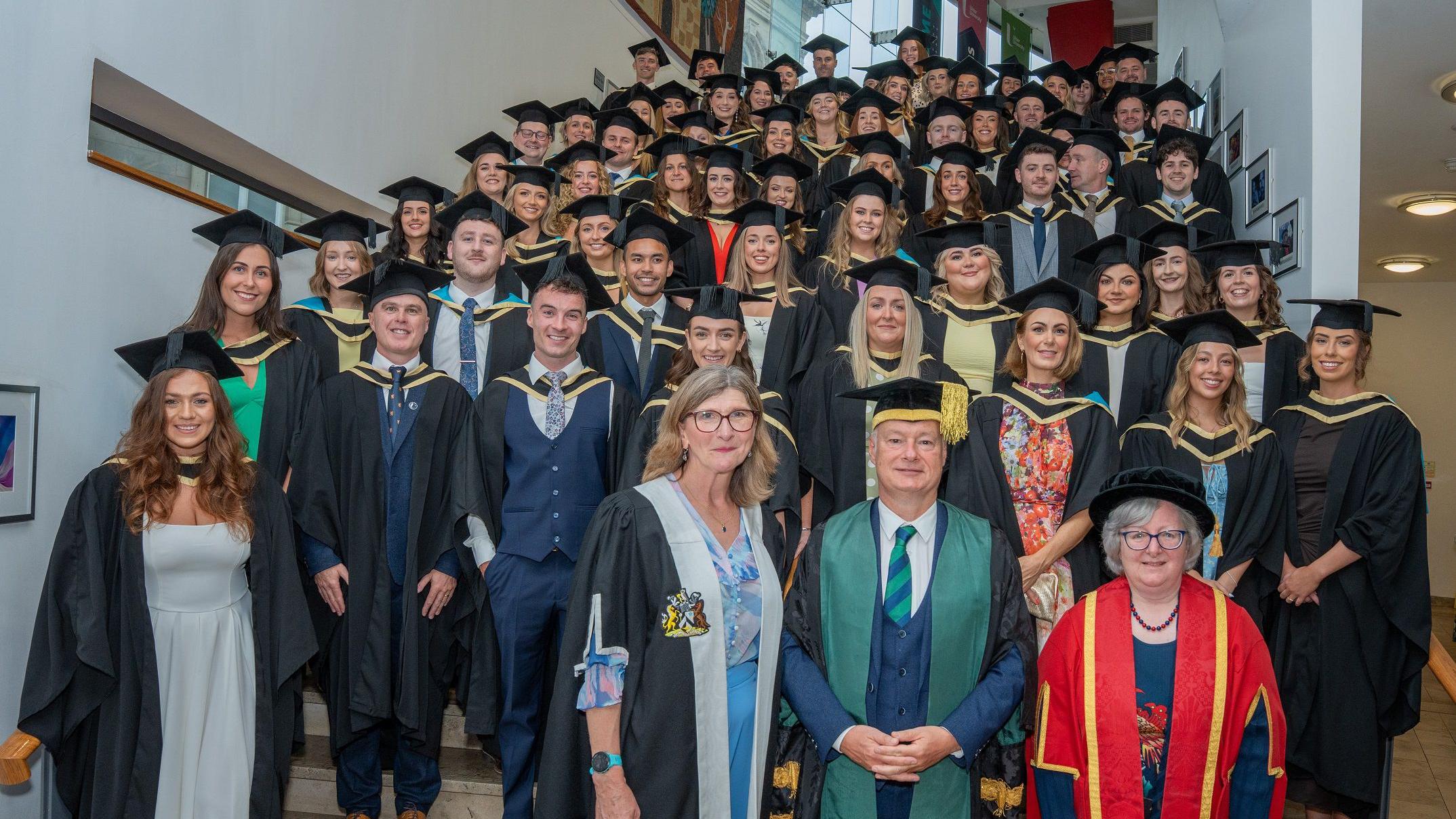
John Marshall walked across the stage at Ulster University this week to collect his degree in Sports, Coaching and Performance — a moment that would be remarkable for any student, but one that carries a weight of meaning that few in the graduation hall could fully comprehend. The Belfast man completed his studies while simultaneously fighting stage 4 cancer and processing the devastating loss of his seven-year-old son, Mateo, a combination of burdens that would have broken most people entirely.
Background
John Marshall enrolled at Ulster University with the same ambitions as any student — a passion for sport, a desire to build a career, and the ordinary optimism of someone beginning a new chapter. What followed was anything but ordinary. During his studies, he received a diagnosis of stage 4 cancer, a life-altering moment that would have provided ample justification for stepping away from his course entirely. The physical demands of treatment, the psychological weight of a serious diagnosis, and the disruption to daily life that illness brings would have overwhelmed most people.
Then came a grief of a different and perhaps even more devastating kind. His son Mateo, just seven years old, died — a loss that no parent should ever have to endure, and one that sits alongside his own illness as a burden almost incomprehensible in its scale. The combination of personal tragedy and medical crisis placed Marshall in circumstances that tested every reserve of strength he possessed.
Ulster University, which has campuses across Northern Ireland including its main Jordanstown site and the Belfast campus at York Street, has in recent years placed increasing emphasis on supporting students through personal difficulties. The university's student support services, pastoral care teams, and academic flexibility provisions exist precisely for situations like Marshall's, though few students have ever needed to draw on them in such extreme circumstances.
Key Developments
Marshall completed his degree in Sports, Coaching and Performance, a programme that combines theoretical grounding in sports science with practical coaching methodology. The course is designed to prepare graduates for careers in elite sport, community coaching, and physical education — fields that require not only academic knowledge but the kind of mental fortitude and leadership that Marshall has demonstrated in abundance.
His graduation has been widely reported across Northern Ireland, with the Belfast Telegraph among the outlets to highlight his story as one of the most compelling personal achievements of the current graduation season. Friends, family, and fellow students have spoken of their admiration for his determination, with many describing his presence on campus during treatment as an inspiration to those around him.
Marshall himself has spoken about the importance of maintaining purpose during the darkest periods of his illness and grief. For him, continuing his studies was not simply about obtaining a qualification — it was about maintaining a sense of identity, direction, and forward momentum at a time when everything else felt uncertain. The degree represents not just academic achievement but an act of profound personal defiance against circumstances that conspired to defeat him.
Why It Matters
Marshall's story matters because it challenges the narrative that serious illness and personal tragedy must necessarily derail educational and professional ambitions. In Northern Ireland, where mental health challenges, economic pressures, and social disadvantage already create significant barriers to higher education completion, his achievement sends a powerful message about what is possible with the right support structures and personal determination.
The story also highlights the importance of universities providing genuine flexibility and pastoral care for students facing exceptional circumstances. Ulster University's ability to support Marshall through his studies — whether through deferred assessments, adjusted deadlines, or simply the human support of staff who understood his situation — is a model worth examining. Across the UK and Ireland, dropout rates among students facing health crises remain stubbornly high, and Marshall's completion of his degree is a reminder of what can be achieved when institutions meet students where they are.
There is also a broader cultural dimension. In Northern Ireland, conversations about mental health, grief, and the experience of serious illness have become more open in recent years, but there remains a tendency — particularly among men — to minimise struggle and push through in silence. Marshall's willingness to have his story told publicly contributes to a more honest conversation about vulnerability and strength.
Local Impact
In Belfast and across Northern Ireland, Marshall's graduation has resonated deeply with communities that understand the particular weight of grief and illness in a society that has experienced more than its share of both. His story has circulated widely on social media, with many people sharing it as a source of encouragement during difficult times of their own.
For Ulster University's Belfast campus community, his achievement is a source of institutional pride. The university's sports and coaching programmes have produced graduates who have gone on to work with elite clubs, schools, and community organisations across Northern Ireland, and Marshall's degree places him among that cohort — albeit with a personal story that sets him apart entirely.
Cancer charities and bereavement support organisations in Northern Ireland have also pointed to his story as an example of the resilience that their clients demonstrate every day, often without public recognition. His graduation provides a moment of visibility for the many people across the region who are navigating serious illness and loss while continuing to pursue their goals.
What's Next
Marshall's immediate focus is on his health, with ongoing treatment for his cancer continuing alongside his post-graduation plans. He has expressed a desire to work in coaching and to use his experience to support others facing adversity through sport and physical activity — a field where his personal story will undoubtedly give him a unique and powerful perspective.
Ulster University has indicated its continued support for Marshall as he transitions from student to graduate. His story is likely to feature in the university's outreach and widening participation work, serving as a genuine example of what its support structures can help students achieve. For those who know him, the degree is not the end of the story — it is, in every meaningful sense, a beginning.