Aran Islands RNLI Volunteers Leah Ní Shearcaigh and Billy Gillan Pass Rigorous Tier One Assessment
Two volunteer crew members at the Aran Islands RNLI station — Leah Ní Shearcaigh and Billy Gillan — have successfully completed their Tier One assessments, the most demanding certification available to volunteer lifeboat crew, confirming their mastery of advanced rescue techniques in some of the most challenging waters on the Irish coastline.
Background
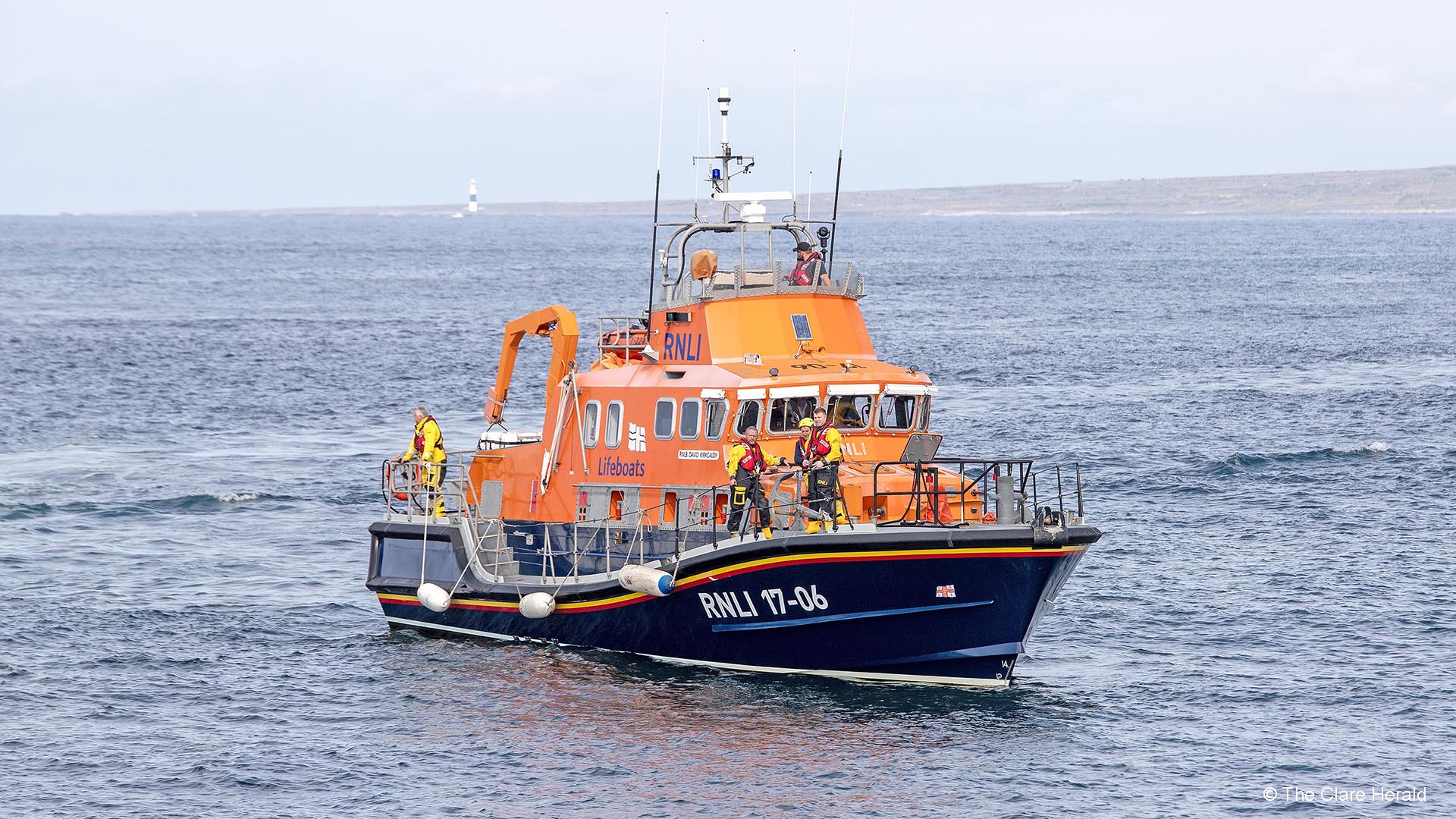
The Aran Islands, situated at the mouth of Galway Bay off the Co. Galway coast, present some of the most demanding conditions for maritime rescue operations in Ireland. The three islands — Inis Mór, Inis Meáin, and Inis Oírr — are exposed to the full force of Atlantic weather systems, with strong tidal currents, unpredictable swells, and limited shelter making rescue operations both technically complex and physically demanding. The RNLI station on the islands has been a vital lifeline for the island communities and for the many sailors, fishermen, and tourists who navigate these waters each year.
The RNLI's volunteer training programme is structured across multiple tiers, with each level requiring crew members to demonstrate proficiency in an increasingly demanding range of skills. Tier One represents the highest level of volunteer certification, covering advanced competencies including complex anchoring procedures, man-overboard recovery in difficult sea states, advanced rope handling, and the management of multi-casualty incidents. Achieving this standard requires sustained commitment over an extended period of training and assessment.
The Galway region is served by three RNLI stations — at the Aran Islands, Galway city, and Clifden — which collectively conducted 104 rescue operations in 2024. Across Ireland as a whole, the RNLI responded 881 times in 2024, assisting 1,007 people. The vast majority of those responses were carried out by volunteer crew members who balance their RNLI commitments with full-time employment and family life.
Key Developments
Leah Ní Shearcaigh and Billy Gillan completed their Tier One assessments following an intensive period of training and evaluation. The assessment process involves both practical demonstrations at sea and theoretical examinations, with crew members required to perform to the required standard under realistic operational conditions. Both volunteers passed their assessments to the satisfaction of RNLI assessors, earning the highest certification available to volunteer crew members in the organisation.
The achievement has been celebrated by the Aran Islands station and by the wider RNLI community in the west of Ireland. Station management noted that the commitment required to reach Tier One standard is exceptional, particularly for volunteers based on the islands, where training opportunities can be constrained by weather, ferry schedules, and the logistical challenges of island life. The success of both crew members reflects the depth of dedication within the station's volunteer cohort.
Leah Ní Shearcaigh's achievement is particularly notable given the additional challenges faced by female crew members in what has historically been a male-dominated environment. The RNLI has been actively working to increase the representation of women in its volunteer crews across Ireland, and her Tier One certification is a significant milestone both for the Aran Islands station and for the organisation's broader diversity ambitions.
Why It Matters
The RNLI's volunteer model is one of the most remarkable institutions in Irish civic life, and it is easy to take for granted. The organisation saves lives on Irish waters every week, and it does so almost entirely through the efforts of unpaid volunteers who train rigorously, respond at any hour, and place themselves in genuine danger to help strangers. The Tier One assessment is the clearest possible demonstration of the standard to which these volunteers hold themselves.
For island communities like those on the Aran Islands, the RNLI is not an abstract public service — it is a neighbour, a friend, a familiar face who will come when the sea turns dangerous. The relationship between the station and the island community is one of mutual dependence and deep trust. When Leah Ní Shearcaigh and Billy Gillan pass their assessments, they are not just advancing their own skills; they are strengthening the safety net that protects everyone who lives on or visits these islands.
The broader context is also worth noting. Ireland's coastline is among the longest in Europe relative to its land area, and the demands placed on maritime rescue services are substantial. The RNLI's ability to maintain high standards across dozens of volunteer stations — from Malin Head to Dunmore East — depends entirely on the willingness of individuals like these two crew members to invest years of their lives in training and service. That investment deserves recognition.
Local Impact
For the Aran Islands community, the certification of two additional Tier One crew members strengthens the station's operational capacity at a time when summer visitor numbers are at their peak. The islands attract tens of thousands of tourists each year, many of whom engage in water-based activities including kayaking, swimming, and sailing. The presence of highly trained volunteer crew provides a critical safety backstop for these activities.
The achievement has also inspired interest among younger islanders in joining the RNLI volunteer programme. Station management has reported enquiries from several young people on Inis Mór following the announcement, which organisers hope will help sustain the station's volunteer numbers into the future. The RNLI's youth engagement programme, which introduces secondary school students to maritime safety and rescue techniques, is active in schools across the Galway region.
What's Next
Both Leah Ní Shearcaigh and Billy Gillan will now take on additional responsibilities within the Aran Islands station commensurate with their Tier One status, including mentoring newer crew members through the lower tiers of the training programme. The RNLI's annual review of station capacity across the west of Ireland is scheduled for September, with the Galway region expected to be a focus given the volume of rescue operations in recent years. The organisation's national fundraising appeal continues throughout the summer, with donations supporting equipment maintenance and training costs across all volunteer stations.