Live Here Love Here Small Grants Scheme Returns to Fund Community Environmental Projects Across Northern Ireland
The Live Here Love Here small grants programme has reopened for applications in 2026, offering funding of between £500 and £3,000 to volunteer-led organisations and youth groups across Northern Ireland who are working to improve their local environments. The scheme, which last year distributed more than £158,000 to 102 community projects and mobilised over 2,500 volunteers, has become one of the most tangible expressions of grassroots environmental action across the region.
Background
Live Here Love Here is a campaign and grant programme that has operated across Northern Ireland for a number of years, with the explicit aim of empowering local communities to take ownership of their immediate environments. The initiative is built on a straightforward premise: that the people who live in a place are best placed to identify what needs improving, and that relatively modest financial support can unlock significant community energy and effort.
The programme has historically been administered in partnership with Keep Northern Ireland Beautiful, the environmental charity that works to improve public spaces, reduce litter, and promote environmental responsibility across the region. Its reach extends from urban neighbourhoods in Belfast and Derry to rural townlands in Fermanagh, Tyrone, and Armagh, reflecting the breadth of community engagement that environmental improvement can generate when the barriers to participation are kept low.
The 2025 cycle of the scheme demonstrated the programme's effectiveness in concrete terms. More than £158,000 was distributed across 102 separate community projects, with individual grants ranging from the minimum £500 award to the maximum £3,000. The projects funded ranged from community garden creation and litter-picking initiatives to the planting of wildflower meadows, the installation of community composting facilities, and the restoration of local green spaces that had fallen into neglect.
Key Developments
The 2026 scheme has now opened for applications, with the same funding parameters as previous years — grants of between £500 and £3,000 available to eligible volunteer organisations and youth groups. The application process is designed to be accessible, with straightforward criteria focused on the environmental benefit of the proposed project, the level of community involvement, and the sustainability of the initiative beyond the grant period.
Eligible applicants include community associations, residents' groups, tidy towns committees, youth clubs, sports clubs with environmental projects, and other volunteer-led organisations. The scheme explicitly targets groups that may not have access to larger funding streams, making it a genuinely inclusive mechanism for community environmental action.
The 2025 cohort of funded projects engaged more than 2,500 volunteers across Northern Ireland — a figure that represents not just the direct participants in funded projects but the wider ripple effect of community environmental action. When a local group plants a community orchard or clears a neglected riverbank, the impact extends beyond the immediate participants to everyone who uses and benefits from the improved space.
Why It Matters
The Live Here Love Here scheme matters because it addresses a gap that larger environmental funding programmes often miss: the small-scale, hyper-local projects that make the most immediate difference to how communities experience their daily environments. A £2,000 grant to a residents' association in Newry or a youth club in Strabane can transform a neglected corner of a housing estate or restore a stretch of riverbank that has become an eyesore — changes that no government department or large charity would prioritise but that matter enormously to the people who live there.
The scheme also builds social capital in communities that may be experiencing other pressures. Environmental volunteering has been shown consistently to improve mental health, strengthen community bonds, and increase civic participation. In Northern Ireland, where community cohesion remains a work in progress in many areas, shared environmental projects can provide a neutral, positive focus that brings people together across traditional divides.
The 2,500 volunteers mobilised in 2025 represent a significant contribution to Northern Ireland's environmental improvement that would not have happened without the scheme's modest financial catalyst. The leverage ratio — the amount of volunteer time and community effort generated per pound of grant funding — is exceptionally high, making this one of the most cost-effective environmental programmes operating in the region.
Local Impact
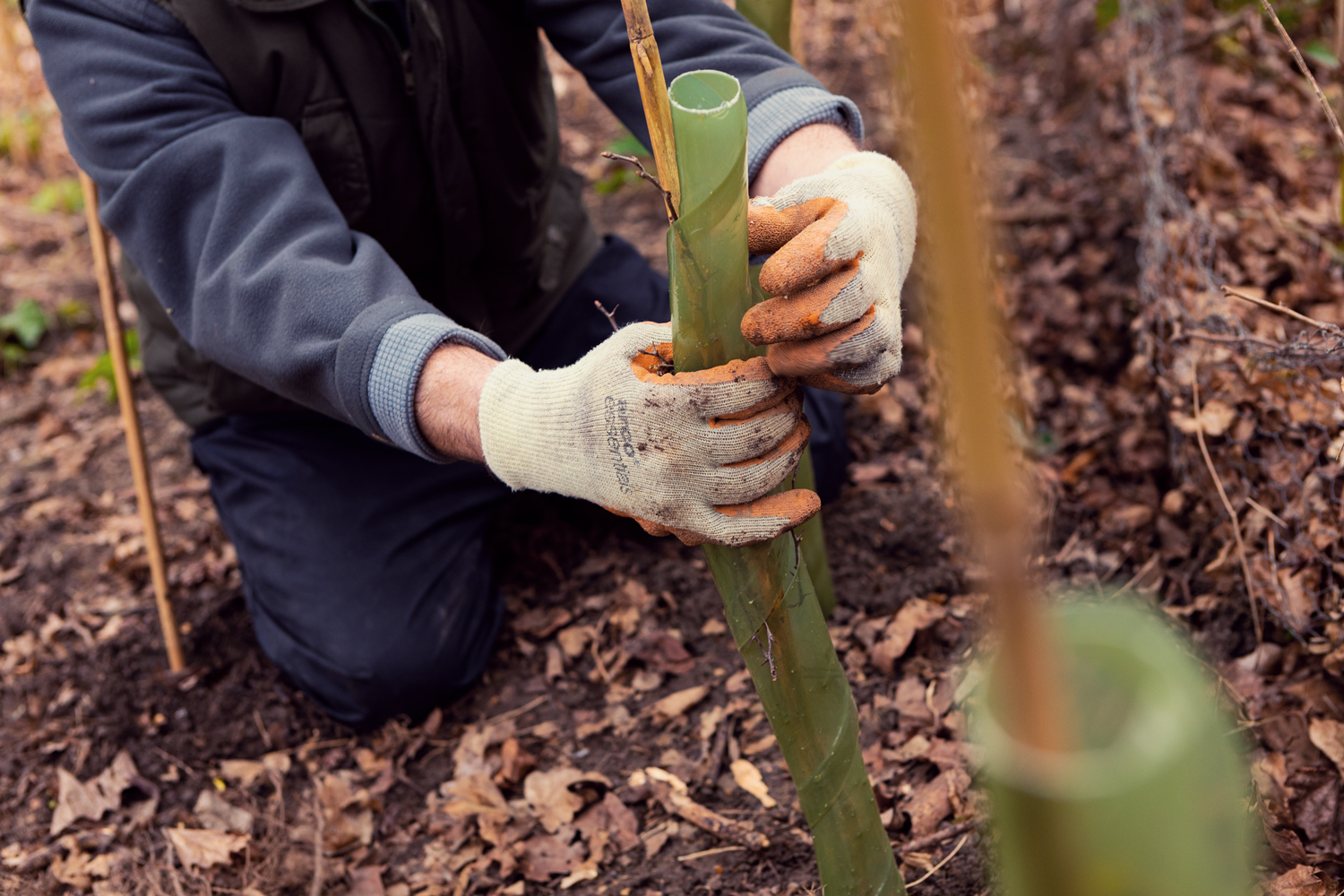
Across Northern Ireland, the practical impact of Live Here Love Here grants is visible in improved public spaces, cleaner waterways, and more vibrant community green areas. In rural areas of Fermanagh and Tyrone, grants have supported the restoration of hedgerows and the creation of wildlife corridors. In urban areas of Belfast and Derry, funded projects have transformed derelict plots into community gardens and improved the appearance of housing estates that had suffered from years of neglect.
Youth groups have been among the most active participants in the scheme, with many using environmental projects as a vehicle for skills development, teamwork, and community engagement. The involvement of young people in environmental improvement work has long-term benefits that extend well beyond the immediate project, building habits of civic participation and environmental responsibility that carry forward into adult life.
Tidy towns committees across Northern Ireland — a network of volunteer groups that have long been the backbone of local environmental improvement — have also been significant beneficiaries, using grants to fund equipment, materials, and community events that amplify their ongoing work.
What's Next
Applications for the 2026 Live Here Love Here small grants scheme are now open, with groups encouraged to submit proposals as early as possible. The scheme operates on a competitive basis, with applications assessed against criteria including environmental impact, community involvement, and project sustainability.
Successful applicants from the 2025 cycle are expected to share their experiences at a community showcase event later in the year, providing inspiration and practical guidance for new applicants. Keep Northern Ireland Beautiful has indicated that the 2026 scheme will place particular emphasis on projects that address biodiversity loss and climate resilience — themes that reflect the growing urgency of environmental challenges facing communities across the region.
For groups interested in applying, information is available through the Live Here Love Here campaign website and through local councils, many of which actively promote the scheme to community organisations in their areas.