Finn Harps Takeover Investor Pledges €1.6 Million for Donegal Stadium as Club Faces Financial Crossroads
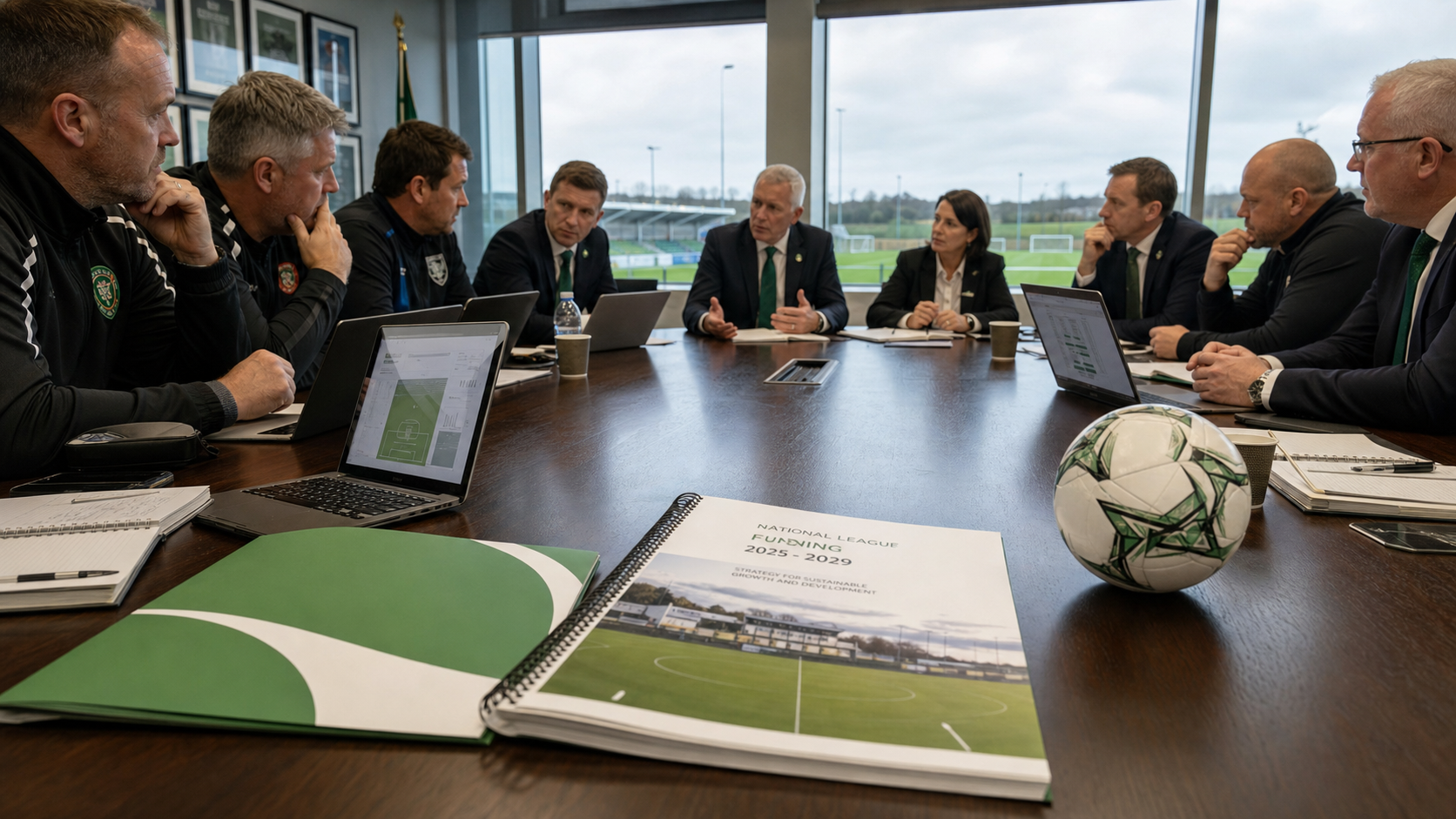
The proposed takeover of Finn Harps by businessman Alfredo "Freddy" Razon Gonzalez includes a commitment of €1.6 million to complete the long-delayed Donegal Community Stadium — funding that is required to unlock further government and FAI grants — alongside up to €500,000 annually for three years to cover operational costs, as the club's board warns that negative net assets of €511,325 and a budget gap of €400,000 below the lowest Premier Division budget make the status quo financially unsustainable.
Background
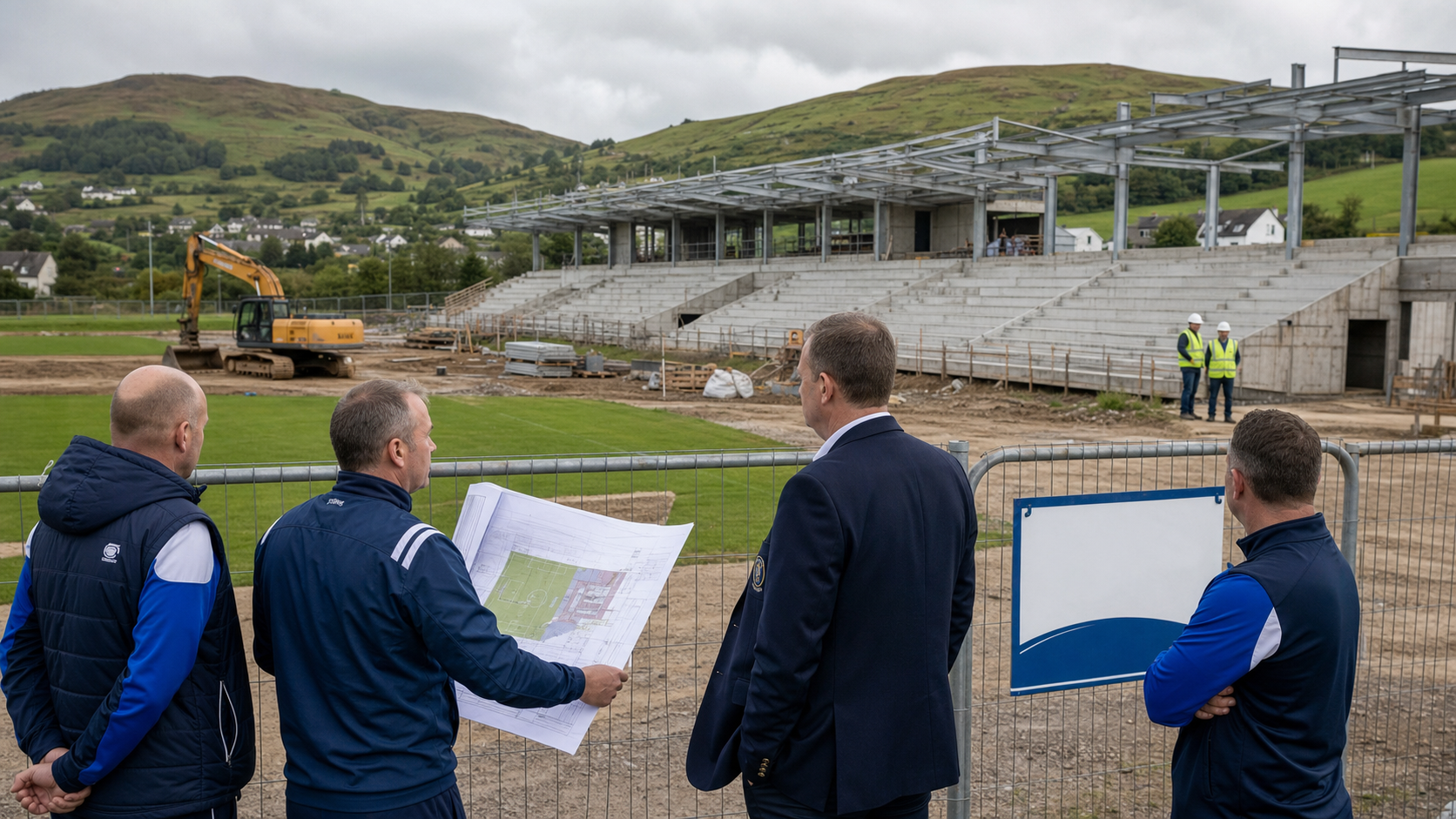
The Donegal Community Stadium has been one of the most protracted infrastructure projects in Irish sport. Planned for years as a replacement for Finn Park in Ballybofey, the stadium has been repeatedly delayed by funding shortfalls, planning complications, and the broader challenges of delivering major capital projects in a rural county with limited public investment. The stadium's completion is not merely a matter of sporting ambition — it is a prerequisite for Finn Harps to compete in the Premier Division, where infrastructure standards are significantly higher than those at Finn Park.
The club's financial position has deteriorated to the point where the board has been explicit about the existential nature of the challenge. Negative net assets of €511,325 — meaning the club owes more than it owns — combined with a budget that is €400,000 below the lowest Premier Division budget, paint a picture of a club that is struggling to survive in the current League of Ireland environment. The cooperative structure that has defined Finn Harps for seven decades, while admirable in principle, has proven unable to generate the capital investment needed to close that gap.
Gonzalez, a former Philippines national team manager with business interests across Asia and Europe, emerged as a potential investor earlier in 2026. His background in football management gives him an understanding of the sport's demands that purely financial investors often lack, and his stated ambition — to achieve promotion to the Premier Division and develop the club into a self-sustaining professional entity within three years — is ambitious but not implausible given the right level of investment.
Key Developments
The revised investment structure announced in July 2026 addresses the legal and logistical challenges that complicated the initial proposal. Under the new arrangement, a company owned by Gonzalez will acquire the club's playing assets and the right to compete in the league, while the Finn Harps Co-Operative Society will continue to exist and retain ownership of the Donegal Community Stadium, which will be leased to the new entity. This structure removes the requirement for thousands of individual shareholders to sign share transfer forms — a process that proved unworkable in practice.
The €1.6 million commitment to the stadium is the most significant element of the investment package from a long-term perspective. The completion of the stadium is required to unlock further government grants and FAI funding that have been contingent on the project reaching a certain stage of development. Without that investment, the stadium project faces an indefinite delay that would leave Finn Harps unable to meet the infrastructure requirements for top-flight competition.
The operational funding — up to €500,000 annually for three years — would allow the club to recruit and retain players at a level that is currently beyond its means, and to invest in the coaching and support staff infrastructure that professional football requires.
Why It Matters
The Finn Harps situation is a microcosm of the challenges facing smaller League of Ireland clubs in an era of increasing professionalisation. The gap between the resources available to the top clubs — Shamrock Rovers, Bohemians, Dundalk, and Shelbourne — and those available to clubs like Finn Harps has widened significantly in recent years, driven by the growth of television rights income, commercial sponsorship, and European prize money. Without external investment, clubs like Harps face a choice between accepting permanent second-tier status or finding a way to attract the capital they need to compete. The Gonzalez proposal offers one model for how that investment can be structured in a way that preserves some element of community ownership, but it requires members to accept a fundamental change in the club's governance model.
Local Impact
For Ballybofey and the wider Donegal community, the completion of the Donegal Community Stadium would be a transformative development. The stadium, when complete, would be one of the finest football facilities in the country outside the major urban centres, capable of hosting not only League of Ireland matches but international fixtures, concerts, and community events. The economic impact of a completed stadium — in terms of construction employment, matchday spending, and the broader profile it would give to the area — would be significant. Donegal County Council has been a supporter of the stadium project and is expected to welcome the investment if the takeover vote is approved.
What's Next
The member vote is expected to take place before the end of August, with the club's board urging shareholders to engage with the process. If approved, the FAI regulatory process will begin immediately, with a target completion date of December 1, 2026. Construction on the stadium is expected to begin in early 2027 if the investment is confirmed, with a projected opening date of 2029. The club has indicated that it will hold a series of community engagement events in the coming weeks to explain the proposal and answer questions from members and supporters.