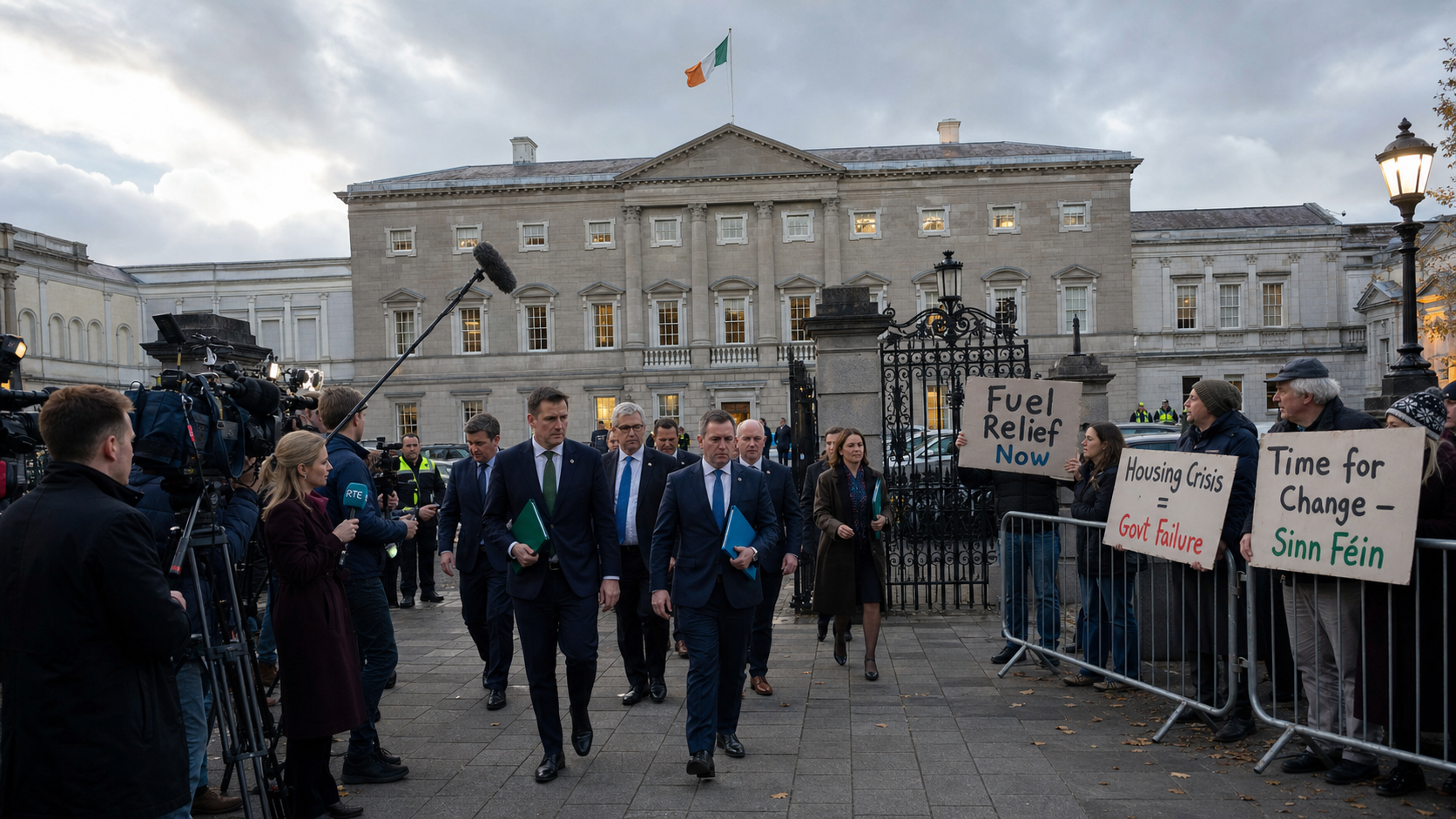
Fianna Fáil-Fine Gael Coalition Shows Strain as By-Election Losses and Internal Pressures Mount
Ireland's Fianna Fáil-Fine Gael coalition government is navigating a period of significant internal strain, with the resignation of junior minister Michael Healy-Rae over fuel relief policies, mixed by-election results that have sharpened anxieties within Fianna Fáil about the party's distinct identity, and sustained opposition pressure from Sinn Féin on issues ranging from housing to the Triple Lock on military deployments.
Background
The current coalition government, which also includes the Green Party, was formed following the general election of late 2024 and represents the continuation of a partnership that has governed Ireland since 2020. The arrangement has always been one of pragmatic necessity rather than ideological alignment — Fianna Fáil and Fine Gael are historic rivals whose merger into a governing coalition would have been unthinkable to previous generations of Irish politicians.
The coalition has survived several significant challenges, including the housing crisis, the cost-of-living pressures of 2022-23, and the political turbulence generated by Ireland's response to the war in Ukraine and the conflict in Gaza. However, the political environment in mid-2026 is presenting a new set of challenges that are testing the cohesion of the partnership and the individual parties' ability to maintain their distinct identities within it.
Fianna Fáil, in particular, has been grappling with questions about its political positioning. The party's traditional base — rural Ireland, small business owners, and the farming community — has been under pressure from a range of policy directions, including environmental regulations, housing policies that are seen as favouring urban renters over rural homeowners, and fuel and energy policies that have hit rural communities disproportionately hard.
Key Developments
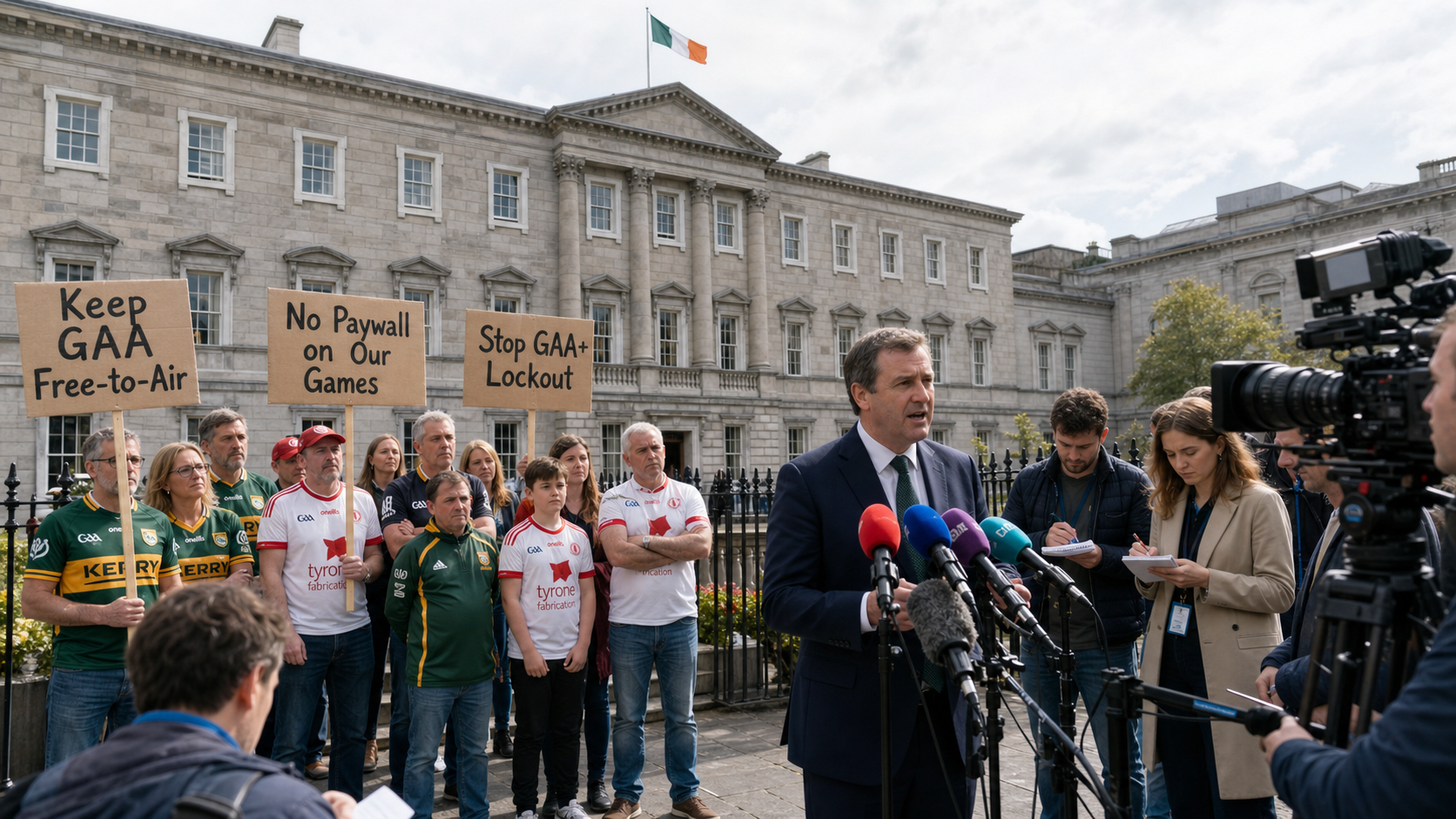
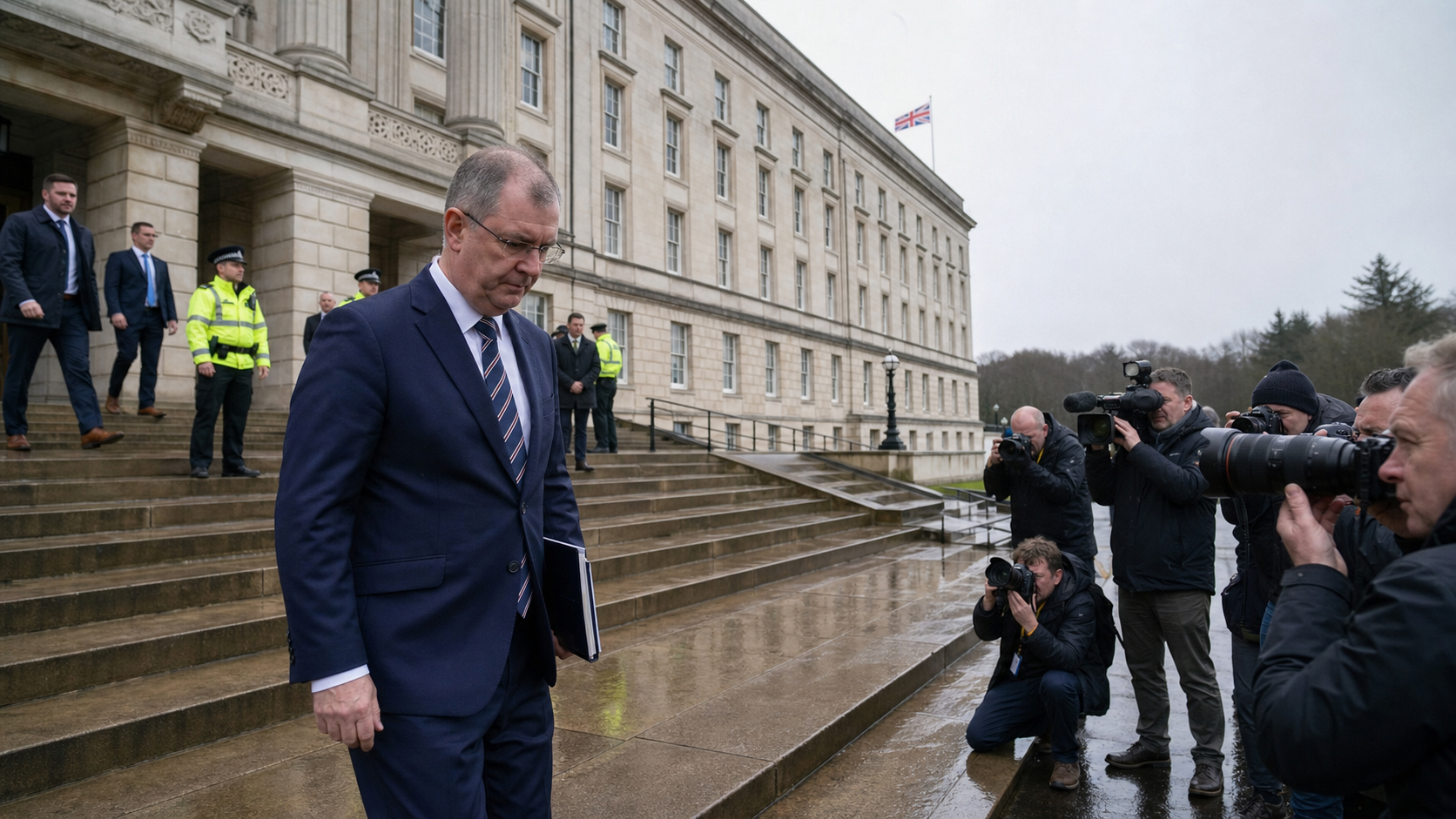
The resignation of junior minister Michael Healy-Rae over fuel relief policies has crystallised the tensions within the coalition. Healy-Rae, who represents a Kerry constituency with a strong rural character, argued that the government's approach to fuel relief was inadequate for communities that depend on private transport and home heating oil. His resignation — the first by a junior minister in the current government — has been interpreted by political analysts as a signal that the coalition's rural flank is under pressure.
Recent by-election results have added to the anxiety within Fianna Fáil. A Fine Gael win in Galway West has been seen as evidence that Fine Gael is consolidating its position in constituencies that Fianna Fáil regards as its natural territory, while a Social Democrats win in Dublin Central has demonstrated that the centre-left is capable of making gains in urban areas where Fianna Fáil has been trying to rebuild its presence.
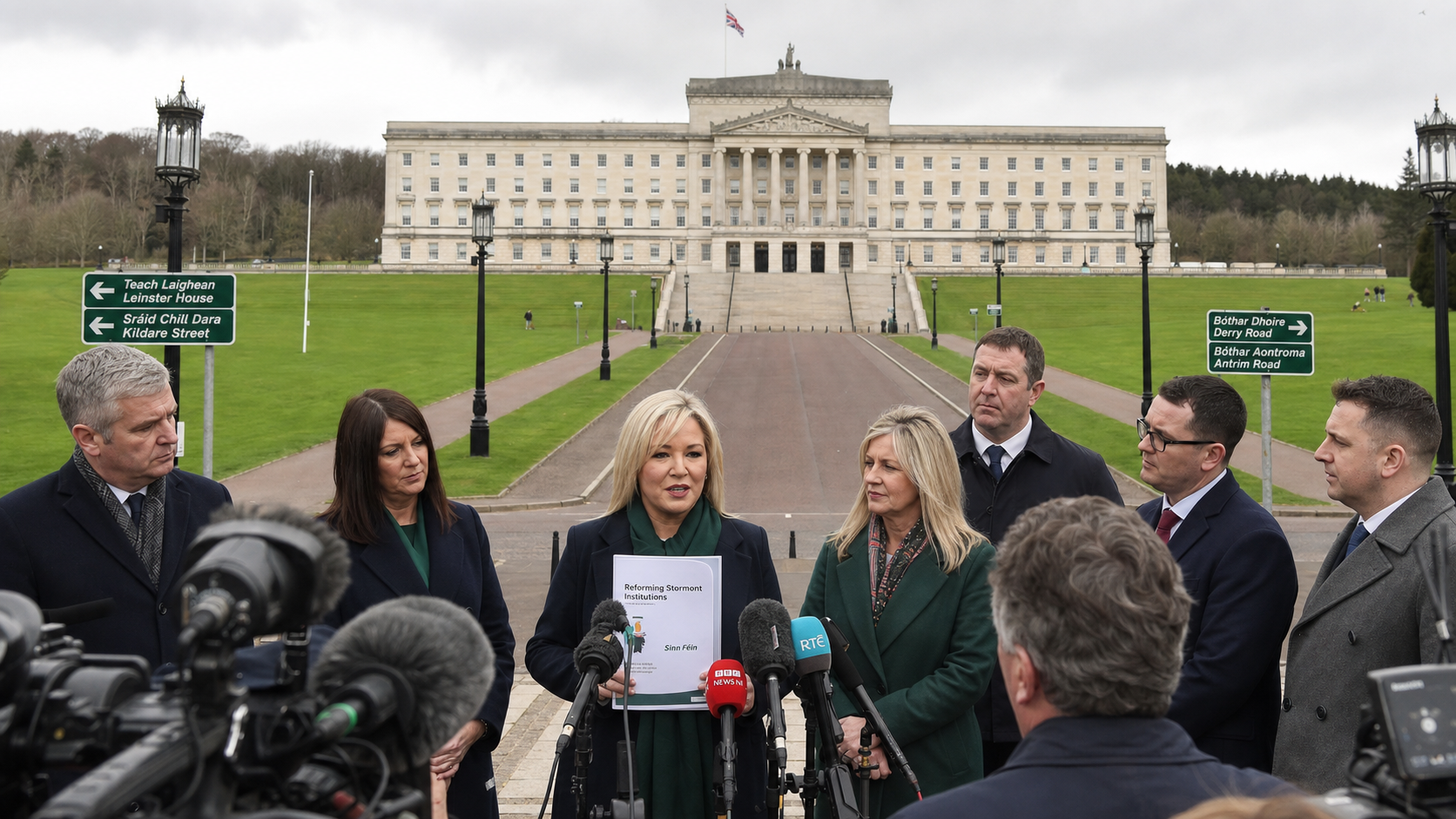
Sinn Féin leader Mary Lou McDonald has been an energetic and effective opposition leader, challenging the government on issues ranging from housing and homelessness to the Triple Lock mechanism that governs Irish military deployments overseas. The party's sustained pressure on the government's legislative agenda has kept the coalition on the defensive on multiple fronts simultaneously.
Why It Matters
The strains within the coalition matter because they affect the government's capacity to make and implement difficult decisions. A government that is managing internal tensions and watching its poll numbers anxiously is less likely to take the bold policy steps that the housing crisis, the climate transition, and the reform of public services require. The resignation of Healy-Rae, while not in itself a threat to the government's survival, is a symptom of a broader problem: the difficulty of maintaining a coherent policy agenda when the coalition partners have different electoral bases with different priorities.
For Fianna Fáil specifically, the question of identity within the coalition is existential in the medium term. The party's historic strength was its ability to be all things to all people — a catch-all party that could appeal to rural and urban voters, to business and labour, to conservative and progressive constituencies. That positioning is harder to maintain in a coalition with Fine Gael, which occupies much of the same political space, and in an era of more ideologically defined politics.
Local Impact
The political tensions within the coalition are being felt in practical ways across the country. In rural constituencies — particularly in Kerry, Roscommon, and the midlands — the sense that the government is not adequately addressing the specific concerns of rural communities is generating political discontent that could translate into electoral losses at the next general election. In Dublin, the Social Democrats' by-election win in Dublin Central suggests that the government's urban vote is also under pressure, particularly among younger voters who are most acutely affected by the housing crisis. In Cork, Galway, and Limerick, local Fianna Fáil councillors have been vocal about the disconnect between national party policy and the concerns of their constituents.
What's Next
The government is expected to face a series of difficult votes in the Dáil before the summer recess, including on the social housing residency bill and on amendments to the Triple Lock legislation. Fianna Fáil's parliamentary party is scheduled to hold a strategy session in July to discuss the party's positioning ahead of the autumn political season. The next opinion polls, expected in late July, will be closely watched for signs of whether the recent political turbulence has affected the government's support levels.