GAA+ Backlash Goes Political as Councillors Back Free-to-Air Motions and TDs Raise Issue in Dáil
Local councillors across Ireland are being urged to support motions calling for all GAA All-Ireland Championship games to be made free-to-air from 2027, as public anger over the decision to broadcast Saturday's quarter-finals — including the highly anticipated Kerry versus Tyrone clash — exclusively on the subscription-based GAA+ platform reaches the Dáil and threatens to become a significant political issue for the association.
Background
The GAA's broadcasting arrangements have been a source of tension for several years, but the 2026 championship has brought the issue to a head. The association's deal with GAA+, its own subscription streaming service, has seen an increasing number of high-profile games moved behind a paywall, away from the free-to-air television that has been the primary means by which Irish people have watched Gaelic games for generations.
The principle of free-to-air access to major sporting events is enshrined in Irish broadcasting legislation, which designates certain events — including the All-Ireland Senior Football and Hurling Finals — as "listed events" that must be available on free-to-air television. However, the legislation does not extend to earlier rounds of the championship, leaving the GAA free to sell those games to subscription services without restriction.
The GAA has defended its broadcasting strategy on the grounds that revenue from GAA+ is essential for funding the association's activities at club and county level, and that the service provides a high-quality viewing experience for subscribers. Critics argue that the paywall is fundamentally at odds with the GAA's identity as a community organisation, and that it risks alienating the casual supporters and younger viewers who are essential to the long-term health of the games.
Key Developments
The decision to broadcast Saturday's All-Ireland Senior Football Championship quarter-finals — Cork versus Mayo and Kerry versus Tyrone — exclusively on GAA+ has reignited the debate with particular intensity. The Kerry-Tyrone fixture, a renewal of one of the most storied rivalries in Gaelic football, is one of the most anticipated games of the championship, and the decision to put it behind a paywall has been met with widespread frustration from supporters in both counties and beyond.
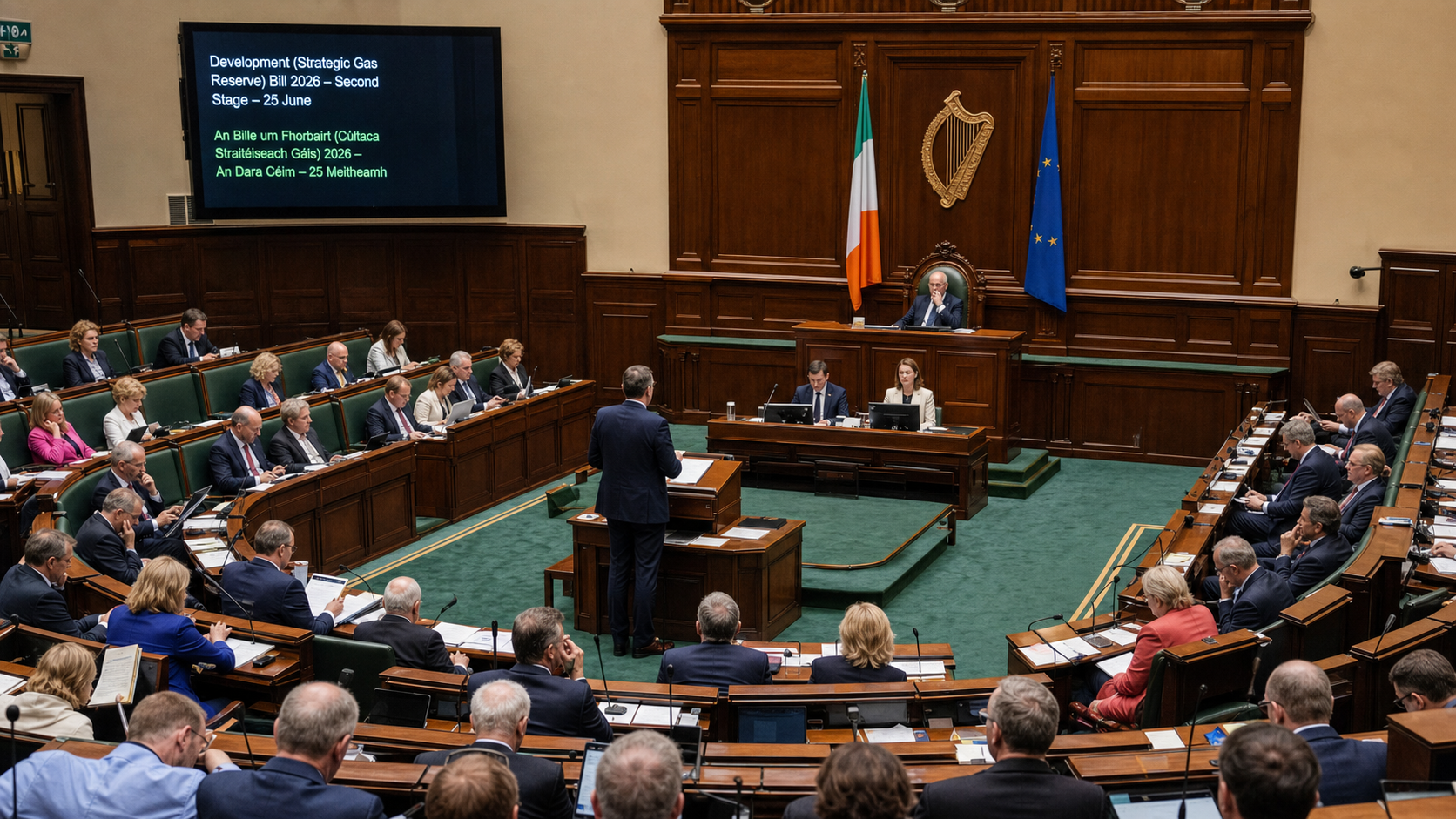
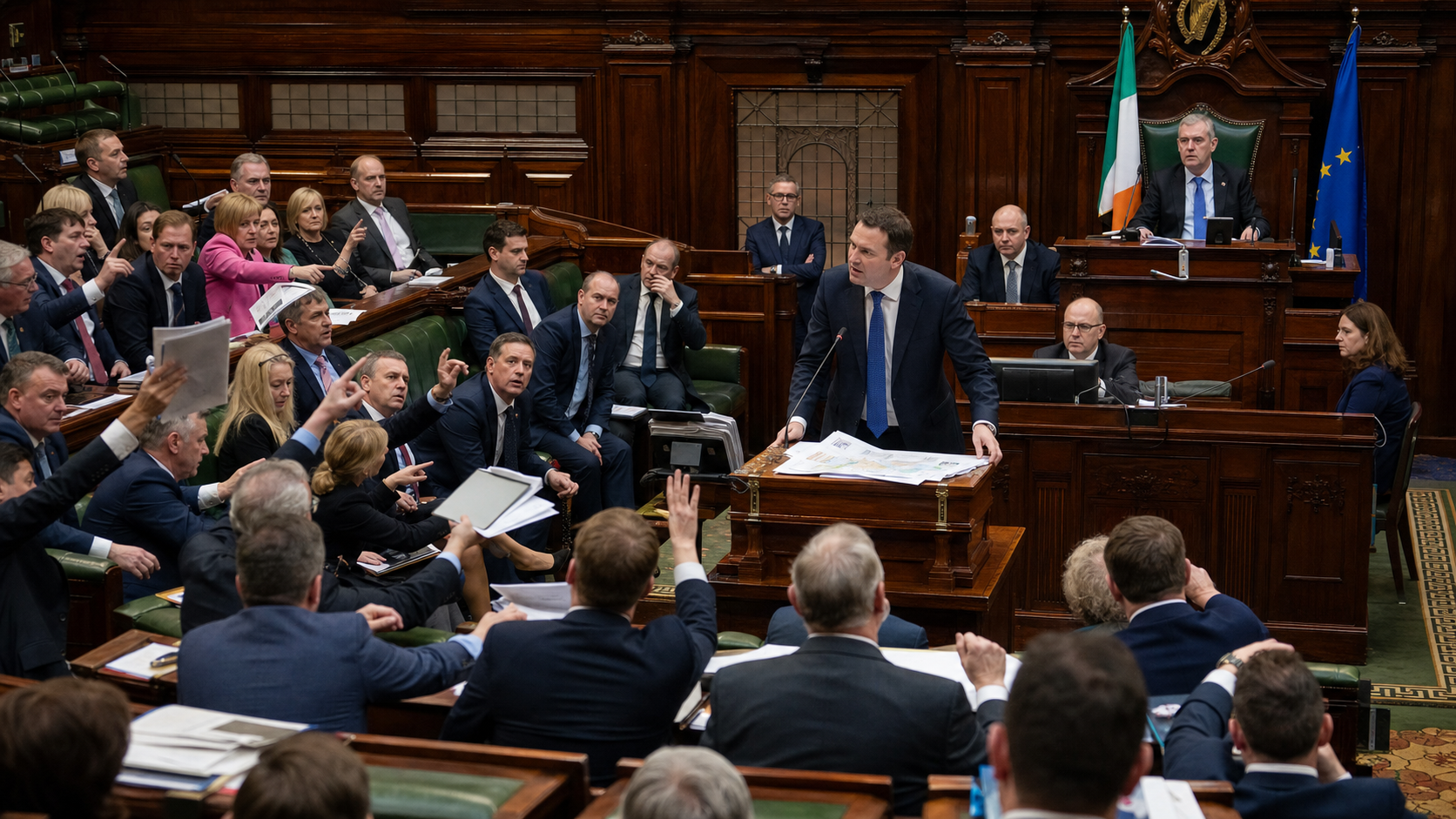
In response, a campaign has emerged urging local councillors across Ireland to pass motions at their council meetings calling on the GAA to make all championship games free-to-air from 2027. The campaign has gained traction in counties across Munster, Connacht, and Ulster, with several councils having already passed or scheduled debates on the motions. The political pressure is being felt at national level, with TDs from Fine Gael, Fianna Fáil, Sinn Féin, and the independent benches raising the issue in Dáil questions and debates.
The contrast with Sunday's fixtures is stark. The two Sunday quarter-finals — Louth versus Monaghan and Galway versus Dublin — will be broadcast live on RTÉ2, free of charge. The decision to split the weekend's games between GAA+ and free-to-air television has been criticised as arbitrary and unfair, with no clear principle governing which games are made available to all and which are reserved for subscribers.
Why It Matters
The GAA+ controversy matters because it touches on fundamental questions about the relationship between sport, community, and commerce in Ireland. The GAA is not a commercial sports organisation in the conventional sense — it is a voluntary association with deep roots in Irish communities, funded largely by the efforts of unpaid volunteers and the loyalty of supporters who have followed their county teams for generations. The decision to put major championship games behind a paywall sits uneasily with that identity.
There is also a generational dimension to the debate. Young people who have grown up with streaming services may be more comfortable with the idea of paying for sports content than older supporters who expect to watch championship games on RTÉ. But the GAA's long-term health depends on attracting and retaining young supporters, and there is a real risk that the paywall creates a barrier to engagement for young people from lower-income households who cannot afford a subscription.
The political dimension of the controversy is also significant. The GAA has historically enjoyed a privileged relationship with Irish political institutions, and the emergence of cross-party political pressure on the broadcasting issue is a sign that the association's traditional goodwill is not unlimited. If the Dáil were to legislate to extend the listed events regime to championship games beyond the finals, it would represent a significant constraint on the GAA's commercial freedom.
Local Impact
In counties like Kerry and Tyrone, where Saturday's quarter-final is the biggest sporting event of the year, the decision to put the game on GAA+ has caused genuine frustration. Many supporters, particularly in rural areas with limited broadband access, have found it difficult or impossible to subscribe to the service, and the prospect of missing a championship quarter-final involving their county team is a source of real anger. Community groups and supporters' clubs in both counties have been vocal in their criticism of the GAA's decision.
In Cork and Mayo, where the other Saturday quarter-final is taking place, the reaction has been similar. The GAA's decision has also drawn criticism from supporters in counties not involved in Saturday's games, who see the paywall as a threat to the championship's status as a shared national event rather than a product for paying subscribers.
What's Next
The GAA's Central Council is expected to review its broadcasting arrangements following the 2026 championship, with the council motions and political pressure likely to feature prominently in those discussions. The association's annual congress, which takes place in the spring, would be the appropriate forum for a formal decision on the future of GAA+. In the meantime, the Dáil's media committee has indicated it may hold hearings on the listed events regime and whether it should be extended to cover more championship games.