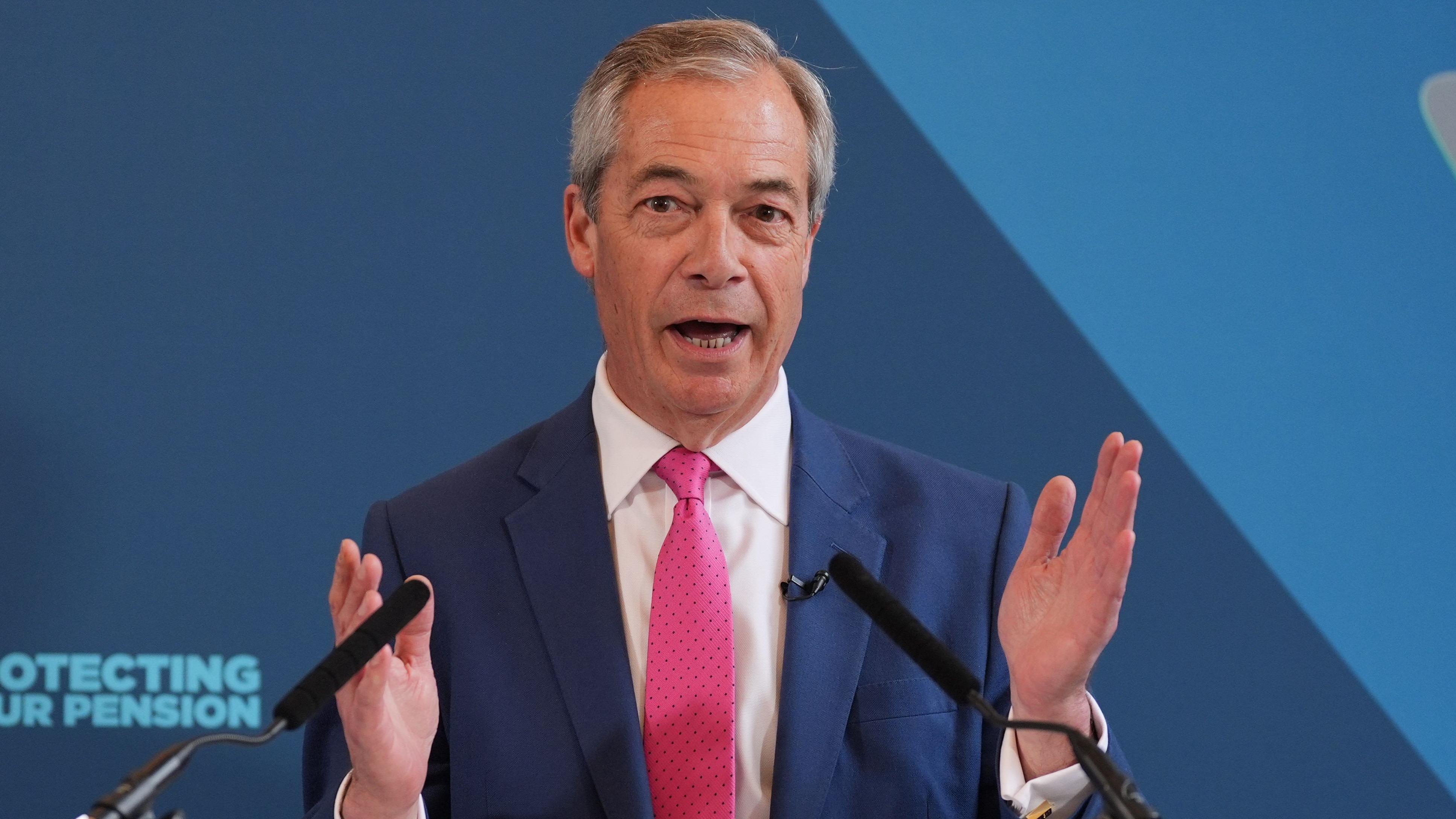
Nigel Farage has confirmed that Reform UK would maintain the state pension triple lock if the party wins a general election, ending weeks of speculation about the policy's future — but the pledge comes with a significant caveat: the party plans to fund it through what Farage described as "the biggest cuts to the benefits bill ever seen in the history of this country."
The Reform UK leader, who had previously suggested the triple lock was "open for debate," clarified on Thursday that his earlier remarks reflected the party's deliberative process rather than any intention to scrap the guarantee, which ensures state pensions rise annually by the highest of inflation, average wage growth, or 2.5%.
"We are absolutely committed to the triple lock," Farage said. "The people who have worked hard all their lives and paid into the system deserve to reap the rewards. We will protect their pensions."
The commitment was backed by Reform's Treasury spokesman Robert Jenrick, who suggested the party could save up to £40 billion through welfare cuts — more than enough to cover the cost of the triple lock, which the Office for Budget Responsibility projects will add £15.5 billion annually to pension costs by 2030.
Jenrick also indicated that Reform would review whether new civil servants could continue to access "gold-plated" pension schemes, which he noted were phased out in the private sector decades ago.
The announcement comes as state pension payments rose by 4.8% in April 2026 due to average wage increases, with the UK set to spend £183 billion on pensions this year. Most major parties — including Labour, the Conservatives, and the Liberal Democrats — have also committed to maintaining the triple lock.
Critics questioned how Reform would implement welfare cuts of the scale Farage described without significant hardship for vulnerable people, while economists warned that the triple lock's long-term cost posed a genuine challenge to public finances given the UK's ageing population.
Farage also hinted at the "inevitability" of a rising state pension age, suggesting there was a "logic" to people working longer if they were fit — though he stopped short of announcing a specific policy.