Ireland's Emergency Homelessness Bill Hits €449m as Housing Crisis Costs Mount
Emergency homelessness spending in Ireland has reached €449 million, a figure that lays bare the staggering financial cost of the country's housing crisis and the extent to which the state has become dependent on expensive emergency accommodation as a substitute for the permanent housing that tens of thousands of people need and cannot access.
Background
Ireland's homelessness crisis has been building for more than a decade, driven by a combination of factors including chronic underinvestment in social housing, the financialisation of the private rental market, and the failure of planning and construction systems to deliver housing at the scale and speed required to meet demand. The number of people in emergency accommodation has risen steadily over the past decade, and the cost of providing that accommodation — through a combination of direct provision, hotel and B&B placements, and purpose-built emergency facilities — has risen in parallel.
Emergency accommodation is significantly more expensive than permanent social housing on a per-person basis, and the €449 million figure represents money that is being spent on a temporary solution rather than on the permanent housing that would address the underlying problem. Housing charities and policy analysts have consistently argued that the state would save money in the long run by investing more heavily in social and affordable housing construction, but the political and financial barriers to that investment have proved difficult to overcome.
The figure of €449 million covers spending by the Department of Housing, Local Government and Heritage on emergency accommodation and related services. It does not include the full range of costs associated with homelessness, including healthcare, social welfare, and the economic costs of lost productivity and social exclusion.
Key Developments
The Irish Examiner has reported the €449 million figure as part of its ongoing coverage of the housing crisis, and the number has prompted immediate political reaction. Opposition parties have cited it as evidence that the government's housing strategy is failing and that the cost of inaction is being borne by both the people experiencing homelessness and the taxpayer. The government has defended its record, pointing to increased housing construction targets and the expansion of social housing programmes, but acknowledged that the emergency accommodation figures reflect the scale of the challenge that remains.
Housing charities including Focus Ireland, the Simon Community, and the Peter McVerry Trust have all highlighted the figure as a call to action, arguing that the money being spent on emergency accommodation could be redirected to permanent housing solutions if the political will existed to make that shift. The charities have also pointed to the human cost of emergency accommodation — the instability, the lack of privacy, and the difficulty of maintaining employment and family life in a hotel or hostel — as a reason why the current approach is not just expensive but harmful.
Why It Matters
The €449 million figure is a stark illustration of the opportunity cost of Ireland's housing policy failures. Every euro spent on emergency accommodation is a euro not spent on building the permanent homes that would make emergency accommodation unnecessary. The figure also reflects a broader truth about the Irish housing crisis: it is not primarily a crisis of individual misfortune but a systemic failure of policy and investment that has been building for decades. The political debate about housing in Ireland has often focused on the symptoms — the number of people in emergency accommodation, the length of social housing waiting lists — rather than the structural causes. The €449 million figure is a reminder that those symptoms have a price tag, and that the price is rising.
Local Impact
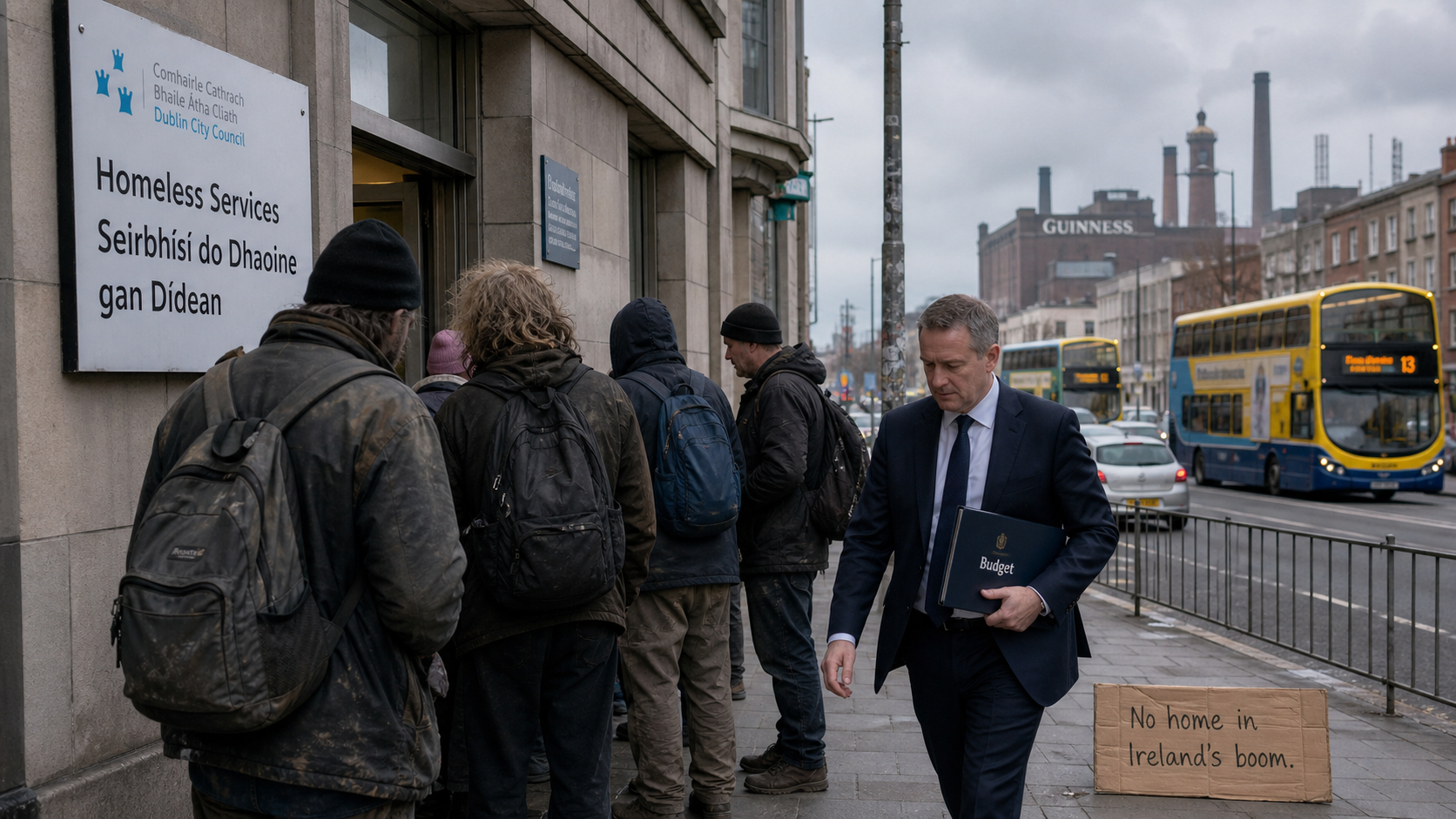
In Dublin, which accounts for the largest share of emergency homelessness spending, the crisis is visible on the streets of the city centre and in the pressure on services across the capital. Cork, Galway, and Limerick have also seen significant increases in homelessness in recent years, reflecting the spread of the housing crisis beyond the capital. Local authorities across the country are struggling to manage the demand for emergency accommodation within their areas, and many have reported that the supply of suitable emergency accommodation is insufficient to meet current need. The pressure on local authority housing departments is intense, and staff are working under significant strain to manage a crisis that shows no sign of abating.
What's Next
Budget 2027, which will be announced in October, is expected to include significant housing measures. The government has indicated that housing will be the central priority of the budget, and the €449 million emergency homelessness figure will feature prominently in the political debate about what those measures should include. Housing charities have called for a commitment to building at least 20,000 social homes per year over the next five years, a target that would require a significant increase in capital investment. The government's Housing for All plan is currently being reviewed, and an updated strategy is expected to be published alongside the budget.