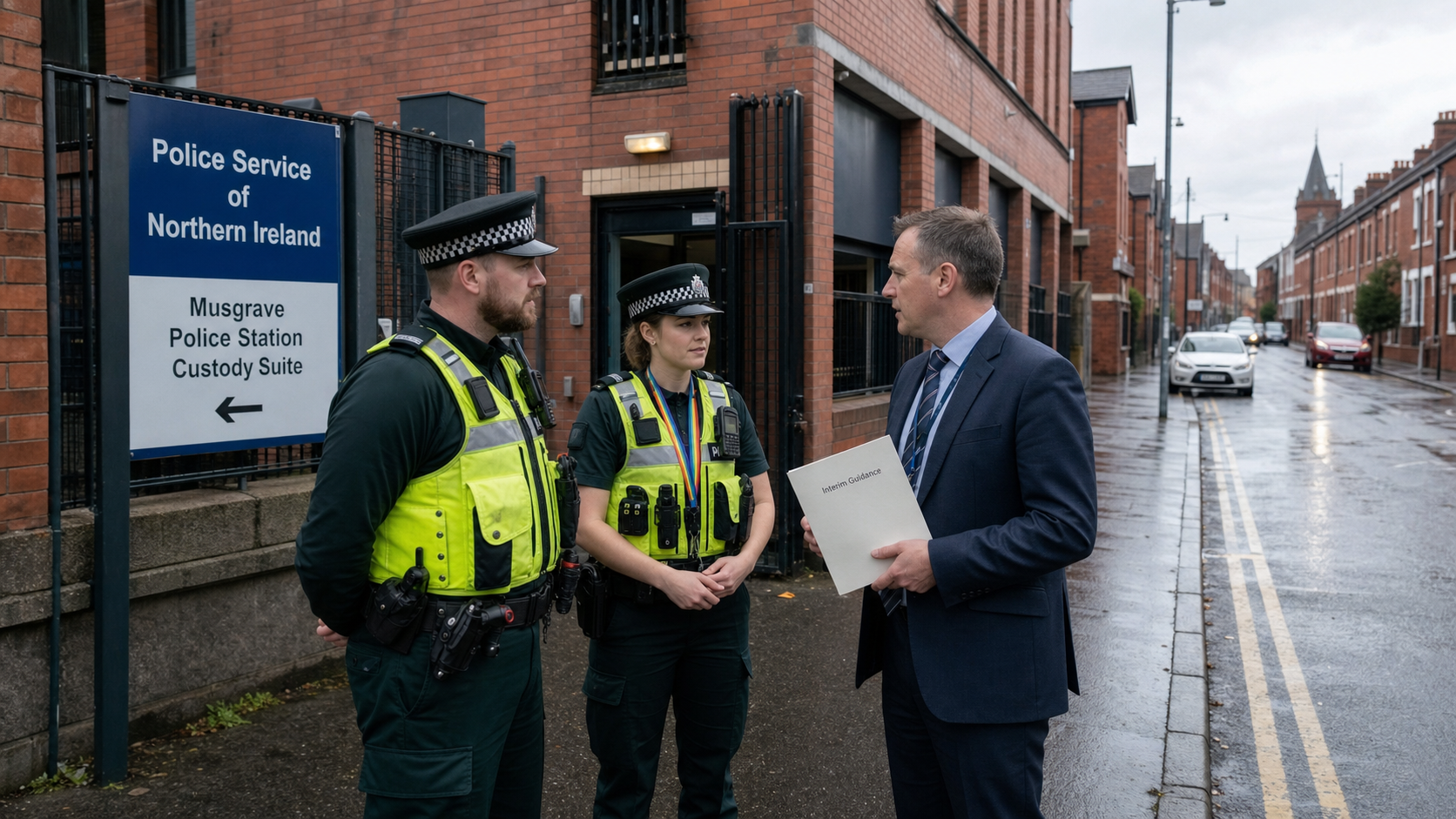
DUP Launches 'Unprecedented' Independent Review into Jeffrey Donaldson's Conduct and Party Knowledge
The Democratic Unionist Party has formally initiated what its leadership describes as an 'unprecedented' independent review into the conduct of former leader Jeffrey Donaldson following his conviction for historical sexual offences, with the inquiry tasked with establishing what was known within the party — and potentially within intelligence services — about his behaviour in the years before his arrest, in a process that could have profound consequences for Northern Ireland's largest unionist party.
Background
Jeffrey Donaldson served as leader of the Democratic Unionist Party from 2021 until his resignation in March 2024, when he was charged with a series of historical sexual offences. His tenure as leader was marked by significant political turbulence, including the DUP's withdrawal from the Stormont Executive in protest at the Northern Ireland Protocol and the subsequent Windsor Framework negotiations. He was widely regarded as one of the most experienced and strategically astute politicians in Northern Ireland, having served as a Member of Parliament for Lagan Valley since 1997 and as a Member of the Legislative Assembly since 2003.
Donaldson's arrest and subsequent conviction sent shockwaves through Northern Irish politics and the wider unionist community. The charges related to historical sexual offences committed over a period of years, and the case raised immediate questions about whether others within the DUP, or within the security and intelligence services, had been aware of his behaviour and had failed to act. These questions have been the subject of intense speculation and media scrutiny since his arrest, and the DUP has faced sustained pressure to provide a full and transparent account of what it knew and when.
The party's initial response to the crisis was widely criticised as inadequate, with many observers arguing that the DUP was too slow to acknowledge the gravity of the situation and too reluctant to commit to a genuinely independent inquiry. The appointment of a new leader, Gavin Robinson, who had previously served in the role before Donaldson's tenure, provided some stability, but the questions about institutional knowledge and accountability have continued to dog the party.
Key Developments
The formal initiation of the independent review marks a significant step in the DUP's attempt to address the fallout from the Donaldson conviction. The review has been described by party sources as 'unprecedented' in the context of Northern Irish political parties, reflecting both the gravity of the situation and the DUP's recognition that a thorough and credible process is essential to its long-term credibility. The terms of reference for the review are expected to be published in the coming days, but it is understood that the inquiry will examine the party's internal governance processes, the information available to party officials about Donaldson's conduct, and the adequacy of the party's response when concerns were raised.
The review will be conducted by an independent panel, the composition of which has not yet been announced. The DUP has indicated that it is seeking individuals with relevant expertise in governance, law, and safeguarding, and that the panel will have full access to party records and the ability to interview current and former party officials. The timeline for the review has not been specified, but party sources have indicated that an interim report is expected before the end of 2026.
The initiation of the review comes as the DUP continues to navigate a difficult political landscape, with the party's poll ratings having declined significantly in the wake of the Donaldson affair. The party faces competition from the Traditional Unionist Voice on its right flank and from the Ulster Unionist Party, which has sought to position itself as a more moderate and credible alternative to the DUP in the post-Donaldson era.
Why It Matters
The Donaldson review matters for reasons that extend well beyond the internal affairs of the DUP. The questions it will examine — about institutional knowledge, accountability, and the culture within political parties — are relevant to all of Northern Ireland's political institutions. If the review finds that concerns about Donaldson's conduct were known to party officials and were not acted upon, the implications for public trust in the DUP and in the broader political system will be severe. The review also has potential implications for the intelligence and security services, which have been the subject of speculation about what they may have known about Donaldson's behaviour. Any findings that touch on the conduct of the security services will inevitably raise questions about oversight and accountability that go beyond the DUP itself. For the unionist community, the review represents an opportunity to draw a line under one of the most damaging episodes in the history of unionist politics — but only if it is seen to be genuinely independent and thorough.
Local Impact
The Donaldson affair has had a profound impact on communities across Northern Ireland, particularly in the Lagan Valley constituency that he represented for nearly three decades. In towns such as Lisburn, Dromore, and Hillsborough, where Donaldson was a familiar and respected political figure, the revelations about his conduct have caused deep shock and distress. The DUP's local associations in these areas have faced difficult conversations with members and supporters about the party's future direction and its commitment to accountability. The review is expected to provide some of the answers that local communities are seeking, though many observers caution that no review process can fully repair the damage done to public trust by the Donaldson conviction. The DUP's performance in the Lagan Valley constituency at future elections will be closely watched as a barometer of how the unionist community has processed the affair.
What's Next
The terms of reference for the independent review are expected to be published within the next week, along with the composition of the review panel. The DUP has indicated that it will cooperate fully with the process and that all relevant party records will be made available to the panel. An interim report is expected before the end of 2026, with a final report anticipated in early 2027. The review's findings will be published in full, the party has said, though it has reserved the right to redact information that could prejudice any ongoing legal proceedings. The Police Service of Northern Ireland has confirmed that its own investigation into related matters remains ongoing and that the independent review will not impede or duplicate that process.