Dublin Crime Boss Arrested Over 2020 Murder of Gangland Figure Robbie Lawlor in Belfast
A 47-year-old Dublin man, widely referred to in reports as "Mr Big," has been arrested on an extradition warrant in connection with the murder of gangland criminal Robbie Lawlor, who was shot dead in north Belfast in April 2020 in a killing that shocked both sides of the border.
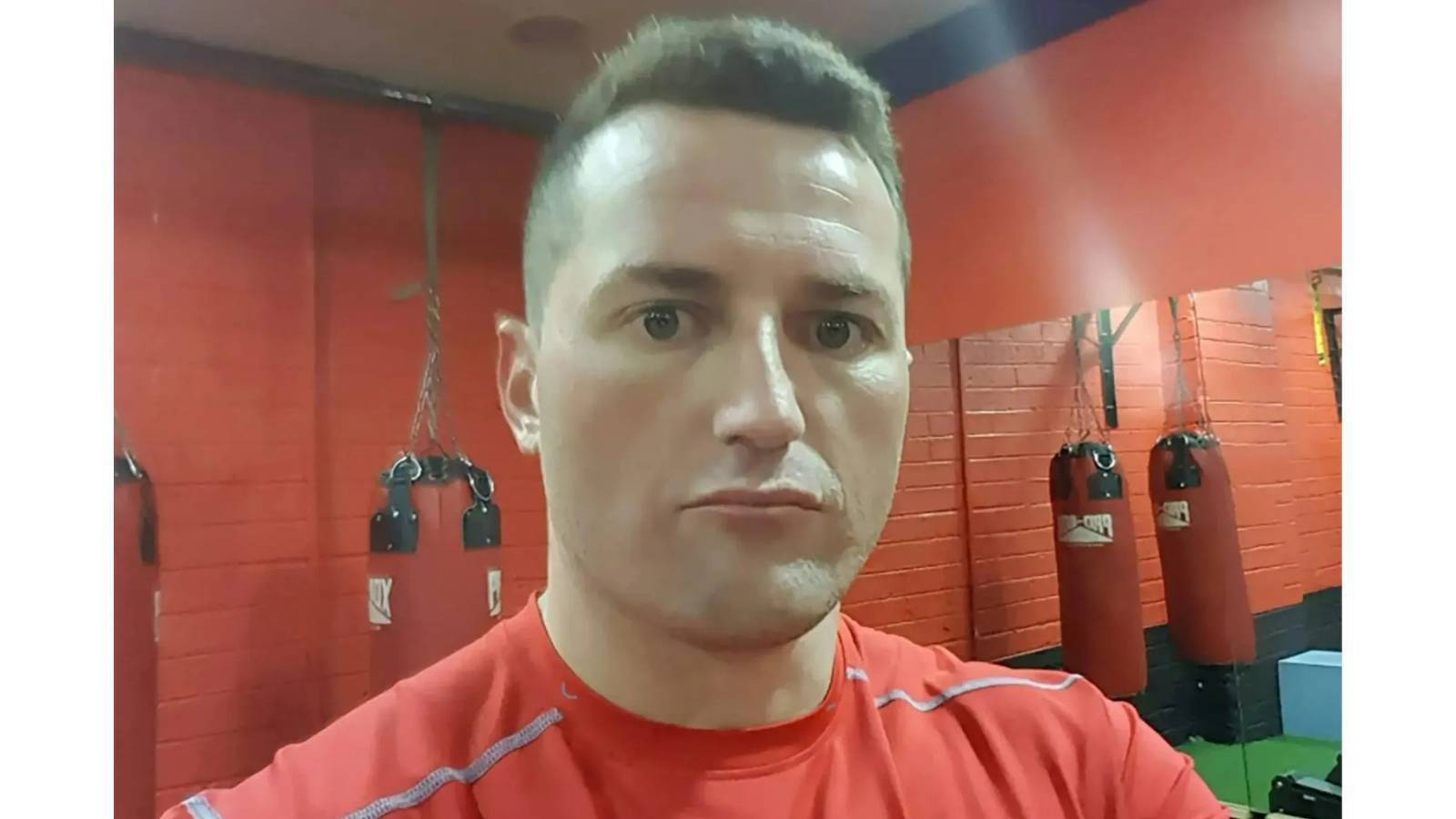
Jonathan Gill, arrested in Clontarf, Dublin, on 2 April 2026 by the Garda National Bureau of Criminal Investigation, appeared before the High Court in Dublin on Friday 3 April to face charges related to the murder. The court heard he is wanted in Northern Ireland on charges of murder and possession of a 9mm pistol with intent to endanger life. Gill was remanded in custody to Cloverhill Prison, with his extradition hearing scheduled for 21 April 2026.
Background
Robbie Lawlor was a notorious Dublin-based criminal with more than 100 convictions for offences ranging from drug possession to robbery. A prominent and deeply violent figure in the Drogheda drugs feud — a brutal gang war between two rival organised crime factions battling for control of the illegal drug trade in the region — Lawlor was the prime suspect in several murders, including the abduction, murder, and dismemberment of 17-year-old Keane Mulready-Woods in January 2020. That killing, which horrified communities on both sides of the border, is widely believed to have set in motion the chain of events that led to Lawlor's own death.
Lawlor was shot dead in broad daylight in the Ardoyne area of north Belfast on 4 April 2020, at the age of 35. The PSNI investigation concluded that the murder was orchestrated from Dublin and was linked to the violent, ongoing drugs feud with connections in Dublin, Sligo, and Drogheda. It is widely believed that Lawlor's killing was a direct act of retaliation for the murder of Mulready-Woods — a feud within a feud that claimed multiple lives and left communities across the island living in fear.
Key Developments
Investigators have reportedly used evidence from the infiltrated EncroChat criminal communications network, which allegedly implicates Gill in sanctioning the hit on Lawlor out of fear that Lawlor was planning to kill him first. The EncroChat network, used by organised crime groups across Europe before it was infiltrated by law enforcement in 2020, has been central to a number of high-profile prosecutions in Ireland and the UK in recent years, providing investigators with an unprecedented window into the communications of criminal organisations.
The arrested man is known to An Garda Síochána for his involvement in serious and organised crime and has been a target of the Criminal Assets Bureau. Two other men have already been charged in connection with the murder. The arrest represents a significant breakthrough in a cross-border investigation that has spanned six years, and demonstrates the long reach of law enforcement in pursuing those responsible for serious crimes, regardless of where they may have sought refuge.
The extradition warrant was issued under the Trade and Cooperation Agreement — the post-Brexit mechanism that replaced the European Arrest Warrant for extraditions between the UK and EU member states — marking a significant procedural development in cross-border law enforcement cooperation between Ireland and the United Kingdom.
Why It Matters
The case highlights the close operational cooperation between An Garda Síochána and the PSNI in tackling cross-border organised crime. It also underscores the ongoing threat posed by Dublin-based criminal networks operating across the island of Ireland, and the determination of law enforcement on both sides of the border to pursue those responsible for serious crimes. For the families of Robbie Lawlor's victims — and for the communities in Drogheda and north Belfast that have lived with the consequences of the feud — the arrest represents a measure of progress towards accountability.
The use of EncroChat evidence in this case also carries broader significance. The infiltration of the network by European law enforcement agencies has proven to be one of the most consequential operations in the history of organised crime policing, and its continued use in prosecutions years after the original operation demonstrates the enduring value of the intelligence gathered.
Local Impact
For communities in the Republic of Ireland, the arrest of a Dublin man in connection with a murder carried out in Belfast is a reminder of the extent to which organised crime operates without regard for borders or jurisdictions. The Drogheda feud, which has claimed multiple lives and terrorised communities in the north-east of Ireland, has had ramifications that stretch from Drogheda to Dublin to north Belfast. The cooperation between An Garda Síochána and the PSNI in pursuing this case is a model for how cross-border policing can work effectively, even in the complex post-Brexit environment.
What's Next
The extradition proceedings will now progress through the Irish courts, with Gill's hearing scheduled for 21 April 2026. The man is expected to contest the extradition request. If extradition is granted, he will be transferred to Northern Ireland to face charges. Full details of the arrest and court appearance are available via The Irish Times and ITV News UTV.