Dublin Airport Shatters All-Time Passenger Record in July as World Cup and Tourism Drive Historic Month
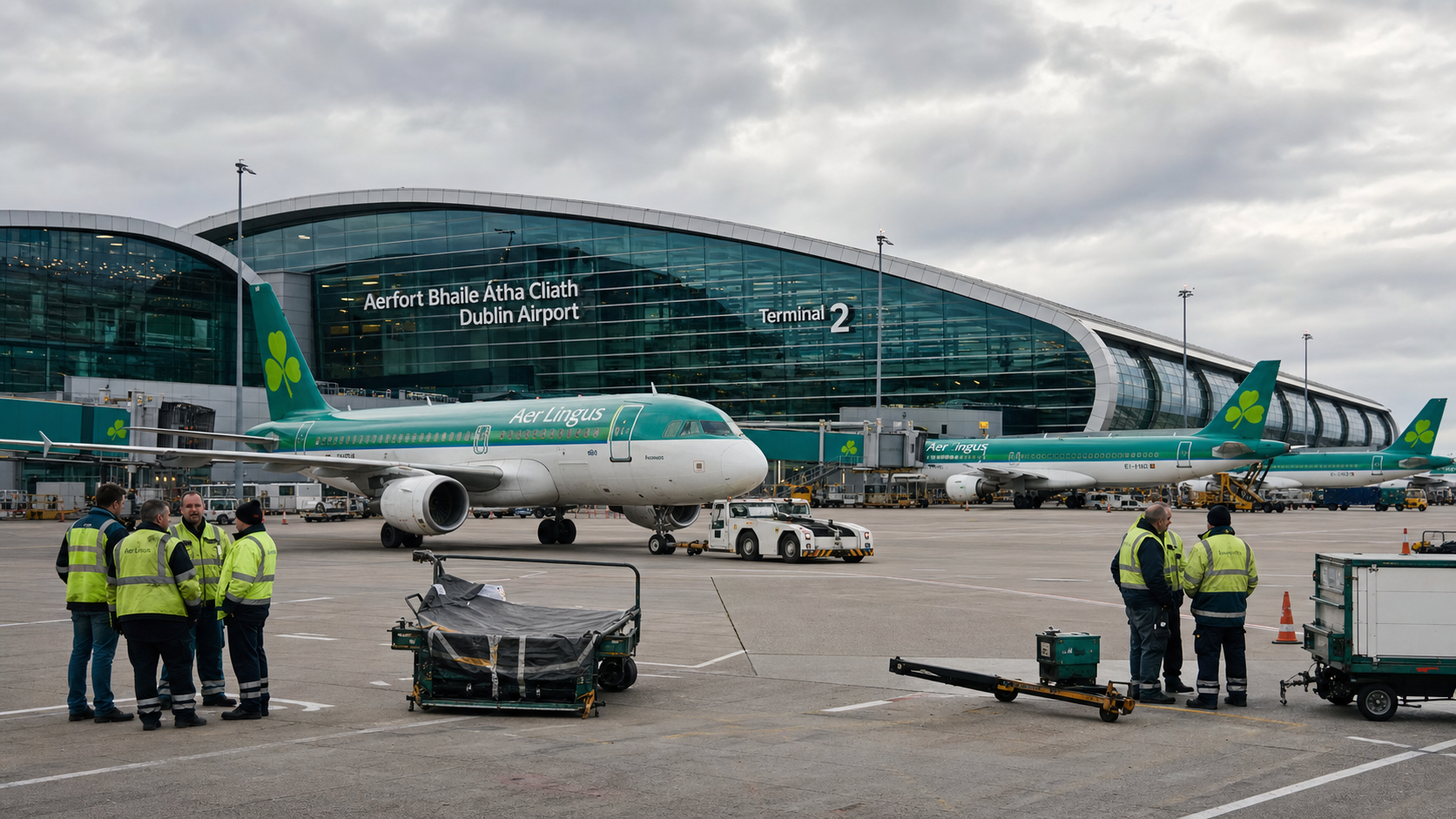
Dublin Airport processed a record 3,839,635 passengers in July 2026 — the busiest month in the airport's history — representing a 2.3% increase on the same month last year and marking the 16th consecutive month of passenger growth, driven by the peak summer travel season, the closing stages of the FIFA World Cup, and the beginning of Ireland's six-month Presidency of the Council of the European Union.
Background
Dublin Airport is one of the most strategically important pieces of infrastructure in Ireland, serving as the primary gateway for the millions of tourists, business travellers, and returning emigrants who pass through the country each year. The airport's US Preclearance facility — one of only a handful outside North America — gives it a unique competitive advantage on transatlantic routes, allowing passengers to clear US customs and immigration in Dublin before boarding their flights and arriving in the United States as domestic passengers. This facility has been a key driver of the airport's growth and has made Dublin a hub for transatlantic travel from across Europe.
The airport has been on a sustained growth trajectory for several years, recovering strongly from the pandemic-era collapse in passenger numbers and consistently setting new records as travel demand has rebounded. The 16th consecutive month of passenger growth recorded in July 2026 reflects both the underlying strength of demand for air travel and the airport's ability to handle increasing volumes of passengers efficiently.
The July 2026 record was achieved against a backdrop of significant external demand drivers. The FIFA World Cup, which was in its closing stages during the month, generated substantial demand from passengers across the UK and Europe who used Dublin's US Preclearance facility and extensive route network to travel to North America. Ireland's assumption of the EU Council Presidency also brought an increase in business travel, with government officials, diplomats, and lobbyists passing through the airport in greater numbers than usual.
Key Developments
The record 3,839,635 passengers in July 2026 represented an average of approximately 123,000 passengers per day. The busiest single day of the month was Sunday, 12 July, which saw 133,472 passengers pass through the airport — a figure that would have been unimaginable even a decade ago. Despite the record volumes, the airport's operational performance remained strong, with 93% of departing passengers clearing security screening in under 20 minutes — a figure that compares favourably with major European hub airports.
Year-to-date figures indicate that nearly 22 million passengers travelled through Dublin Airport during the first seven months of 2026, representing a 5.2% increase compared to the same period in 2025. The airport is on track to handle more than 37 million passengers for the full year 2026, which would represent a new annual record.
The record comes at a time when the airport's capacity constraints are a subject of ongoing political and regulatory debate. Legislation to lift the airport's 32 million annual passenger cap was signed into law in July 2026, though the cap had already been suspended by the High Court pending a legal challenge. The Dublin Airport Authority has welcomed the legislative change as a necessary step towards allowing the airport to meet the growing demand for its services.
Why It Matters
Dublin Airport's record July passenger numbers are a significant indicator of the health of the Irish tourism and aviation sectors, and they have direct implications for the broader economy. The airport is one of the largest employers in the Dublin region, and the businesses that depend on airport traffic — airlines, ground handlers, caterers, retailers, hotels, and car hire companies — all benefit from the sustained growth in passenger numbers. The record figures also strengthen the case for continued investment in the airport's infrastructure, including the long-delayed second terminal and the expansion of the runway capacity that will be needed to accommodate future growth.
The role of the FIFA World Cup in driving the July record is a reminder of the economic impact that major international sporting events can have on Ireland's aviation sector. The World Cup generated demand not just from Irish fans travelling to the tournament but from fans of other nations who used Dublin as a transit hub, and the airport's US Preclearance facility was a key factor in attracting that transit traffic.
Local Impact
The record passenger numbers have had a positive impact on businesses across the Dublin region and beyond. Hotels in Dublin city centre reported strong occupancy rates throughout July, and the hospitality sector — which has faced significant challenges in recent years — has benefited from the sustained increase in visitor numbers. The airport's ground transport links — including the Aircoach, Dublin Bus, and the Dart — have been under pressure during the peak summer period, and Transport for Ireland has indicated that it is reviewing its capacity on key routes to and from the airport. The record figures will also inform the Dublin Airport Authority's planning for future infrastructure investment, with the case for a second terminal strengthening with each new passenger record.
What's Next
The Dublin Airport Authority will publish its August passenger figures in September 2026, and analysts will be watching closely to see whether the record July performance can be sustained into the traditionally strong August period. The legal challenge to the airport's passenger cap is expected to be resolved in the coming months, with a High Court ruling anticipated before the end of 2026. The government's aviation policy review, which is examining the long-term capacity needs of Irish airports, is expected to publish its findings in the autumn, with recommendations for investment in Dublin Airport's infrastructure likely to be a central element of the report.