Donaldson Conviction Sends Political Earthquake Through DUP and Raises Questions About Stormont's Future
The unanimous conviction of Sir Jeffrey Donaldson on all 18 historical sexual offence charges has sent a political earthquake through Northern Ireland's unionist community, confronting the Democratic Unionist Party with an existential crisis of credibility and raising urgent questions about the stability of the Stormont institutions that Donaldson himself played a central role in restoring. Political analysts across the island are now examining what the verdict means for the DUP's future direction, for the broader landscape of unionist politics, and for the power-sharing Executive that has already endured years of turbulence.
Background
Jeffrey Donaldson's political career spanned more than three decades, during which he became one of the most recognisable and influential figures in Northern Ireland public life. He was first elected to Westminster in 1997 as an Ulster Unionist, and his defection to the DUP in 2003 — along with several colleagues — was a significant moment in the realignment of unionist politics that saw the DUP overtake the UUP as the dominant force in unionism. He rose steadily through the DUP ranks, serving as a minister in the Stormont Executive and as a senior figure in the party's Westminster group, before being elected leader in 2021 following the resignation of Arlene Foster.
As DUP leader, Donaldson navigated one of the most difficult periods in the party's history, managing the fallout from Brexit and the Northern Ireland Protocol, leading the party's boycott of the Stormont institutions, and eventually negotiating the Safeguarding the Union deal with the UK government that allowed the DUP to return to the Executive in February 2024. His arrest just weeks after that return, and his immediate resignation from the leadership, was a shock that the party has been struggling to process ever since.
The DUP under Gavin Robinson's leadership has been attempting to stabilise and move forward, but the party has faced persistent questions about what was known about Donaldson's behaviour and when. Those questions have not been fully answered, and the verdict will intensify the pressure on the party to provide a more complete account of its internal culture and the mechanisms — or lack thereof — for addressing concerns about those in positions of authority.
Key Developments
The political reaction to the verdict has been swift and, in its broad outlines, consistent across the parties. DUP leader Gavin Robinson expressed the party's shock and distress, while reaffirming its commitment to supporting victims of abuse. Sinn Féin's Michelle O'Neill, as First Minister, struck a measured tone, acknowledging the gravity of the verdict and expressing solidarity with the victims. Alliance leader Naomi Long, the SDLP's Colum Eastwood, and UUP leader Doug Beattie all issued statements in similar vein.
The more pointed political analysis has focused on what the verdict means for the DUP's future. The party has already been through a period of profound instability, losing its position as the largest unionist party in the 2022 Assembly election and facing a significant challenge from the TUV on its right flank. The conviction of its former leader on charges of this gravity adds another layer of crisis to a party that is already struggling to define its direction and purpose in a rapidly changing political landscape.
Political scientists have noted that the DUP's difficulties are not simply the product of the Donaldson affair but reflect deeper structural challenges facing unionism as a whole. The demographic changes in Northern Ireland — the growing Catholic and nationalist population, the rise of the Alliance Party as a cross-community force, the increasing number of people who identify as neither unionist nor nationalist — are reshaping the political landscape in ways that the DUP has not yet fully adapted to.
Why It Matters
The Donaldson verdict matters for Northern Ireland's politics in ways that go beyond the fate of a single party. The DUP has been the dominant force in unionism for more than two decades, and its stability — or instability — has direct implications for the functioning of the Stormont institutions. A DUP that is consumed by internal crisis, or that loses significant support to the TUV or other unionist parties, is a DUP that may struggle to fulfil its role as a constructive partner in the power-sharing Executive.
The verdict also raises broader questions about political culture in Northern Ireland. The peace process created institutions and structures, but it did not automatically create the culture of accountability and transparency that those institutions require to function well. The Donaldson case is a reminder that the structures of power-sharing can coexist with serious failures of personal and institutional accountability, and that the work of building a genuinely healthy political culture is far from complete. This is the third major political scandal to rock Stormont in a decade, following the RHI affair and the Nama controversy.
For the victims of Donaldson's abuse, the political analysis is secondary to the human reality of what they have experienced. Their courage in coming forward, and the justice that the verdict represents, deserves to be acknowledged and honoured.
Local Impact
In the DUP's heartlands — the unionist communities of east Belfast, north Antrim, and the rural areas of Down and Armagh — the verdict has been received with a mixture of shock, shame, and a determination to move forward. Local DUP councillors and Assembly members have been fielding calls from constituents who are struggling to process the news, and many have spoken of the need for the party to undertake a genuine process of reflection and renewal. The party's annual conference, scheduled for later in the year, is expected to be a significant moment in that process.
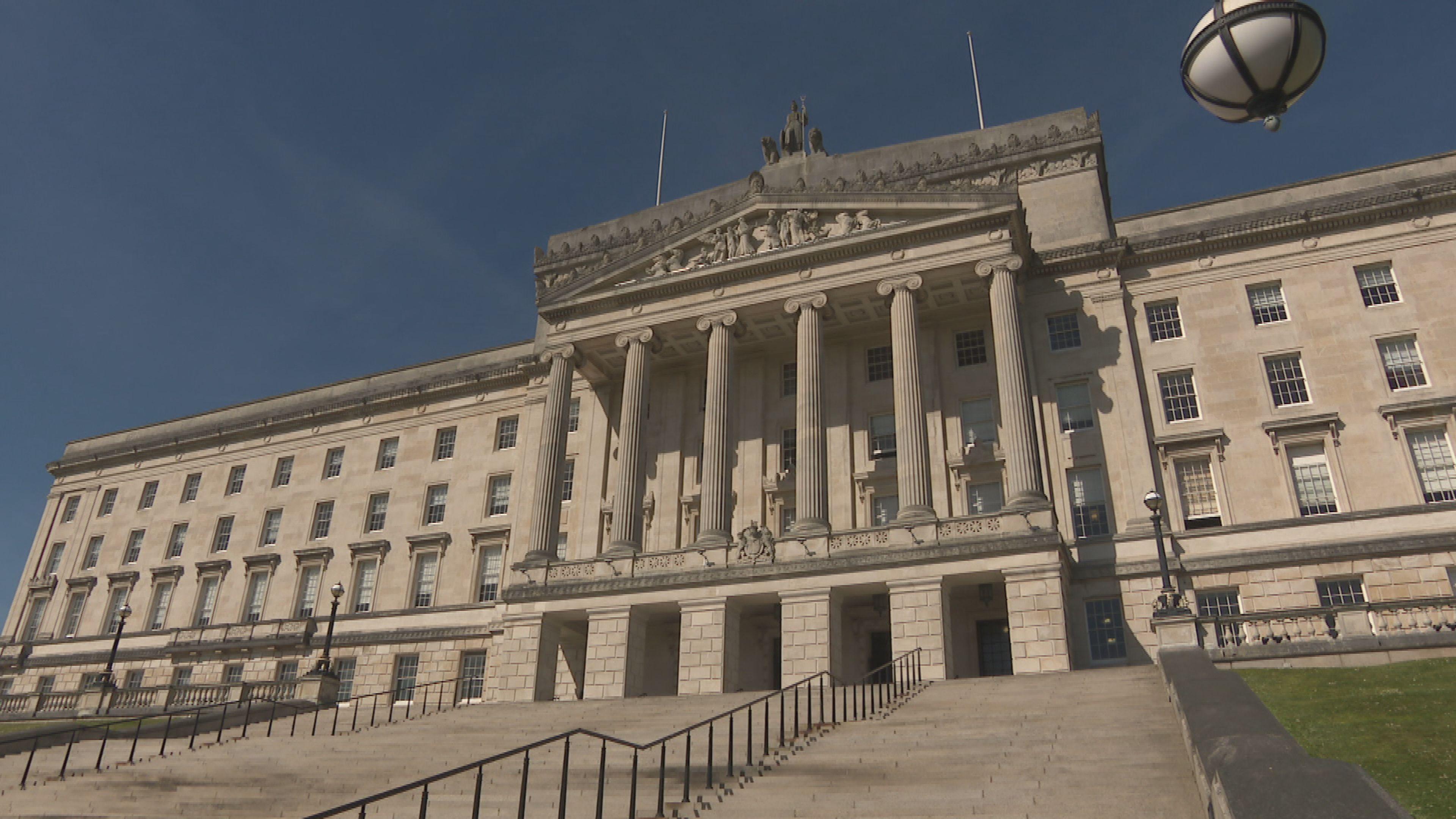
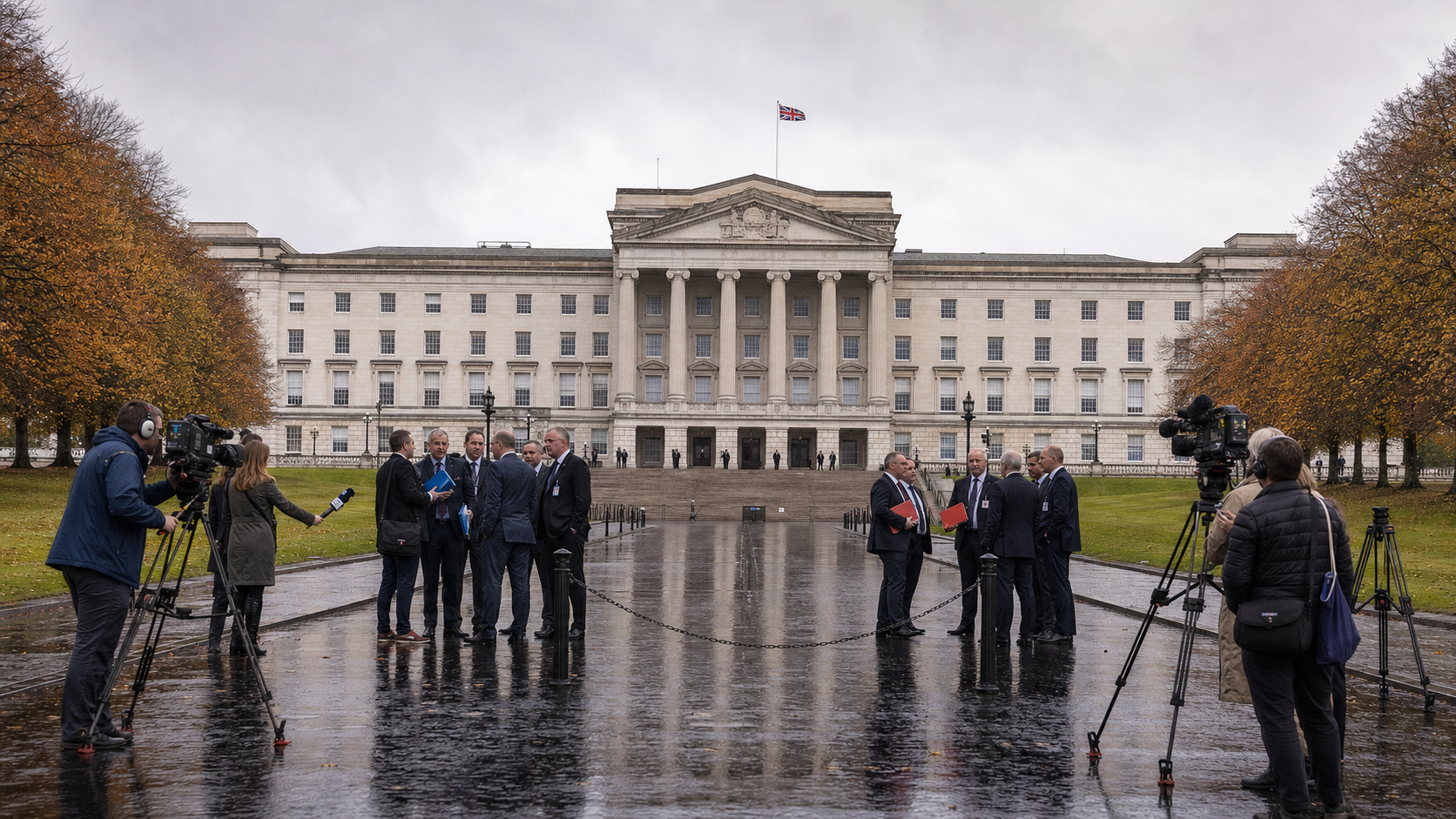
At Stormont, the immediate practical question is whether the Executive can continue to function effectively in the aftermath of the verdict. The DUP's ministers have indicated that they will continue to carry out their duties, and the other Executive parties have signalled their intention to maintain the institutions. But the political atmosphere at Stormont has been significantly darkened by the verdict, and the ability of the parties to work together constructively in the weeks ahead will be a test of the institutions' resilience.
What's Next
The DUP will face a period of intense internal reflection in the weeks and months ahead, with questions about the party's future direction, its relationship with the Stormont institutions, and its response to the Donaldson verdict all demanding answers. Gavin Robinson has indicated that he will lead the party through this period, but his own position may come under scrutiny if the party's poll ratings continue to decline. The sentencing of Donaldson, expected in the coming weeks, will provide another moment of public focus on the case and its implications. For Northern Ireland's political institutions, the challenge is to demonstrate that they can function effectively and maintain public confidence even in the face of a crisis of this magnitude.