Denis Donaldson Murder: Man Charged as Cold Case Investigation Reaches New Milestone
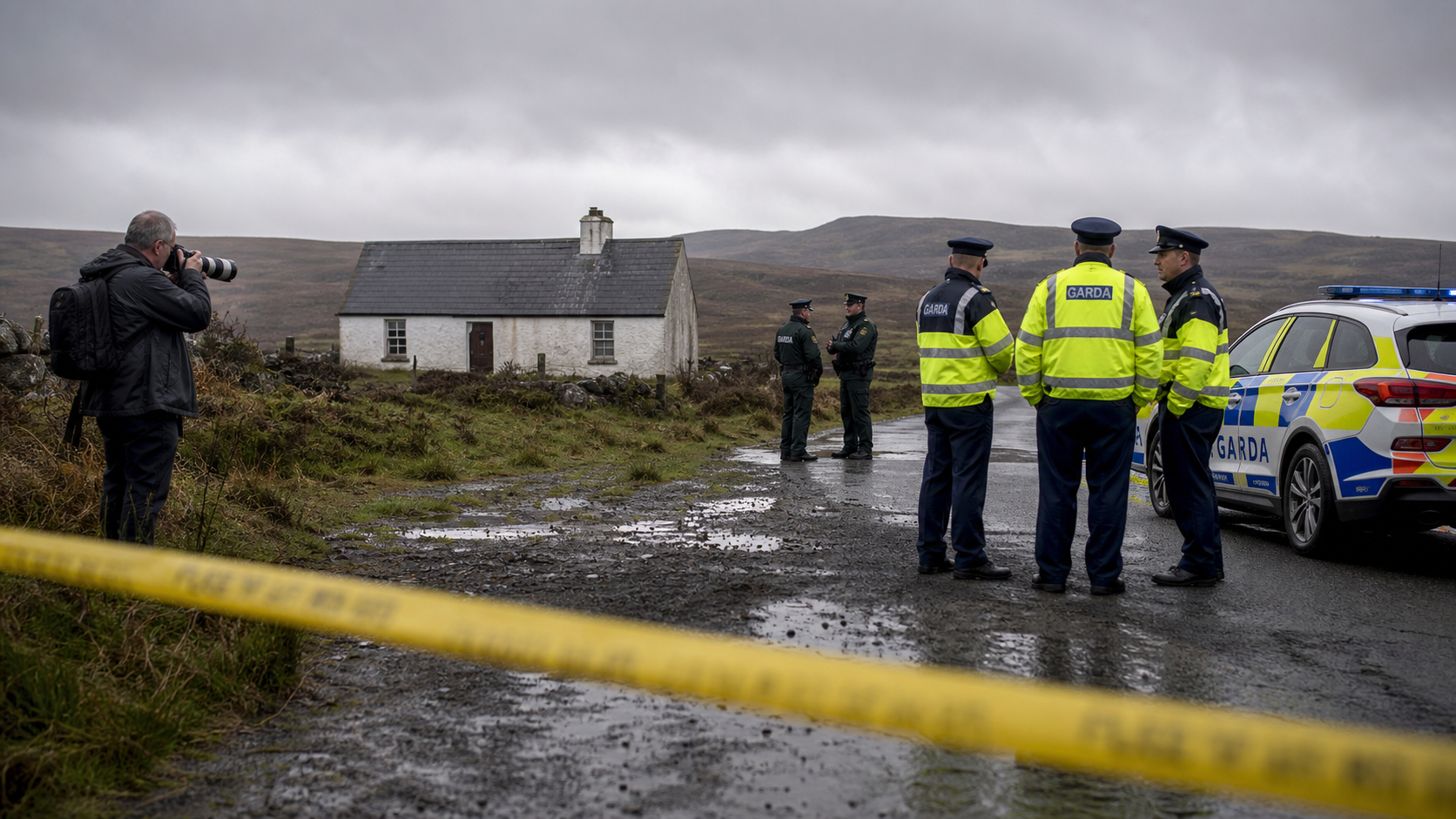
A man has been charged with the murder of Denis Donaldson, the British intelligence agent who was shot dead at his remote cottage in Glenties, County Donegal, in April 2006, in a development that marks a significant milestone in one of the most complex and politically sensitive cold cases in the history of the Irish State. Donaldson, a senior Sinn Féin official who had been exposed as an informer for British intelligence just months before his death, was found shot at his isolated home in the Donegal hills after he had retreated there following the exposure of his role as an agent.
Background
Denis Donaldson's story is one of the most extraordinary and tragic in the history of the Irish peace process. A senior figure in Sinn Féin who had been involved in republican politics since the 1970s, Donaldson was exposed in December 2005 as a British intelligence agent who had been passing information to his handlers for more than two decades. The revelation sent shockwaves through the republican movement and raised profound questions about the extent to which British intelligence had penetrated the highest levels of Sinn Féin.
Donaldson admitted his role as an agent in a brief public statement and then disappeared from public life, retreating to a remote cottage in Glenties, County Donegal, where he lived alone in the months following his exposure. In April 2006, he was found shot dead at the cottage. The Real IRA initially claimed responsibility for the killing, but subsequently withdrew that claim. The investigation into his murder has been one of the most complex and politically sensitive cold cases in the history of the Garda Síochána, involving questions about the activities of British intelligence, dissident republican groups, and the broader context of the peace process.
The case has been the subject of sustained investigation by the Garda Síochána over the past two decades, with a number of individuals arrested and questioned but no charges brought until now. The charging of a man in connection with the murder represents a significant development in an investigation that many had feared would never reach a conclusion.
Key Developments
A man has been charged with the murder of Denis Donaldson following an investigation by the Garda Síochána's Special Detective Unit. The details of the charge and the identity of the accused have been reported in the Irish media, and the case is expected to proceed to trial in the Special Criminal Court, which handles cases involving serious organised crime and terrorism-related offences.
The charging of a suspect in the Donaldson case comes at a time when the Garda Síochána has been making significant progress on a number of long-running cold cases related to the Troubles and its aftermath. The investigation into Donaldson's murder has been complicated by the political sensitivity of the case — the involvement of British intelligence, the questions about what various agencies knew about Donaldson's role as an agent, and the broader context of the peace process have all made it a uniquely challenging investigation.
The development has been welcomed by Donaldson's family, who have maintained throughout the years since his death that they deserve to know the truth about what happened to him and who was responsible. The family has been supported by a number of legal and advocacy organisations in their pursuit of justice, and the charging of a suspect is a significant step toward the accountability they have sought.
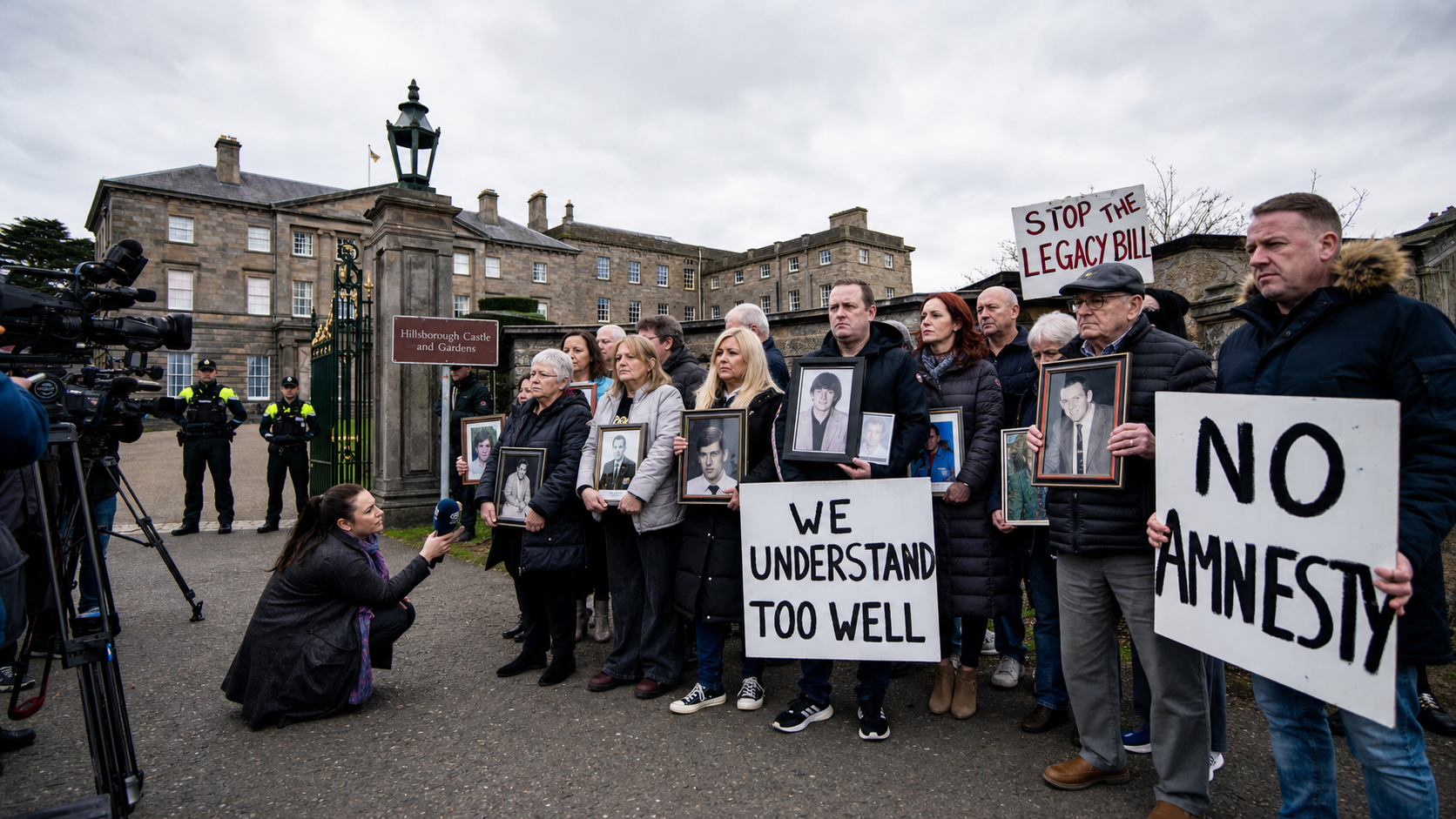
The case has also prompted renewed discussion about the broader question of legacy and accountability for crimes committed during and in the aftermath of the Troubles. The Legacy Act, which was passed by the UK government in 2023 and which has been the subject of sustained legal challenge, has created a complex and contested framework for addressing historical cases, and the Donaldson case sits at the intersection of that framework and the ongoing work of the Garda Síochána in the Republic.
Why It Matters
The Denis Donaldson case matters because it goes to the heart of some of the most difficult and unresolved questions about the peace process and the role of intelligence agencies in the conflict. Donaldson was not just a murder victim — he was a man whose life and death illuminate the murky world of informers, handlers, and the complex moral calculations that characterised the intelligence war during the Troubles. The charging of a suspect does not resolve those questions, but it does represent a step toward accountability that many had feared would never come. The case is also a reminder that the pursuit of justice for crimes committed during and after the Troubles is not just a matter of historical interest — it is a live and urgent concern for the families of victims who are still waiting for answers.
Local Impact
The impact of the Donaldson case is felt most directly in County Donegal, where he spent the final months of his life, and in the republican communities of Belfast and Dublin where he had been a prominent figure. The case has also had a significant impact on the broader republican movement, which has had to grapple with the implications of Donaldson's exposure as an agent and the questions it raises about the extent of British intelligence penetration of Sinn Féin. The charging of a suspect will be closely followed in these communities, and the trial — whenever it takes place — is likely to attract significant public and media attention.
What's Next
The case is expected to proceed to trial in the Special Criminal Court, though the timeline for the trial has not yet been confirmed. The accused is entitled to the presumption of innocence, and the trial will provide an opportunity for the evidence to be tested in open court. The Garda Síochána has indicated that the investigation into the broader circumstances of Donaldson's murder — including the question of who ordered the killing and why — remains ongoing. The family of Denis Donaldson has expressed hope that the trial will finally provide the answers they have been seeking for more than 20 years.