Dáil to Be Recalled on 28 August as Government Moves to Block Fuel Excise Increases Before September Deadline
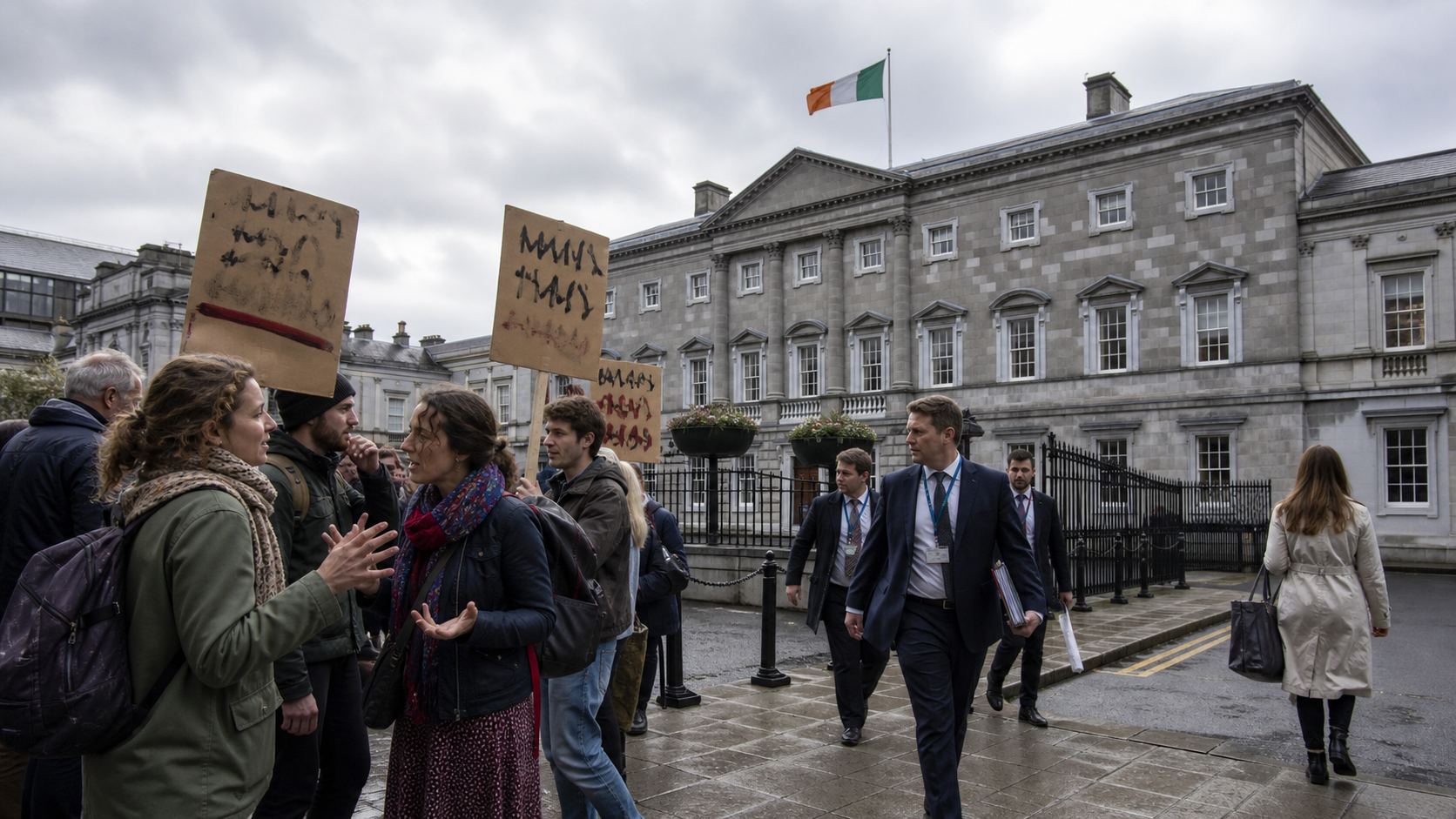
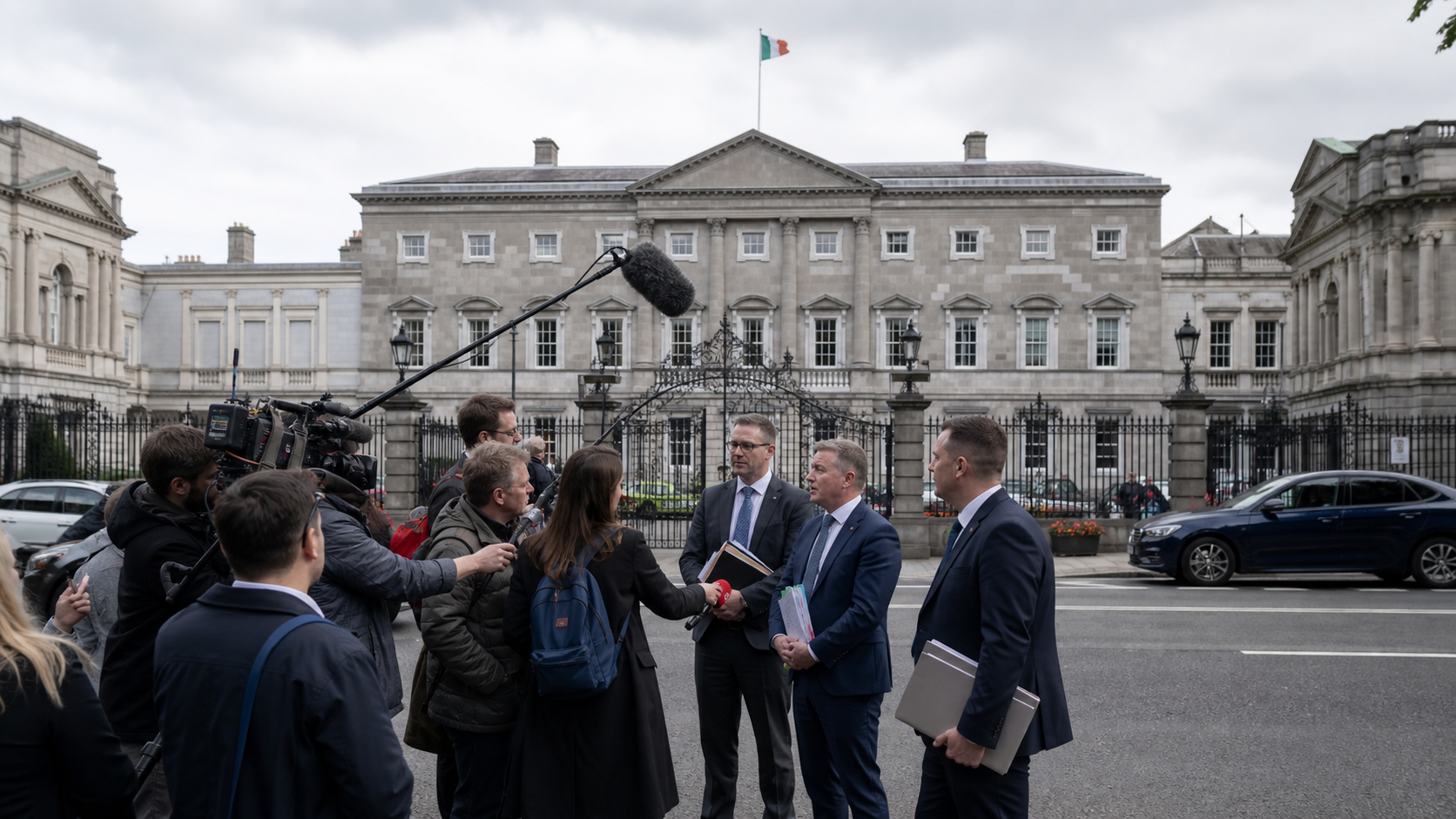
The Dáil is to be recalled on Friday, 28 August — three weeks ahead of its scheduled return on 16 September — to pass a financial resolution blocking planned fuel excise duty increases, after the government accepted opposition pressure led by Sinn Féin in a significant political concession that underlines the sensitivity of fuel costs as a political issue in the run-up to the October Budget.
Background
The decision to recall the Dáil early is a relatively rare occurrence in Irish political life, typically reserved for genuine national emergencies or situations where legislative action is required before the scheduled return from recess. The last significant early recall was during the Covid-19 pandemic, when emergency legislation required urgent Oireachtas approval. The decision to recall the Dáil to deal with a fuel excise issue — while significant — reflects the political weight that the government attaches to the cost-of-living agenda and its sensitivity to the charge that it is out of touch with the financial pressures facing ordinary households.
The fuel excise controversy has its roots in the spring of 2026, when a surge in global energy prices prompted widespread protests by hauliers and farmers. The government responded with a package of excise duty cuts worth approximately €750 million, reducing duty on diesel by 32 cents per litre and on petrol by 27 cents per litre. In June, the government established a "pathway" to gradually restore these cuts, with increases scheduled for 1 September and 1 October. However, the persistence of elevated energy prices — driven by the ongoing Iran conflict — made the planned increases politically untenable.
Sinn Féin leader Mary Lou McDonald formally wrote to the Taoiseach demanding an early Dáil recall, arguing that the government could not simply announce the deferral of the increases by press release without Oireachtas approval. The government initially resisted this argument but ultimately conceded, confirming the recall on Thursday.
Key Developments
The Dáil will sit on 28 August to pass a financial resolution formally deferring the planned excise increases. The resolution is expected to pass with broad cross-party support, as no party has publicly argued in favour of allowing the increases to proceed. The session is expected to be brief — a single day of business — with the Taoiseach and Minister for Finance making statements and taking questions before the resolution is put to a vote.
The political dynamics of the recall are interesting. Sinn Féin has claimed credit for forcing the government's hand, and the party's communications team has been quick to frame the recall as a victory for opposition pressure. The government, for its part, has sought to present the recall as a responsible and proactive response to changing economic circumstances rather than a capitulation to opposition demands. The distinction matters less than the political reality: the government has been seen to respond to public pressure on a cost-of-living issue, which is broadly positive for its standing with voters.
The recall also provides an opportunity for opposition parties to raise other cost-of-living issues — including energy prices, mortgage rates, and childcare costs — in the context of the Dáil debate. The government will be keen to keep the session focused on the narrow question of the excise resolution, while opposition parties will seek to use the occasion to press for broader action on household costs ahead of the Budget.
Why It Matters
The Dáil recall matters as a political signal as much as a legislative necessity. It demonstrates that the government is responsive to public pressure on cost-of-living issues — a message that is important to communicate in the months before a Budget that will be closely scrutinised for its impact on household finances. It also demonstrates that the opposition, and Sinn Féin in particular, retains the ability to shape the political agenda even from the opposition benches — a reminder that the government's majority, while comfortable, does not insulate it from political accountability.
The episode also raises broader questions about the government's fiscal strategy. The Irish Fiscal Advisory Council has warned of "sizeable" budgetary overruns in 2026, and the decision to defer excise increases adds to the fiscal pressure. The government will need to find savings or additional revenue elsewhere to maintain its fiscal targets — a challenge that will be central to the Budget negotiations over the coming weeks.
Local Impact
The political impact of the recall will be felt most acutely in constituencies where fuel costs are a significant household expense — which is to say, most of rural Ireland. In counties such as Donegal, Mayo, Roscommon, and Kerry, where public transport alternatives are limited and distances are significant, the decision to hold excise duty at current levels is a tangible benefit for constituents. TDs from these constituencies — across all parties — have been vocal in their support for the deferral, and the recall provides them with an opportunity to demonstrate their effectiveness to voters ahead of the next general election, which must be held by March 2027.
What's Next
The Dáil will sit on 28 August to pass the financial resolution. The Budget is scheduled for 14 October, and the fuel excise question will be a central issue in the pre-Budget negotiations. The government is expected to announce a longer-term approach to fuel taxation in the Budget, addressing the question of how to balance cost-of-living concerns with climate commitments. The Irish Fiscal Advisory Council's next assessment, expected in September, will provide an independent view of the fiscal implications of the excise deferral and the broader budgetary position.