Dáil Debates Housing Crisis as Rents Hit Largest Quarterly Rise Since 2002 and Homelessness Reaches Record
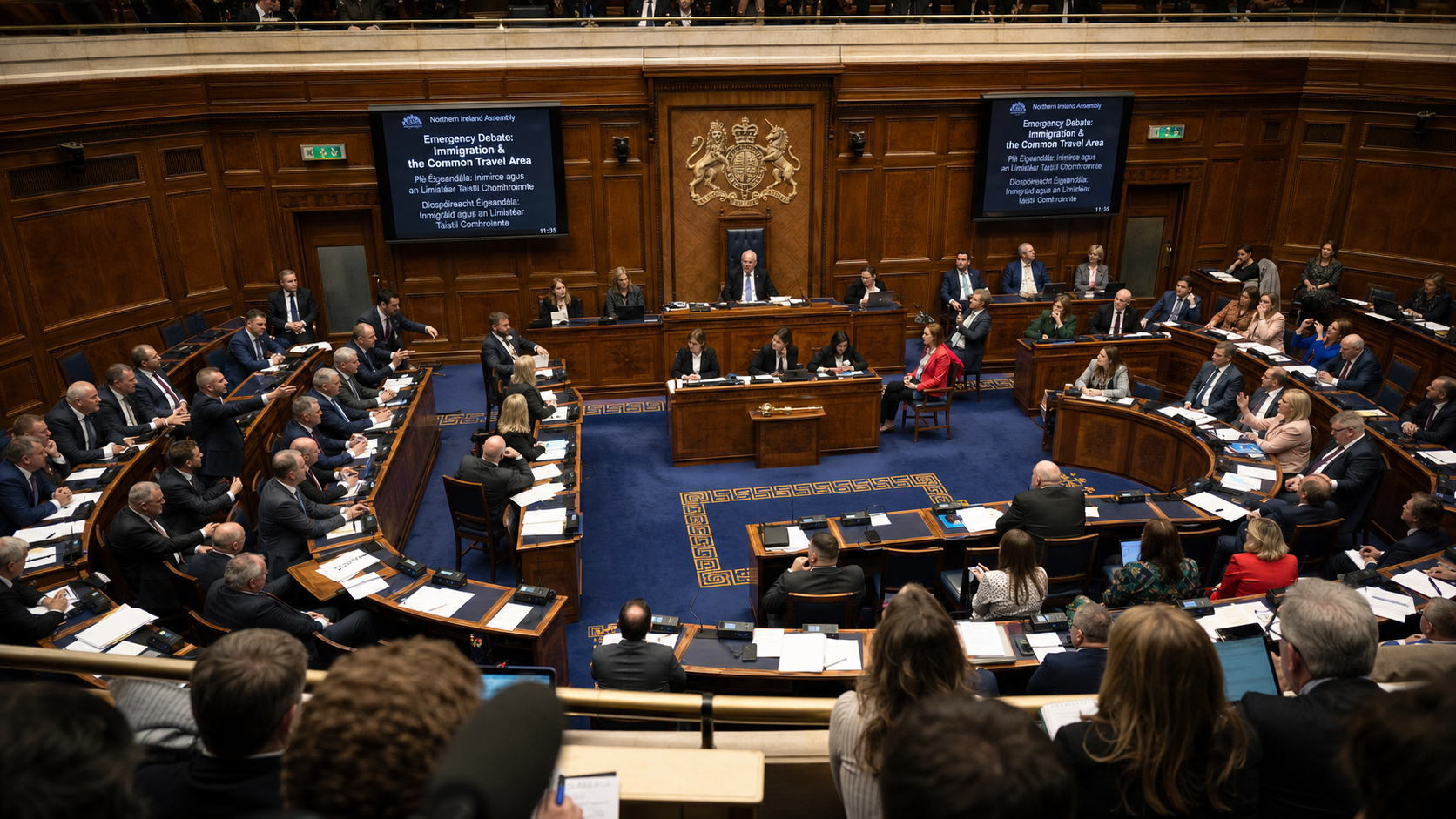
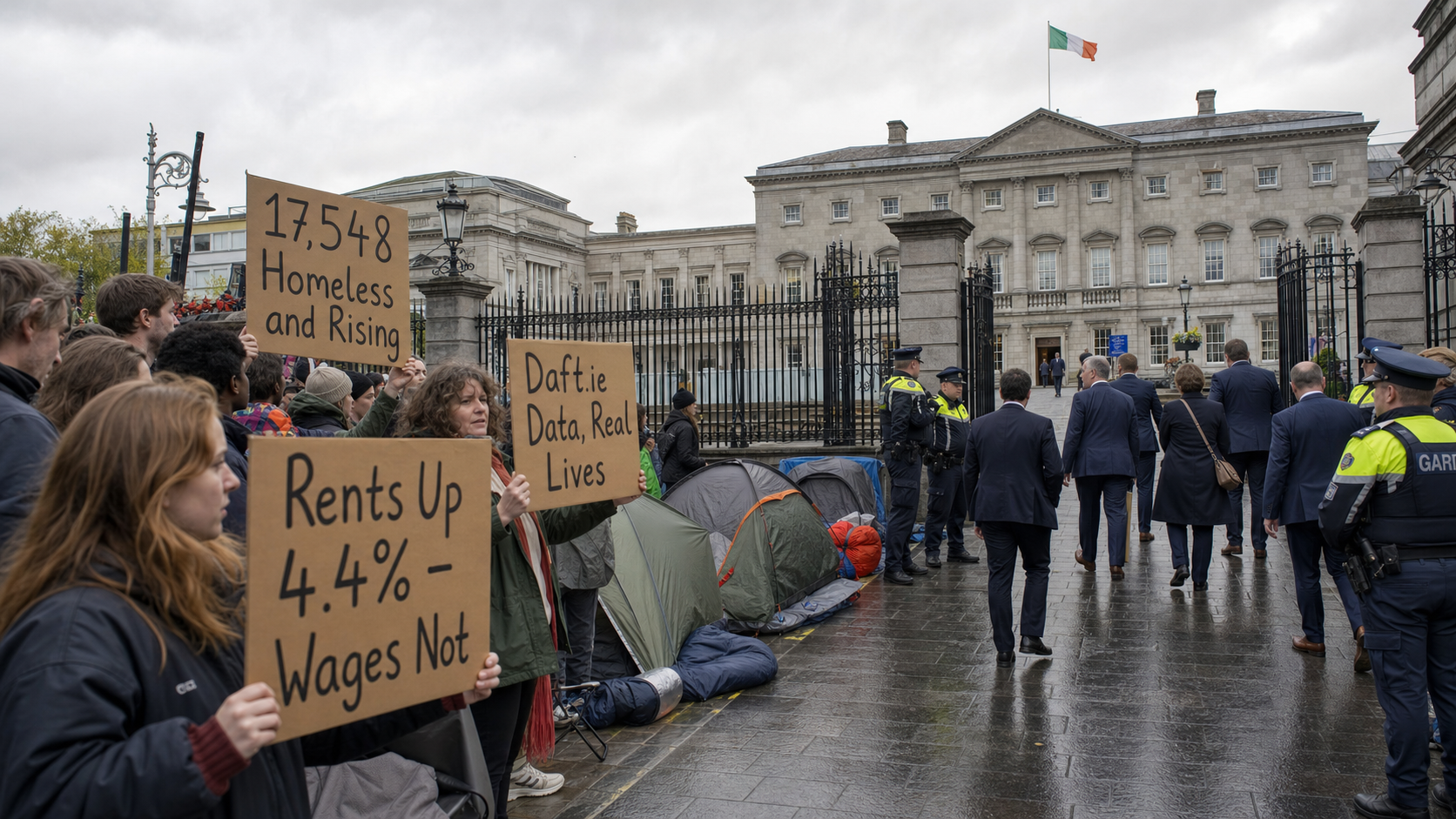
The Dáil has been dominated by the housing crisis this week, with Daft.ie data showing nationwide rents rose 4.4% between December 2025 and March 2026 — the largest quarterly increase since 2002 — as monthly homelessness figures hit a record 17,548, prompting fierce exchanges between the government and opposition parties over the adequacy of the state's response to what has become the defining domestic political issue of the decade.
Background
Ireland's housing crisis has been building for the better part of a decade, driven by a combination of factors that include chronic underinvestment in social housing during the austerity years, a planning system that has struggled to keep pace with population growth, a private rental market characterised by high rents and insecure tenancies, and a construction sector that has been unable to deliver homes at the scale required. The crisis has been the subject of successive government strategies, action plans, and legislative initiatives, but the fundamental metrics — rents, house prices, homelessness — have continued to worsen.
The Residential Tenancies Act, which took effect on 1 March 2026, was the government's most recent major legislative response to the crisis. The Act introduced six-year minimum tenancies, giving renters greater security of tenure, but it also allowed landlords to reset rents to market rates on new tenancies — a provision that critics argued would accelerate rent increases rather than slow them. The Daft.ie data published this week appears to vindicate those critics: the 4.4% quarterly increase is the largest since 2002, and it has occurred in the first quarter after the Act came into force.
The government's defence is that the Act's full effects will take time to materialise, and that the headline rent figures are distorted by the concentration of new tenancies in high-demand urban areas. It also points to the 36,000 new homes built in 2025 — the highest figure since 2011 — as evidence that the supply-side response is beginning to have an effect. However, with demand estimated at 44,000-50,000 homes annually, the supply gap remains significant.
Key Developments
The Dáil debates this week have been characterised by a level of intensity that reflects the political salience of the housing issue. Opposition parties — Sinn Féin, Labour, the Social Democrats, and People Before Profit — have united in condemning the government's record, with particular focus on the record homelessness figures and the new residency requirements for homeless services. Sinn Féin housing spokesperson Eoin Ó Broin has described the government's approach as "a failure of historic proportions."
The government's response has been led by Housing Minister James Browne, who has defended the Residential Tenancies Act and pointed to the 36,000 new homes built in 2025 as evidence of progress. He has also highlighted the €9 billion housing allocation in Budget 2026 and the €2.5 billion defects remediation scheme for up to 100,000 properties. However, opposition TDs have argued that these figures, while significant, are insufficient to address the scale of the crisis.
Labour leader Ivana Bacik has raised the issue of nearly 200 vacant HSE properties that could potentially be used to provide housing for homeless people, accusing the HSE of "indifference" to the housing crisis. The HSE has indicated that it is reviewing the properties, but has not committed to a timeline for bringing them into use. The exchange has highlighted the disconnect between different arms of the state in their response to the housing emergency.
Why It Matters
The housing crisis is not merely a policy failure — it is a social emergency with profound consequences for individuals, families, and communities across Ireland. The record homelessness figures represent real people — including thousands of children — living in emergency accommodation, often in conditions that are wholly unsuitable for family life. The rent increases documented by Daft.ie represent real financial pressure on hundreds of thousands of households, many of whom are spending well over a third of their income on housing costs.
The political consequences of the crisis are also significant. Housing has been the dominant issue in Irish politics for several years, and it played a major role in the 2024 general election. The government's ability to demonstrate progress on housing will be a key determinant of its electoral prospects, and the record homelessness figures and rent increases provide powerful ammunition for the opposition.
Local Impact
In Dublin, where the housing crisis is most acute, the Dáil debates have been followed closely by housing advocates, frontline workers, and the thousands of people directly affected by the crisis. The Dublin Region Homeless Executive has warned that the emergency accommodation system is at capacity, and that the introduction of the residency requirement for homeless services is adding to the pressure. In Cork, Galway, and Limerick, local authorities are also reporting record numbers of people in emergency accommodation, with the private rental market in all three cities under severe pressure.
What's Next
The Dáil is expected to hold a dedicated housing debate before the summer recess, with opposition parties planning to table motions calling for emergency measures including a rent freeze and the suspension of the new residency requirement for homeless services. The government has indicated that it will publish a mid-year review of the housing strategy in July, with updated targets for new home completions and social housing delivery. Budget 2027 will be the next major opportunity for increased investment in housing, and all parties are expected to make housing a central element of their pre-budget submissions.