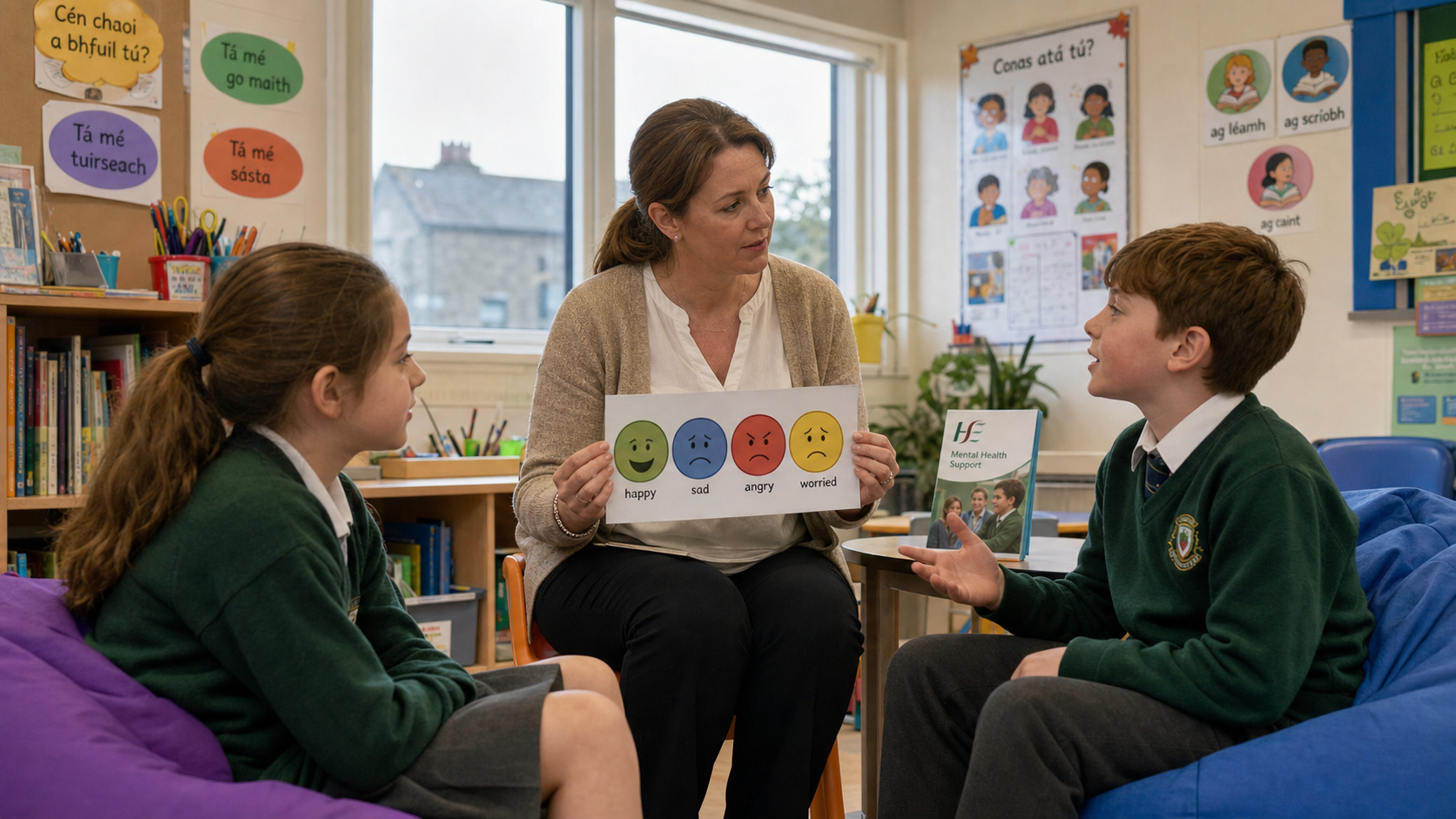
Counselling Shown to Help Children Regulate Emotions as HSE Expands School-Based Mental Health Services
A new report has found that counselling significantly helps children regulate their emotions and improve their mental wellbeing, providing robust evidence-based support for the HSE's ongoing expansion of school-based mental health services. The findings, published on Wednesday, come as demand for child and adolescent mental health services continues to outpace supply across Ireland, with waiting lists for CAMHS appointments extending to more than a year in some areas.
Background
Child and adolescent mental health has become one of the most pressing public health challenges in Ireland over the past decade. The prevalence of anxiety, depression, and other mental health conditions among young people has increased significantly, driven by a combination of factors including social media use, academic pressure, family stress, and the lasting psychological impact of the Covid-19 pandemic and its associated restrictions.
The HSE's Child and Adolescent Mental Health Services — known as CAMHS — provide specialist mental health care for young people up to the age of eighteen. However, the service has been chronically under-resourced relative to demand, with waiting lists that have been a source of sustained criticism from families, advocacy groups, and opposition politicians. A 2023 review of CAMHS found significant problems with the quality and consistency of care provided, and the HSE has been implementing a reform programme in response.
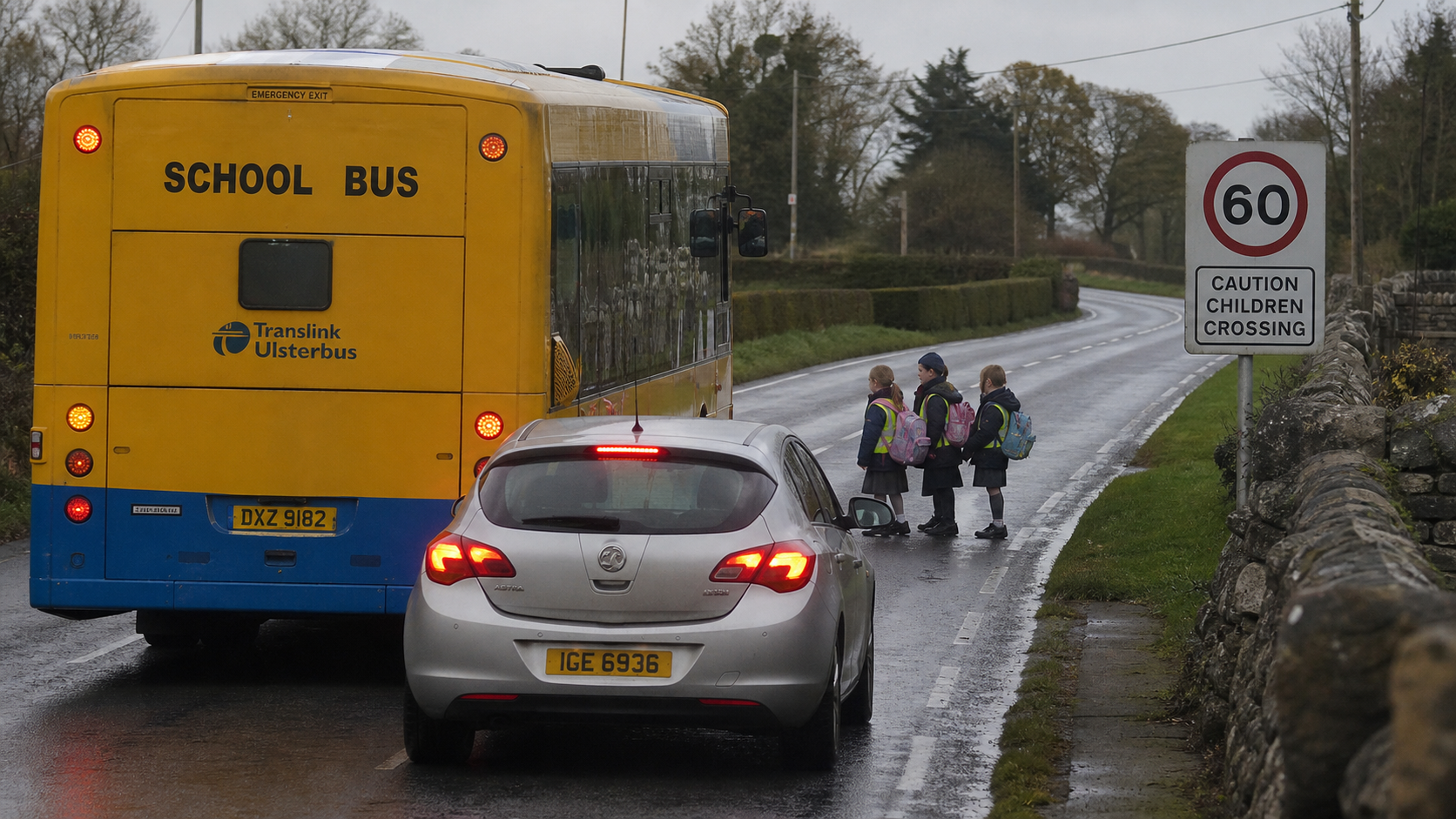
School-based counselling services — provided through the National Educational Psychological Service and through a range of HSE and voluntary sector programmes — offer a more accessible and less stigmatised form of mental health support for young people. By locating counselling services within schools, the programmes aim to reach young people who might not otherwise seek help and to provide early intervention before problems escalate to the point where specialist CAMHS input is required.
Key Developments
The new report, published by the HSE's National Office for Mental Health, analysed data from more than 5,000 children who had received counselling through school-based programmes over a three-year period. The findings showed that children who completed a course of counselling demonstrated significant improvements in their ability to regulate their emotions, to manage anxiety, and to maintain positive relationships with peers and family members.
The improvements were most pronounced among children aged eight to twelve — a finding that supports the case for early intervention and that has implications for the allocation of resources within the school-based counselling programme. Children who received counselling in primary school showed better outcomes than those who first accessed support in secondary school, suggesting that earlier intervention is more effective.
The report also found that the benefits of counselling were sustained over time, with follow-up assessments conducted six months after the completion of a counselling programme showing that the improvements in emotional regulation had been maintained. This finding is significant because it addresses a common concern about the effectiveness of short-term counselling interventions — namely, that any benefits are temporary and do not persist once the therapeutic relationship ends.
The HSE has announced that it will use the findings to inform the expansion of school-based counselling services, with a particular focus on increasing provision in primary schools and in areas of socioeconomic disadvantage where the need is greatest. The expansion will be funded through the government's Sláintecare implementation programme, with additional resources expected to be announced as part of Budget 2027.
Why It Matters
The evidence that counselling helps children regulate their emotions matters because emotional regulation is one of the most fundamental skills for long-term mental health and social functioning. Children who struggle to regulate their emotions are at significantly higher risk of developing anxiety disorders, depression, and behavioural problems in adolescence and adulthood. Early intervention — through counselling and other evidence-based approaches — can interrupt this trajectory and set children on a more positive developmental path.
The findings also matter because they provide a clear evidence base for investment in school-based mental health services at a time when the government is under pressure to demonstrate that its mental health spending is producing measurable outcomes. The HSE's mental health budget has increased significantly in recent years, but the translation of that investment into improved outcomes for young people has not always been clearly demonstrated. The new report provides exactly the kind of evidence that policymakers need to justify continued and expanded investment.
Local Impact
The expansion of school-based counselling services will be felt across Ireland, but the impact will be most significant in areas where access to mental health support has historically been most limited. Rural communities, where CAMHS waiting lists are longest and where the distance to specialist services is greatest, stand to benefit particularly from the expansion of school-based provision. In Dublin, where the concentration of disadvantaged communities in certain areas creates particular mental health challenges, the focus on socioeconomic disadvantage in the expansion programme is especially welcome. The HSE's six health regions have been asked to develop local implementation plans for the expansion, with progress to be reviewed at six-monthly intervals.
What's Next
The HSE will publish a detailed implementation plan for the expansion of school-based counselling services before the end of September 2026. The plan will set out the number of additional counsellors to be recruited, the schools to be prioritised for new or expanded services, and the timeline for delivery. Budget 2027, due in October, is expected to include a specific allocation for the expansion, with the Minister for Health having indicated that school-based mental health services are a priority for the coming year. A further review of the programme's outcomes is planned for 2028.