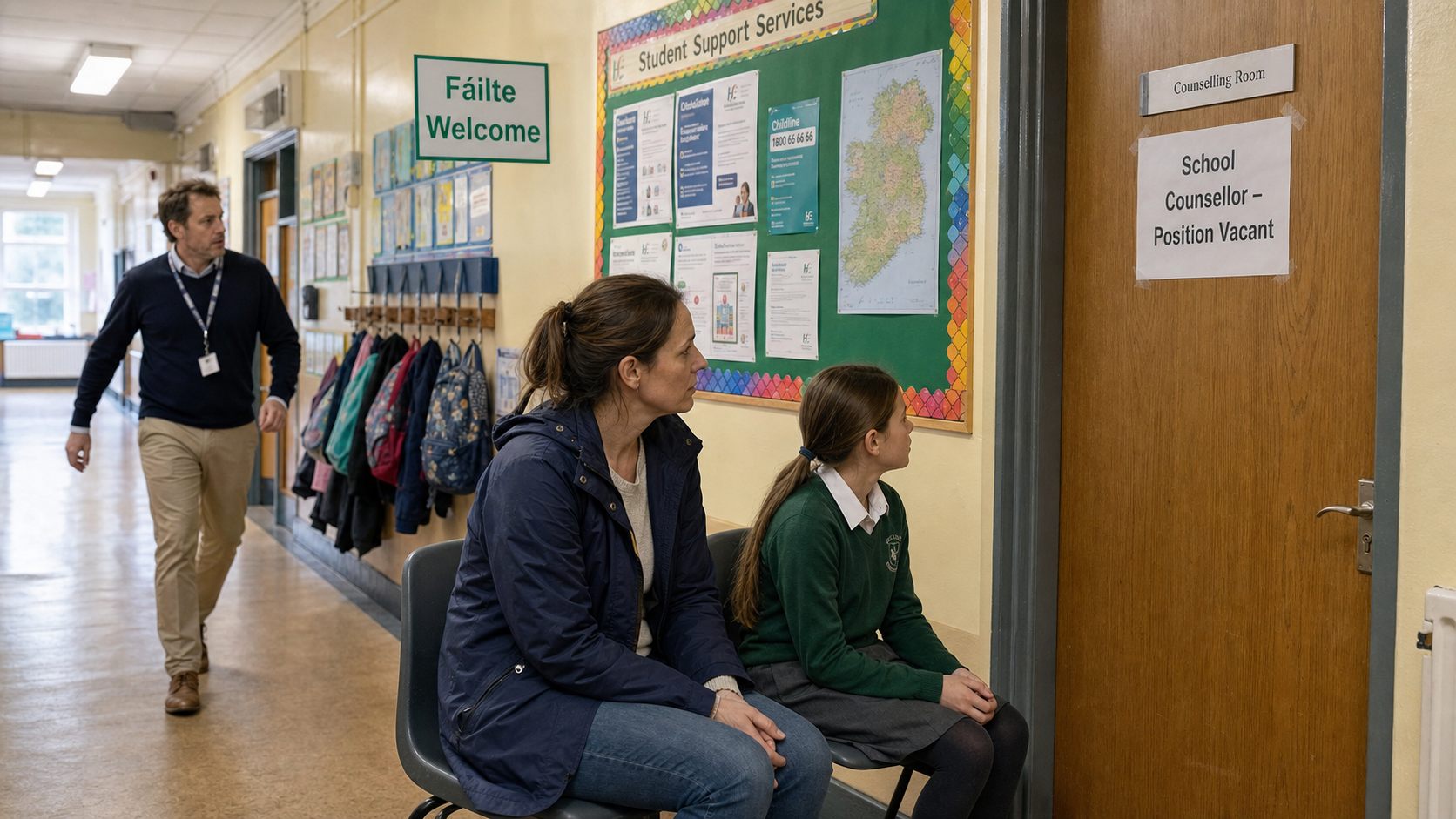
Counselling Plan for Schoolchildren Shelved as Mental Health Professional Shortage Bites
A government plan to provide counselling services for schoolchildren across Ireland has been shelved due to a critical shortage of qualified mental health professionals, leaving tens of thousands of young people without access to the psychological support they need at a time when demand for children's mental health services is at an all-time high and waiting lists for existing services stretch to years rather than months.
Background
The mental health of children and young people in Ireland has been a growing concern for policymakers, educators, and health professionals for more than a decade. Rates of anxiety, depression, and self-harm among young people have risen significantly, a trend that was accelerated by the Covid-19 pandemic and its associated disruptions to education, social life, and family stability. The demand for child and adolescent mental health services has outpaced supply for years, and waiting lists for CAMHS — the Child and Adolescent Mental Health Service — have been a persistent source of controversy and concern.
Against this backdrop, the government announced a plan to provide counselling services in schools, recognising that the school setting offers a unique opportunity to reach young people who might not otherwise access mental health support. The plan was welcomed by teachers, parents, and mental health advocates as a potentially transformative intervention that could provide early support to young people before their difficulties escalated to the point of requiring specialist clinical intervention.
The shelving of the plan is therefore a significant setback, and the reason given — a shortage of qualified mental health professionals — reflects a broader crisis in the Irish mental health workforce that has been building for years and that successive governments have failed to adequately address.
Key Developments
The Irish Times has reported that the counselling plan has been shelved due to the inability to recruit sufficient numbers of qualified counsellors and psychologists to staff the programme. The mental health professional workforce in Ireland is under severe strain, with high rates of burnout, significant competition from the private sector, and a pipeline of newly qualified professionals that is insufficient to meet the growing demand for services.
The decision has been criticised by opposition politicians, teachers' unions, and mental health advocacy groups, who argue that the government should have anticipated the workforce challenge and taken steps to address it before announcing the plan. The Irish Association for Counselling and Psychotherapy has called for an emergency workforce development plan that would increase the number of training places for counsellors and psychologists and improve the pay and conditions of those working in the public sector.
Why It Matters
The shelving of the school counselling plan is a symptom of a deeper failure in Irish mental health policy: the persistent gap between the ambition of policy announcements and the capacity to deliver on them. Ireland has a long history of announcing mental health initiatives that are subsequently delayed, scaled back, or abandoned due to workforce and funding constraints. The consequences of that failure are borne by the young people who need support and cannot access it — and by the families, teachers, and communities who are left to manage the consequences of untreated mental health difficulties. The economic cost of poor mental health in young people — in terms of educational underachievement, reduced employment prospects, and increased demand for health and social services in later life — is also substantial, and the failure to invest in early intervention is therefore not just a moral failure but a financial one.
Local Impact
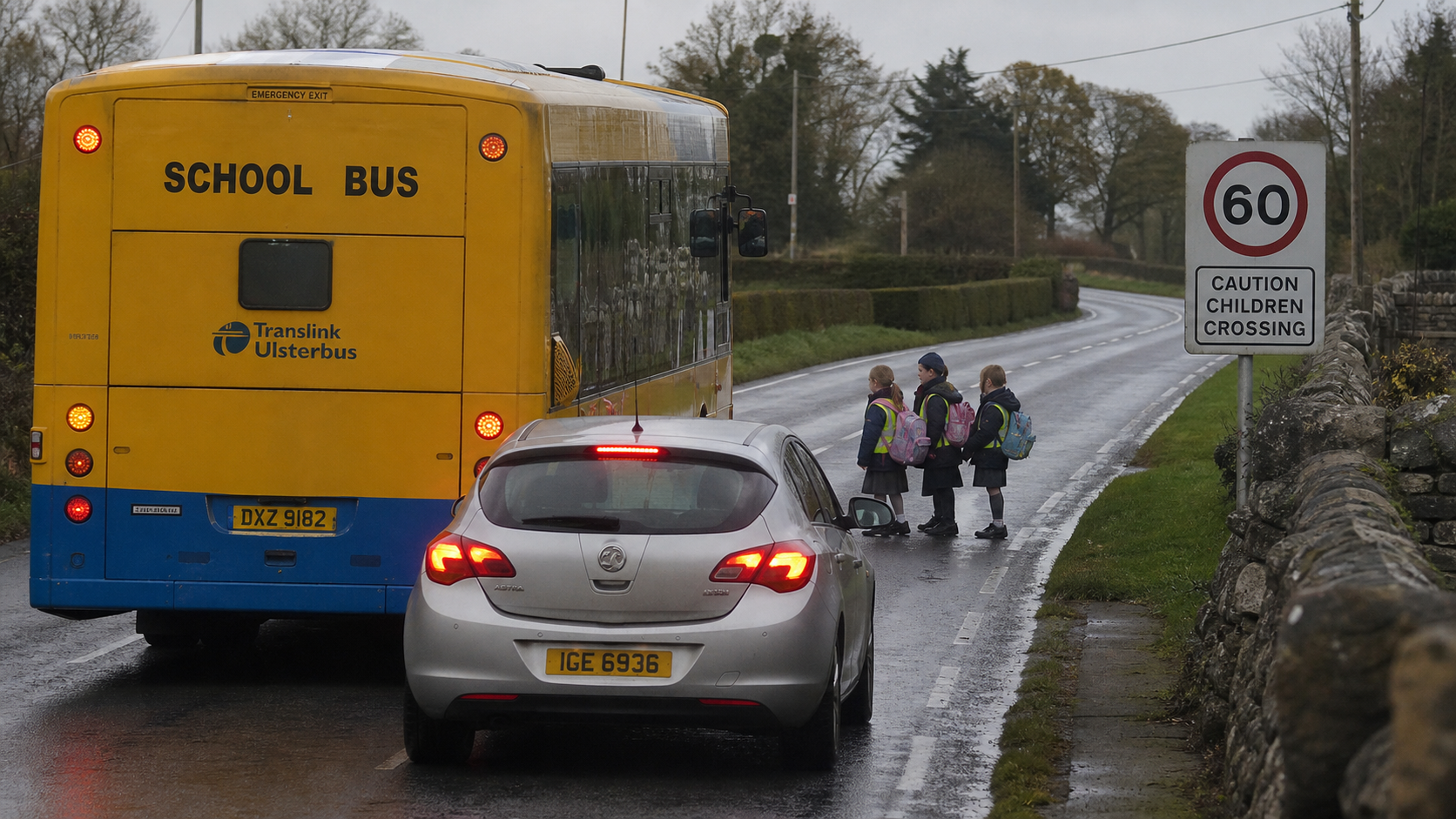
In schools across Ireland, teachers and school counsellors are already stretched beyond their capacity to support students with mental health difficulties. The shelving of the counselling plan means that the burden will continue to fall on existing school staff, many of whom have received limited training in mental health support and who are managing their own significant workload pressures. In rural areas, where access to private counselling services is limited and public services are often even more stretched than in urban centres, the impact of the decision will be particularly acute. Parents of children with mental health difficulties have expressed anger and frustration at the news, with many describing the situation as a crisis that is being managed with inadequate resources.
What's Next
The Department of Education has indicated that it is working to develop an alternative approach to providing mental health support in schools that can be implemented within the constraints of the current workforce. A review of the mental health professional workforce is expected to be published in the autumn, and the government has indicated it will consider the findings before making further announcements about school counselling provision. Mental health advocacy groups have called for the review to be completed urgently and for its recommendations to be implemented without further delay.