Belfast Disorder Sparks CTA Diplomatic Row as UK Announces £3.7bn Immigration Enforcement Drive
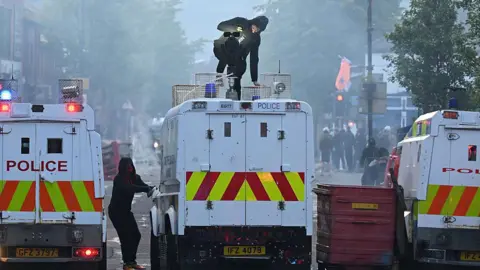
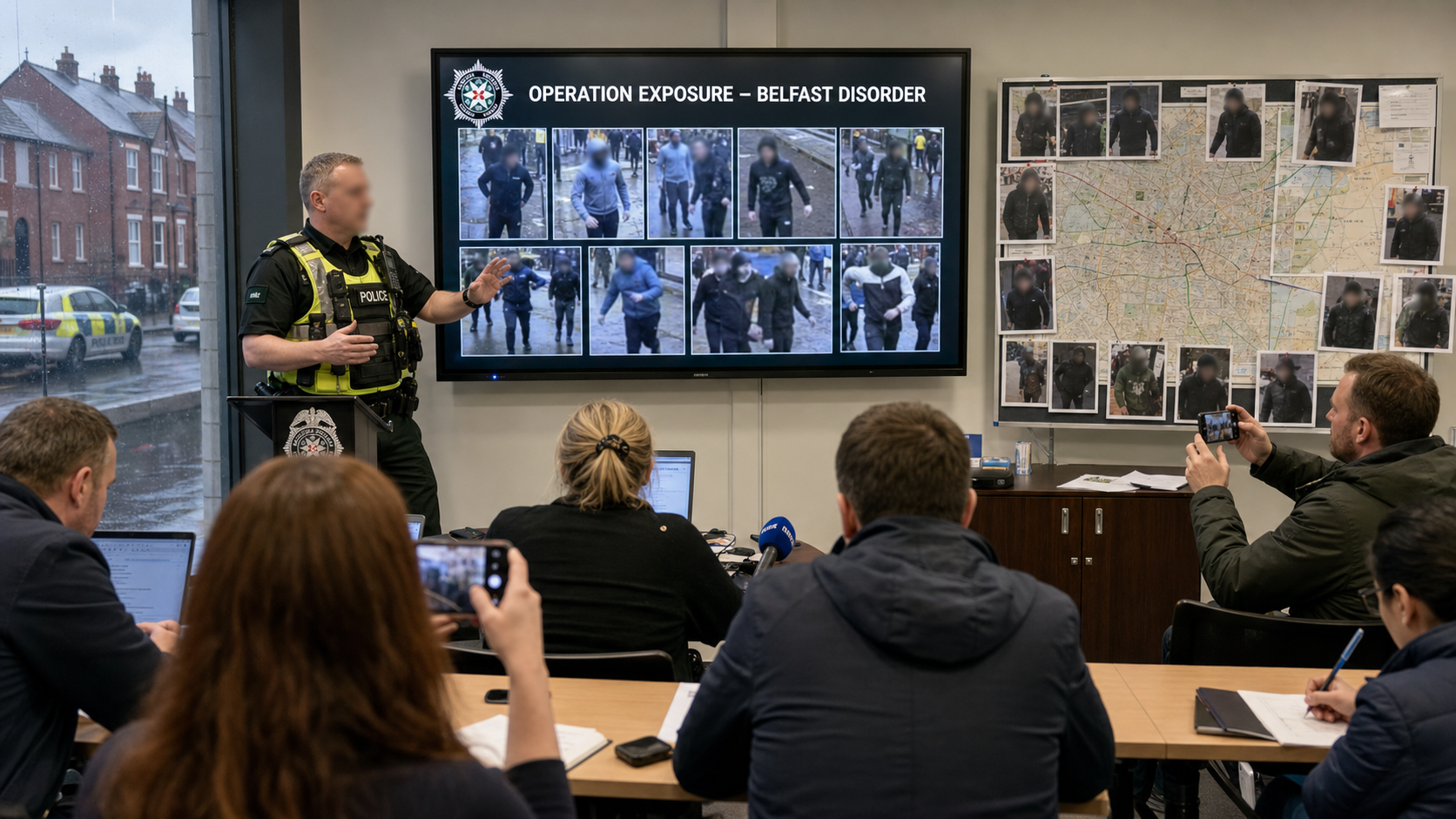
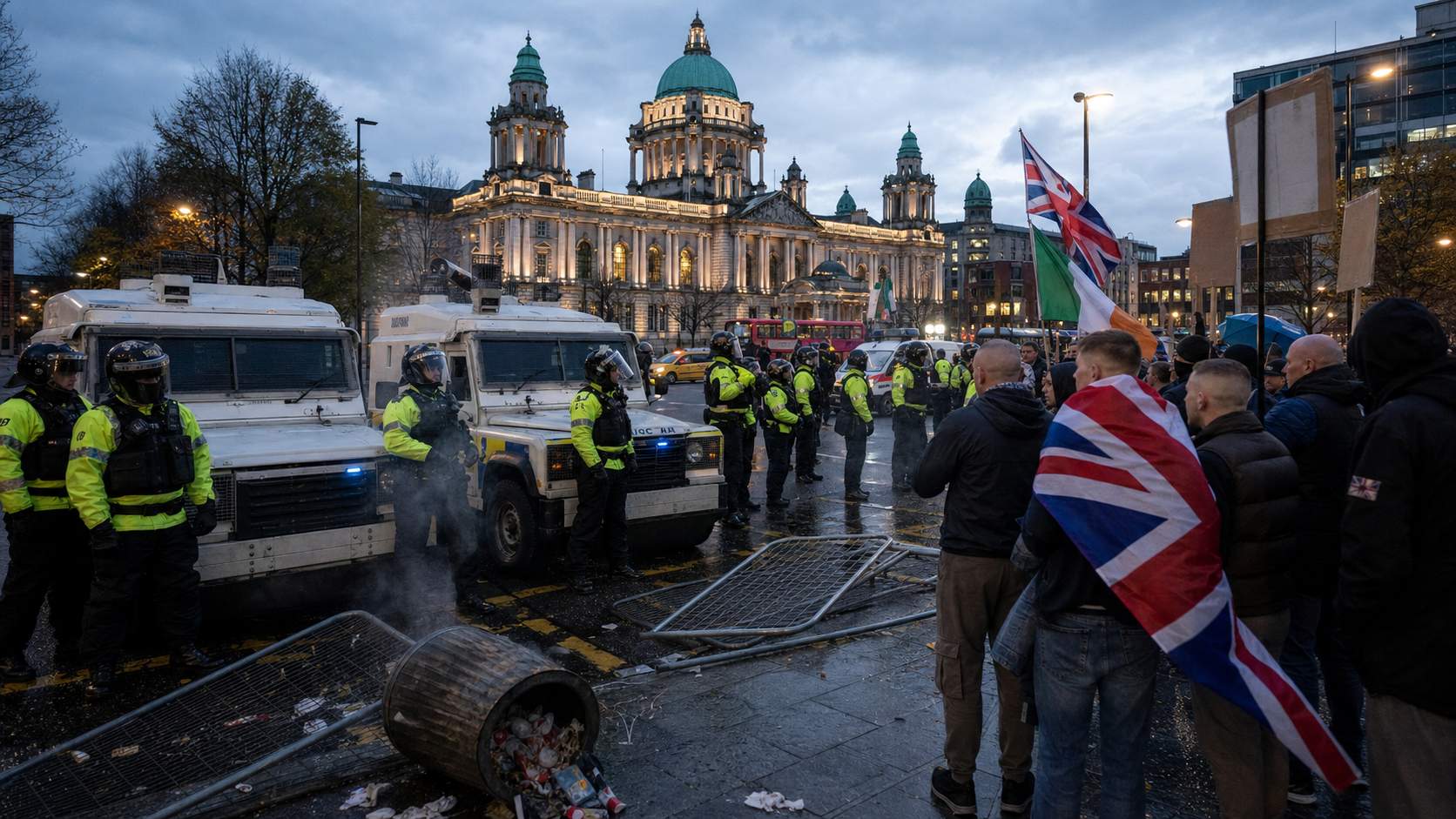
The anti-immigrant disorder in Belfast has ignited a significant diplomatic dispute between London and Dublin over the integrity of the Common Travel Area, with Northern Ireland Secretary Hilary Benn stating that Irish authorities have 'questions to answer' about the suspect's transit through Dublin, as the UK government announced £3.7 billion for immigration enforcement through 2029 and increased spot checks on cross-border routes.
Background
The Common Travel Area — the arrangement that allows citizens of Ireland and the United Kingdom to move freely between the two countries without passport controls — is one of the most significant and least discussed aspects of the relationship between the two islands. Predating both the European Union and the Good Friday Agreement, the CTA has been a cornerstone of daily life for millions of people who live, work, and travel across the Irish border. It is also, as the current crisis has demonstrated, a source of significant political tension when questions arise about its security implications.
The suspect in the north Belfast knife attack, Hadi Alodid, entered the island of Ireland via Dublin from Paris in 2023 before being granted refugee status in the United Kingdom. This transit route — arriving in the Republic and then moving north — has become the focus of intense political scrutiny, with some politicians arguing that it represents a security gap in the CTA that needs to be addressed. Others, including the Irish government, argue that the CTA is a fundamental element of the peace process and that any measures to restrict it must be approached with extreme caution.
The EU Migration Pact came into effect in Ireland on 12 June 2026, adding a further layer of complexity to the immigration policy landscape. The Pact introduces new obligations for EU member states in relation to asylum processing and border management, and its interaction with the CTA — which is a bilateral arrangement outside the EU framework — is a matter of ongoing legal and political discussion.
Key Developments
NI Secretary Hilary Benn's statement that Irish authorities have "questions to answer" about the suspect's transit through Dublin was the most diplomatically significant development of the week. The statement was carefully worded — Benn did not accuse the Irish government of any specific failure — but its implication was clear: the CTA's open border creates vulnerabilities that need to be addressed.
The UK government's announcement of £3.7 billion for immigration enforcement through 2029 was accompanied by a commitment to increase spot checks on cross-border buses, trains, and Dublin-bound EU flights. High-level discussions between Benn and Irish Justice Minister Jim O'Callaghan have been confirmed, and both governments have indicated that they are committed to finding a solution that addresses security concerns without undermining the CTA.
DUP leader Gavin Robinson has been the most vocal critic of the current arrangements, describing the Irish border as "open" and "porous" in the House of Commons and holding private talks with Prime Minister Keir Starmer on the issue. Aontú leader Peadar Tóibín has accused the Irish government of maintaining an "information vacuum" on the suspect's transit through Dublin, calling for greater transparency about how the case was handled.
The Irish government has responded by defending the CTA as a cornerstone of the peace process and warning that any measures to restrict cross-border movement must be consistent with the Good Friday Agreement. Minister O'Callaghan has indicated that Ireland is willing to engage in discussions about enhanced information-sharing between the two jurisdictions, but has drawn a clear line against any measures that would amount to a hard border.
Why It Matters
The CTA dispute is significant because it touches on some of the most sensitive fault lines in the relationship between Ireland, Northern Ireland, and Great Britain. The Good Friday Agreement's provisions on the border — including the commitment to no physical infrastructure — are not merely symbolic; they are a fundamental element of the peace settlement. Any measures that are perceived as undermining those provisions risk reopening wounds that have taken decades to heal.
At the same time, the security concerns raised by the Belfast disorder are genuine and cannot be dismissed. The question of how to balance the openness of the CTA with the need for effective immigration management is one that both governments have been grappling with for years, and the current crisis has given it a new urgency. Unlike previous debates about the CTA, which were largely conducted in academic and policy circles, this one is playing out in the full glare of public attention.
Local Impact
For communities along the border — in Newry, Derry, Enniskillen, and the many smaller towns and villages that straddle the frontier — the CTA dispute is not an abstract political question. It is a matter of daily life. Thousands of people cross the border every day for work, education, healthcare, and family visits, and any measures that complicate or restrict that movement would have immediate and tangible consequences. The border communities that bore the brunt of the Troubles are acutely sensitive to any suggestion that the open border might be compromised.
What's Next
The British-Irish Intergovernmental Conference is expected to hold a special session to discuss the CTA and immigration management in the coming weeks. Both governments have indicated that they are committed to finding a solution before the summer recess. The Home Secretary's review of social media platform responsibilities — which is directly relevant to the online incitement that drove the Belfast disorder — is expected to report within three months. The EU Migration Pact's interaction with the CTA will be the subject of ongoing legal analysis by both governments.