Belfast City Council Stands Firm Against Racism as Stabbing Suspect Remanded in Custody
Belfast City Council has issued a formal statement of condemnation in response to the anti-immigrant violence that has gripped parts of the city since Monday, declaring unequivocally that "Belfast stands against violence, racism and hate" — as the man charged with the knife attack that triggered the disorder was remanded in custody for four weeks by Belfast Magistrates' Court.
Background
The sequence of events that led to the council's statement began on the evening of Monday, 8 June, when Stephen Ogilvie, a 44-year-old man, was subjected to a severe knife attack in north Belfast. The attack left him with life-altering injuries, including the loss of an eye, and video footage of the incident spread rapidly across social media platforms in the hours that followed. By Tuesday evening, groups of masked individuals had begun targeting properties and vehicles in areas of Belfast with significant migrant populations.
Belfast City Council, as the elected civic authority for the city, faced immediate pressure to respond. The council's role in such situations is primarily one of civic leadership — it does not have operational responsibility for policing or emergency services — but its voice carries significant weight in shaping the public narrative and in signalling to both residents and the wider world what kind of city Belfast aspires to be.
The council's statement, issued on 10 June, was notable for its directness and its refusal to equivocate. It did not attempt to contextualise or explain the disorder; it condemned it, clearly and without qualification, and called on all citizens to unite behind the city's civic leadership in rejecting the violence.
Key Developments
The council's statement described Belfast as "one of the safest cities in the United Kingdom" and emphasised that the actions of those involved in the disorder were not representative of the city's character or values. "Now we need everyone to get behind the leadership of our city, the civic leadership, and for people to come together and show the best of our city, reject this disorder and refocus on moving forward together building a better Belfast for all," the statement read.
Separately, Hadi Alodid, the 30-year-old Sudanese national charged with the knife attack on Stephen Ogilvie, appeared before Belfast Magistrates' Court by video link on 10 June. He faces charges of attempted murder, possession of a bladed weapon in a public place and making threats to kill. The district judge denied bail and remanded Alodid in custody for four weeks, citing the potential for significant public disorder if he were released. The court heard that Alodid had arrived in Northern Ireland from Dublin and held a British visa valid until 2028.
The PSNI's Chief Constable Jon Boutcher, speaking at a press conference, described the disorder as "an enormous act of self-harm by brainless idiots" and pointed to far-right online agitators as having "militarised" public anger. He warned that those who had shared "hit lists" of addresses online could face criminal charges, and confirmed that a significant number of arrests were expected in the coming days.
Why It Matters
The council's response matters because civic leadership in moments of crisis shapes the long-term narrative of a city. Belfast has spent three decades building a reputation as a transformed, welcoming and dynamic place — a city that has moved beyond its troubled past and is open for business, tourism and investment. The disorder of this week threatens that narrative in a way that no single economic setback could.
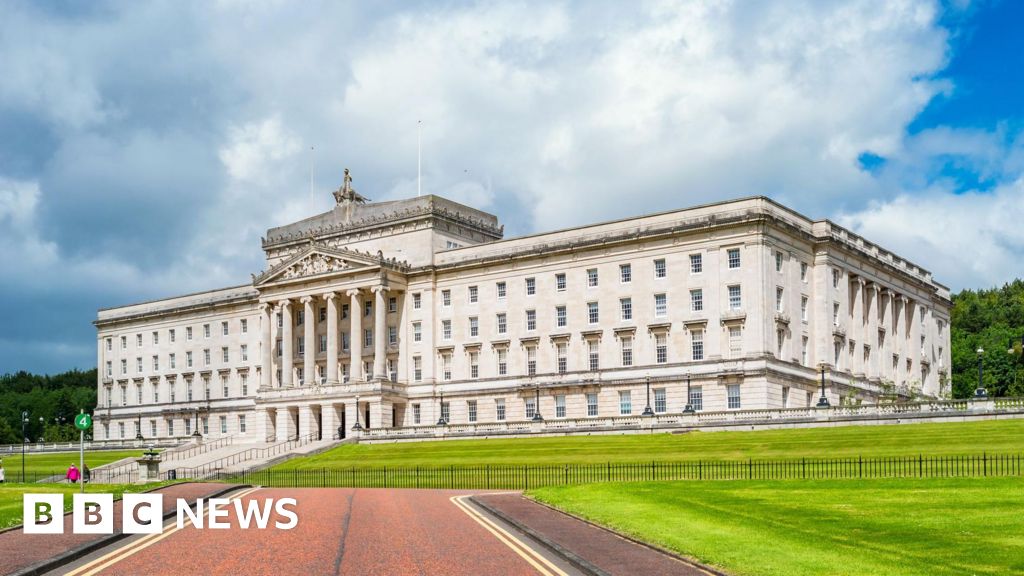
The council's statement, and the broader political response from Stormont, represents an attempt to reassert that narrative — to say, clearly and publicly, that the violence does not represent Belfast and that the city's institutions stand firmly against it. Whether that message is heard internationally, and whether it is sufficient to limit the reputational damage, remains to be seen. But the alternative — a muted or equivocal response — would have been far more damaging.
The legal proceedings against Alodid are also significant. The swift charging and remanding of the suspect demonstrates that the criminal justice system is functioning, and that the attack is being treated with the seriousness it deserves. The four-week remand period will allow the PSNI to complete its investigation and prepare its case for the next court appearance.
Local Impact
The immediate impact on Belfast's migrant communities has been severe. Many families who were targeted during the initial night of rioting remain in temporary accommodation provided by the Housing Executive and voluntary organisations. Community support groups in east and north Belfast have been working around the clock to provide practical assistance — food, clothing, translation services — to those who were displaced.
Several community and faith centres in the affected areas suspended their normal activities during the height of the disorder but have since reopened. Community leaders have reported that many members of the city's migrant communities are frightened and uncertain about their safety. A number of migrant-owned businesses in the affected areas have remained closed, with owners unwilling to return until they are confident that the situation has stabilised.
What's Next
Alodid's next court appearance is scheduled for four weeks' time, when the prosecution is expected to present the full details of its case. The PSNI has indicated that it expects to make a significant number of further arrests in connection with the disorder over the coming days. Belfast City Council is planning a series of community dialogue events in the affected areas, working with church leaders, community organisations and political representatives to begin the process of rebuilding trust and cohesion. The council's chief executive is expected to brief elected members at an emergency meeting next week.