Annual Inflation Holds at 3.4% in July as Housing and Energy Costs Drive Persistent Pressure
Ireland's annual inflation rate held steady at 3.4% in July 2026, according to new figures published by the Central Statistics Office on Friday, with housing costs and energy prices continuing to drive above-average price increases despite a welcome moderation in food inflation — a picture that suggests the cost-of-living pressures facing Irish households are easing only slowly and unevenly, with the burden falling most heavily on those who rent their homes or rely on public transport.
Background
Ireland's inflation experience since 2021 has been one of the most significant economic challenges facing the country in a generation. The surge in prices that followed the Covid-19 pandemic and the Russian invasion of Ukraine pushed annual inflation to a peak of more than 9% in 2022, eroding the real incomes of workers and placing severe pressure on household budgets, particularly for those on lower incomes who spend a higher proportion of their earnings on essentials such as food, energy, and housing.
The subsequent moderation in inflation — driven by falling energy prices, easing supply chain pressures, and the European Central Bank's aggressive interest rate increases — has brought the headline rate down significantly from its peak. But the 3.4% rate recorded in July 2026 remains above the euro zone average and above the ECB's 2% target, suggesting that Ireland's inflation problem has not been fully resolved even as the most acute phase of the crisis has passed.
The persistence of above-average inflation in Ireland reflects structural factors that are specific to the Irish economy, including the tight housing market, the high cost of energy relative to other euro zone countries, and the strong domestic demand generated by a labour market that remains close to full employment.
Key Developments
The CSO's July figures show that housing costs — including rents, mortgage interest, and the cost of home maintenance — rose by 6.2% on an annual basis, significantly above the headline rate. Energy prices increased by 4.8% annually, reflecting the continued impact of global energy market volatility on Irish consumers. Food inflation, by contrast, moderated to 1.8% annually, providing some relief for household budgets after two years of sharp increases in grocery prices.
Transport costs rose by 3.1% annually, driven by higher fuel prices and increases in public transport fares. Services inflation — which includes restaurant meals, haircuts, and other personal services — remained elevated at 4.1%, reflecting the tight labour market and the higher wages that service sector employers are paying to attract and retain staff.
The CSO noted that the July rate was unchanged from June, suggesting that the pace of disinflation has slowed. Economists at the Economic and Social Research Institute warned that the persistence of housing and energy inflation could keep the headline rate above 3% for the remainder of 2026.
Why It Matters
An inflation rate of 3.4% may appear modest compared to the peaks of 2022, but its impact on household budgets is cumulative. Prices that rose sharply in 2022 and 2023 have not fallen back to their pre-pandemic levels; they have simply stopped rising as quickly. For a family that has seen its grocery bill, energy costs, and rent all increase significantly over the past four years, a 3.4% annual rate means that the pressure continues, even if it is less intense than it was at the peak.
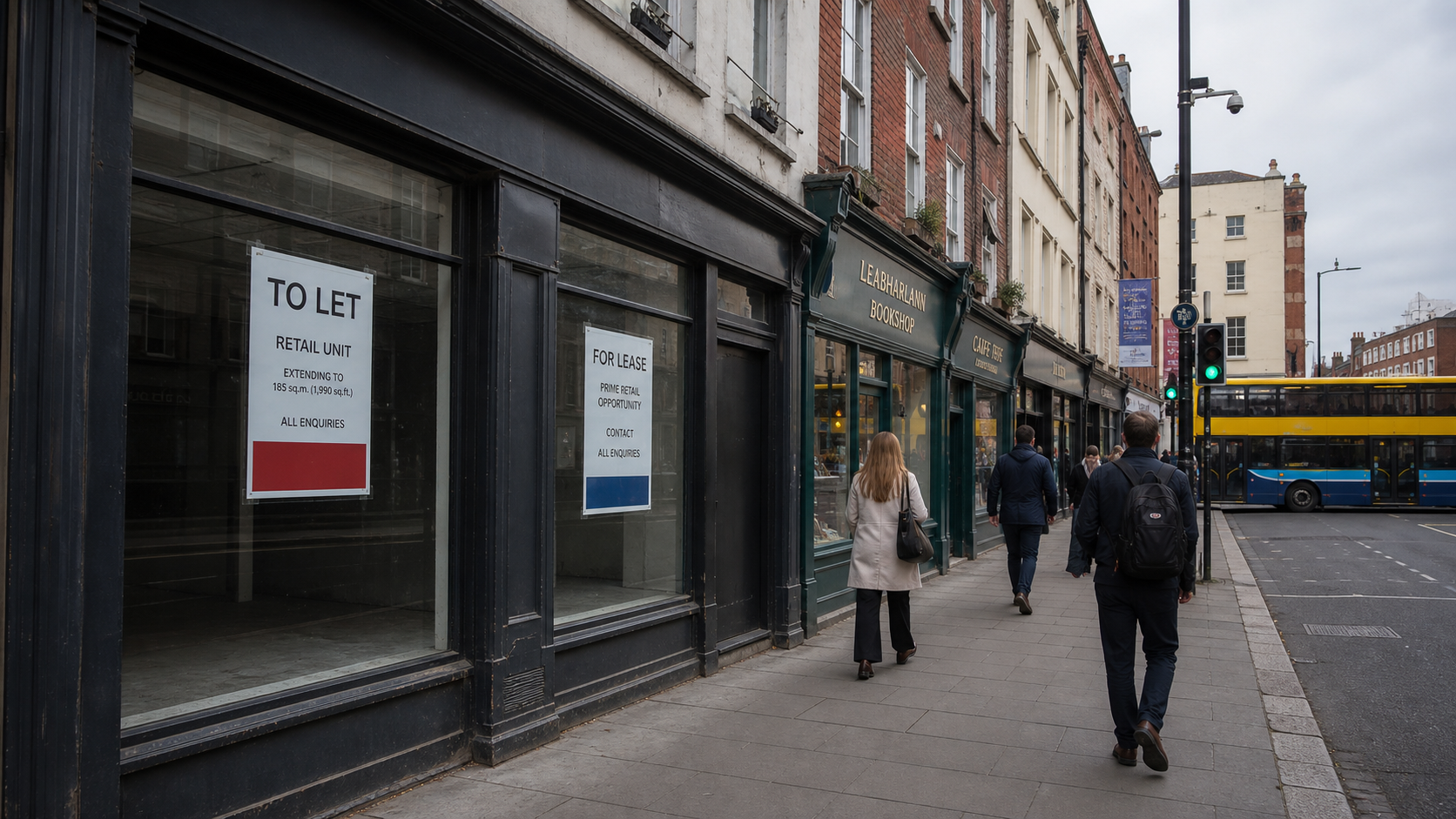
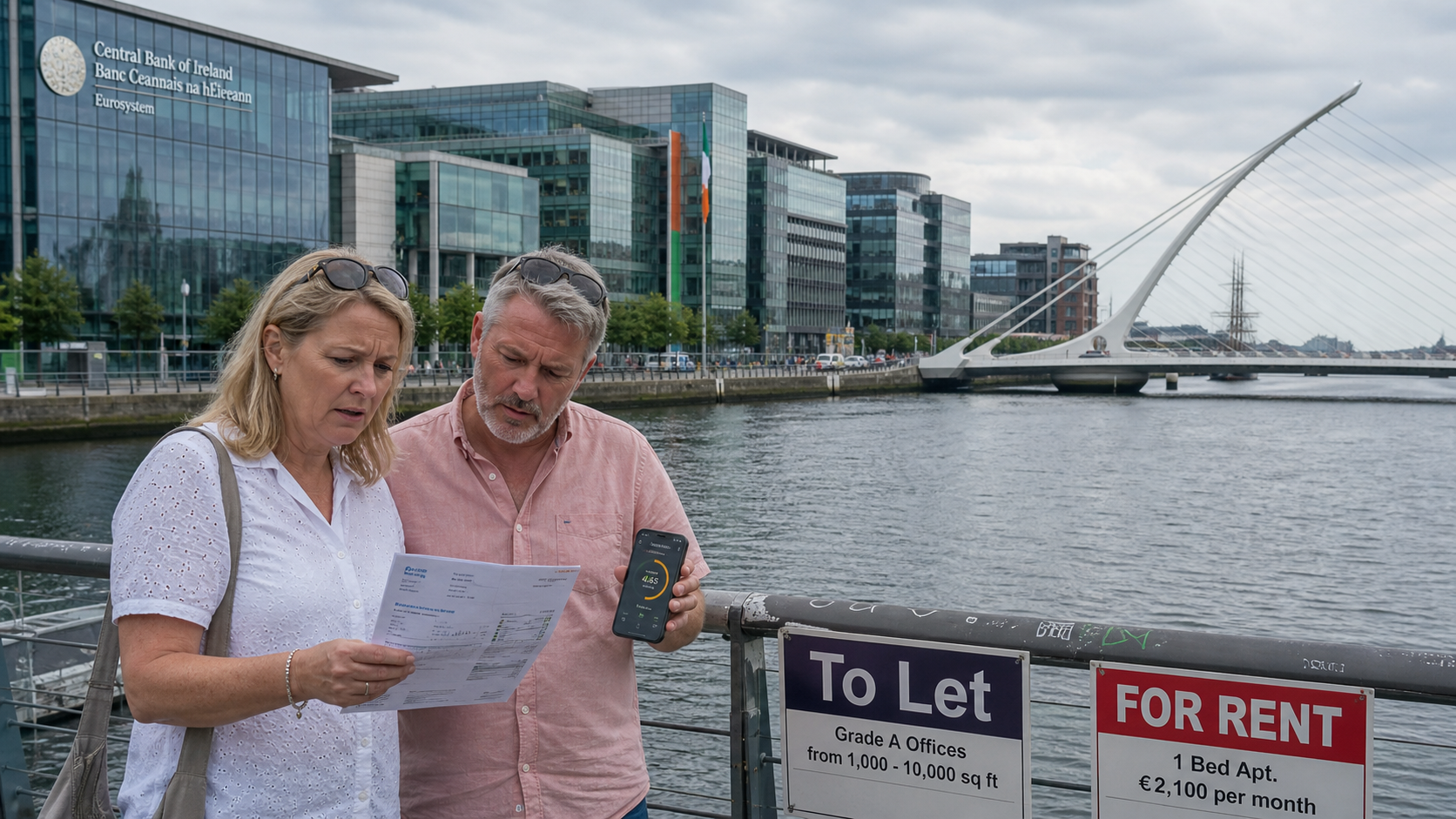
The housing component of inflation is particularly concerning. Rents in Dublin and other major cities continue to rise at rates well above the headline figure, and the shortage of supply that drives this inflation shows no sign of being resolved in the near term. For the growing proportion of Irish households that rent their homes — now more than a third of all households — housing inflation is the dominant cost-of-living challenge.
Local Impact
The impact of persistent inflation is felt differently across Ireland's regions and income groups. In Dublin, where housing costs are highest and the labour market is tightest, the combination of high rents and above-average price increases in services is placing significant pressure on middle-income households. In rural areas, where car dependency is higher and public transport options are limited, energy and fuel costs are the primary concern. The government's cost-of-living supports — including energy credits and targeted welfare increases — have provided some relief, but economists argue that they have also contributed to keeping demand, and therefore prices, higher than they would otherwise be.
What's Next
The CSO will publish August inflation figures in mid-September, providing the next data point in the trajectory of Irish prices. The ECB's next interest rate decision is scheduled for September, with markets expecting a further modest reduction in rates following the series of cuts that began in 2024. Lower interest rates will reduce mortgage costs for tracker mortgage holders but may also stimulate demand and put upward pressure on prices. The government's Budget 2027, expected in October, will need to balance the need to support households facing cost-of-living pressures with the risk of adding to inflationary pressures through excessive spending.