Help to Buy Scheme Fails Almost Half of Applicants as Housing Crisis Deepens
New data has revealed that almost half of all applicants to Ireland's Help to Buy scheme have received no financial support, with approximately 88,500 applications submitted since July 2020 but only around 48,878 approvals granted — a success rate of just over 55 per cent that has prompted calls for a fundamental review of a scheme that was designed to help first-time buyers onto the property ladder but is failing a significant proportion of those who apply.
Background
The Help to Buy scheme was introduced in 2017 as a tax incentive to assist first-time buyers in securing a deposit for a new or self-build home. Eligible applicants can claim a refund of Income Tax and Deposit Interest Retention Tax paid over the previous four tax years, up to a maximum of €30,000 or 10 per cent of the property's purchase price, whichever is lower. The scheme was significantly expanded in July 2020, and the new data covers the period from that expansion to the present.
The scheme has been a significant and often controversial element of Irish housing policy. Proponents argue that it has helped tens of thousands of first-time buyers access the property market who would otherwise have been unable to accumulate a sufficient deposit. Critics argue that it has primarily benefited higher earners who were already close to being able to buy, that it has inflated new home prices by effectively subsidising demand, and that its exclusion of second-hand properties has distorted the market in ways that disadvantage buyers in areas where new builds are scarce.
The new data on rejection rates adds a further dimension to the debate, suggesting that the scheme's eligibility criteria are excluding a substantial proportion of those who apply — many of whom may have been counting on the support as part of their financial planning for a home purchase.
Key Developments
The Revenue Commissioners' data shows that of the approximately 88,500 applications submitted since July 2020, around 48,878 have been approved. The remainder have either been rejected or have not progressed to a completed home purchase. The most common reasons for rejection include unfiled tax returns, purchasing a home priced over the €500,000 threshold, and failing to meet the "first-time buyer" definition — which excludes anyone who has previously owned or held a beneficial interest in a residential property anywhere in the world.
Housing advocates have pointed out that the €500,000 price threshold, while it may have been appropriate when the scheme was introduced, has become increasingly restrictive as new home prices have risen sharply in Dublin and other urban areas. Many new homes in the capital now exceed the threshold, effectively excluding buyers in the most supply-constrained markets from accessing the scheme.
Why It Matters
The Help to Buy rejection rate is a significant data point in the broader debate about the effectiveness of Irish housing policy. The scheme costs the exchequer hundreds of millions of euros annually, and if almost half of applicants are receiving no benefit, the question of whether that money is being deployed in the most effective way to address the housing crisis is a legitimate one. The government has consistently defended the scheme as a vital support for first-time buyers, but the new data suggests that its reach is more limited than the headline application numbers imply. A scheme that rejects almost half its applicants is either too narrowly designed or is being applied to a population that does not fully meet its criteria — and either conclusion has implications for policy.
Local Impact
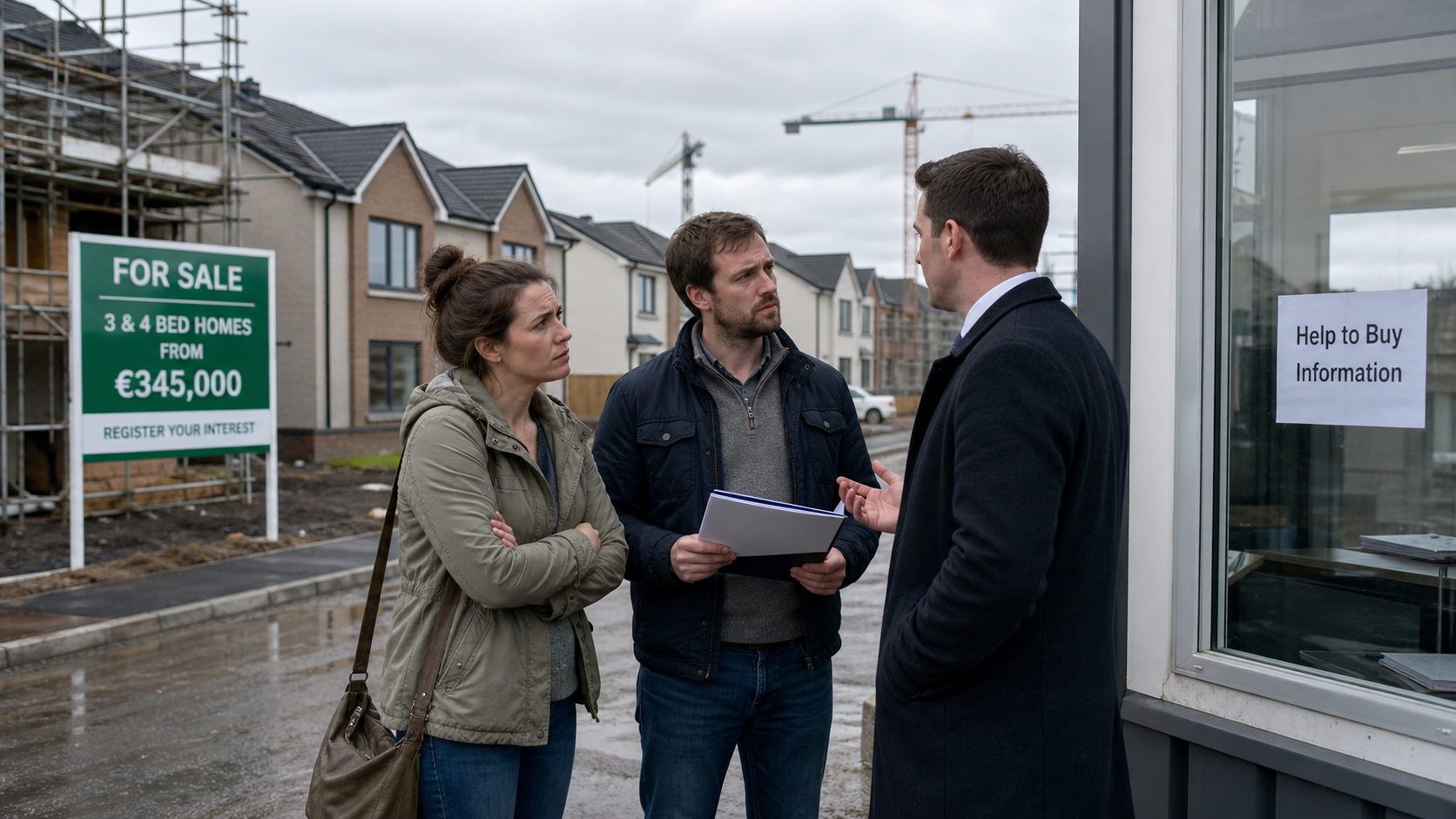
For first-time buyers across Ireland, the Help to Buy scheme is often a critical element of their financial planning. The news that almost half of applicants receive no support will be a source of frustration and anxiety for many who have been counting on the scheme as part of their path to homeownership. In Dublin, where new home prices are highest and the scheme's €500,000 threshold is most likely to be a barrier, the rejection rate is likely to be particularly high. Housing charities and financial advisers have reported an increase in enquiries from first-time buyers who are confused about their eligibility and are seeking guidance on alternative routes to homeownership.
What's Next
The Department of Finance is expected to conduct its annual review of the Help to Buy scheme in the autumn, ahead of Budget 2027. Opposition parties have called for the review to address the rejection rate and to consider whether the scheme's eligibility criteria and price threshold should be updated to reflect current market conditions. The government has indicated it is open to reviewing the scheme but has not committed to specific changes. The Society of Chartered Surveyors Ireland has called for a comprehensive evaluation of all demand-side housing supports, including Help to Buy, to assess their impact on affordability and supply.