Aer Lingus Posts €34 Million Half-Year Loss and Plans Up to 500 Job Cuts in Major Restructuring
Aer Lingus has reported an operating loss of €34 million for the first half of 2026 and announced plans to cut up to 500 jobs and reduce its flight capacity by 6%, including the discontinuation of routes to Denver, Las Vegas, Minneapolis, and Split — a restructuring plan that has been condemned as corporate greed by the Fórsa trade union and that raises serious questions about the future of Ireland's national carrier.
Background
Aer Lingus, which is owned by the International Airlines Group alongside British Airways, Iberia, and Vueling, has been one of the most important elements of Ireland's connectivity infrastructure for decades. The airline's transatlantic routes, in particular, are regarded as strategically vital for Irish tourism and business, providing direct connections between Ireland and the United States that are essential for the country's export-oriented economy and its diaspora links.
The airline had a difficult start to 2026, recording a €103 million loss in the first quarter before returning to an operating profit of €69 million between April and June. The full first-half operating loss of €34 million represents a significant deterioration compared to the €80 million operating profit recorded in the same period of 2025, and reflects a combination of rising costs, intense competition on North Atlantic routes, and broader macroeconomic pressures.
The restructuring plan announced alongside the results is the most significant change to Aer Lingus's operations in several years and has been met with alarm by workers, unions, and politicians who regard the airline's connectivity as a matter of national strategic importance.
Key Developments
The proposed job cuts total up to 500 positions, comprising 290 roles in head office functions, 140 cabin crew positions, and 70 pilot positions. The airline is also implementing a 6% reduction in flight capacity, involving the discontinuation of routes to Denver, Las Vegas, Minneapolis, and Split, and the transition of routes to Seattle, Frankfurt, Hamburg, and Malta to seasonal operations. These network adjustments are scheduled to begin in late September 2026 and continue into the summer of 2027.
The airline has cited an 8% rise in operating costs and a 3% decrease in passenger revenue as the primary drivers of its financial difficulties, alongside intense competition on North Atlantic routes from US carriers and other European airlines. The restructuring is intended to improve the airline's operating margin to a sustained level of 12% to 15%, which management argues is necessary to attract future investment.
Fórsa, the trade union representing many Aer Lingus workers, has condemned the proposals as corporate greed, describing the job cuts as a profound shock to the workforce. The union has stated its firm opposition to compulsory redundancies and is seeking to ensure that any departures are voluntary and negotiated under terms consistent with other IAG carriers.
Why It Matters
The loss of direct routes to Denver, Las Vegas, and Minneapolis is a significant blow to Irish connectivity with the United States. These routes serve not only leisure travellers but also the Irish diaspora communities in those cities and the business travellers who use them for transatlantic commerce. The discontinuation of the Split route affects Irish tourism to Croatia, which has become an increasingly popular destination for Irish holidaymakers.
More broadly, the restructuring raises questions about the long-term strategic direction of Aer Lingus under IAG ownership. The airline's parent company has faced its own financial pressures in recent years, and there is a concern among Irish politicians and commentators that IAG's priorities may not always align with Ireland's connectivity needs. The government has been urged to engage with IAG at the highest level to protect the routes that are most strategically important for the Irish economy.
Local Impact
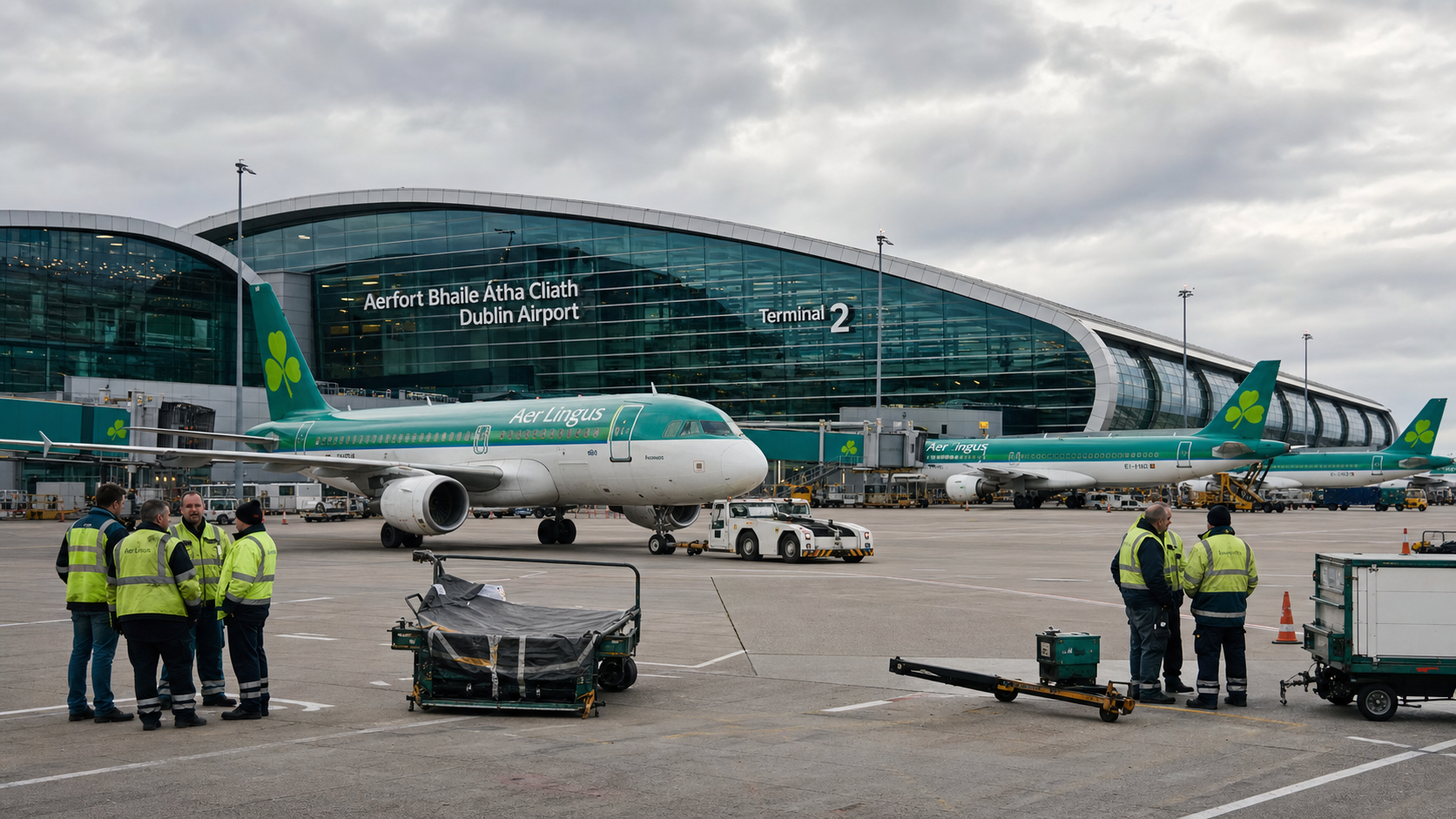
For the 500 workers facing potential redundancy, the announcement is a deeply personal blow. Many of those affected have worked for Aer Lingus for years or decades, and the prospect of losing their jobs is a source of significant anxiety. The Fórsa union has committed to fighting for the best possible terms for any workers who do leave the airline, and has called on the government to use its influence with IAG to minimise the number of compulsory redundancies. Dublin Airport, which is Aer Lingus's main hub, will also feel the impact of the capacity reduction, with fewer flights meaning less revenue for the airport and its associated businesses.
What's Next
Aer Lingus will enter into a period of consultation with its unions and employee representatives on the proposed restructuring. The Fórsa union has indicated that it will seek detailed engagement with the company on the terms of any departures and will resist compulsory redundancies. The government is expected to seek a meeting with IAG leadership to discuss the implications of the restructuring for Irish connectivity. The route discontinuations are scheduled to begin in late September, giving affected passengers a limited window to make alternative arrangements.