950 Drones Recreate the Titanic Over Belfast Harbour in Spectacular Tribute to City's Heritage
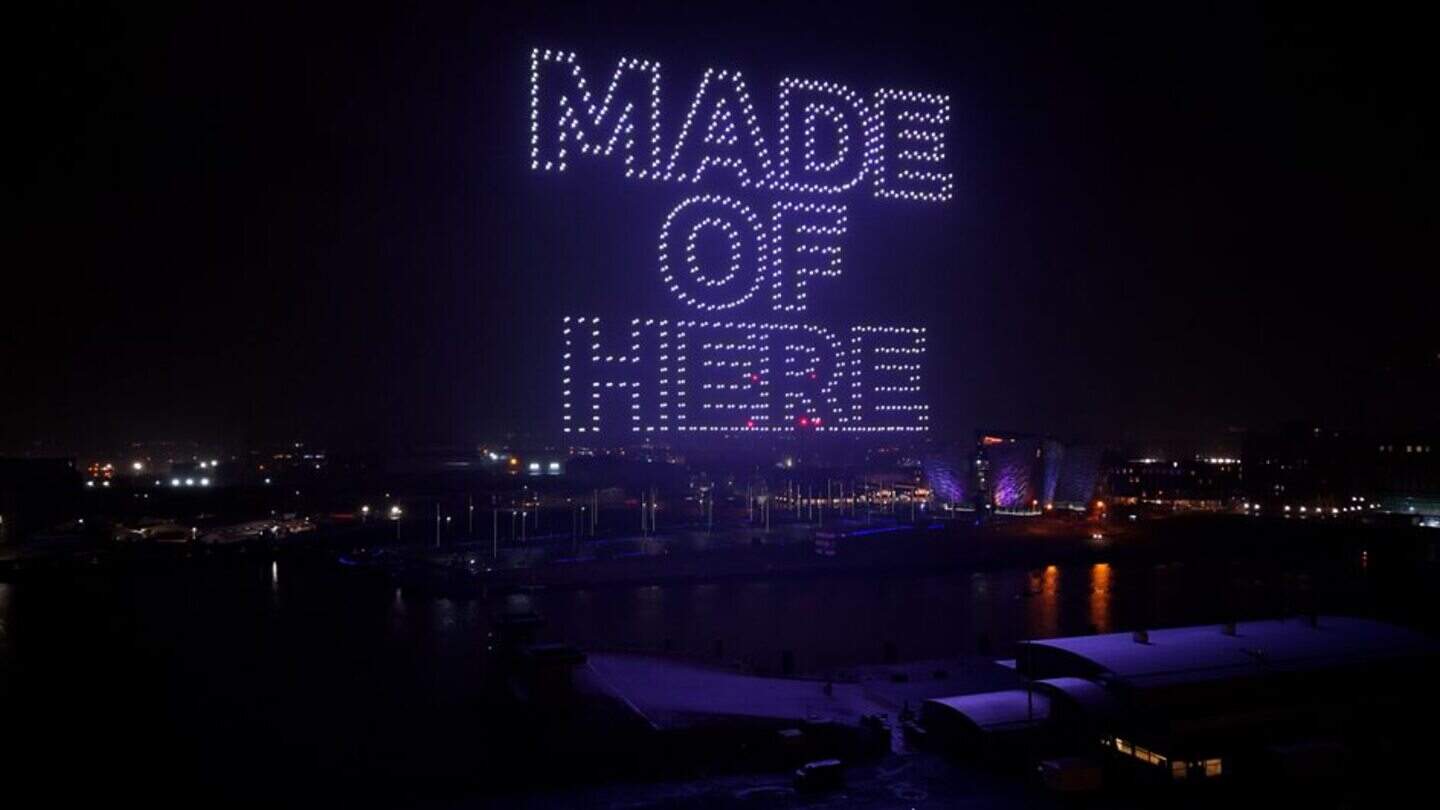
A spectacular display of 950 drones recreated the RMS Titanic over Belfast Harbour on 30 March 2026 as part of the BBC's "Made Of Here" campaign, with the footage broadcast on BBC One Northern Ireland on 2 April to mark the 114th anniversary of the ship's departure from Belfast — earning the display the nickname "Ghost Ship" and generating worldwide attention for the city's extraordinary heritage.
Background
The BBC's "Made Of Here" campaign is a nationwide initiative celebrating the creative talent and storytelling from various regions across the UK. Northern Ireland was the latest region to be featured, following similar campaigns in Liverpool, Birmingham, and Glasgow. Throughout April 2026, BBC programmes made in Northern Ireland — including "Blue Lights," "Line Of Duty," "Hope Street," and "Funboys" — were showcased as part of the campaign, with the Titanic drone display serving as its centrepiece.
The display took place near the historic Titanic Slipways where the original ship was built, adding a powerful layer of historical resonance to the spectacle. The 950 drones were choreographed to form a full-scale silhouette of the RMS Titanic against the night sky over Belfast Harbour — a technical achievement of remarkable precision and ambition. The drones also formed animated text, including the phrases "TITANIC SINKS TONIGHT" and "MADE OF HERE," weaving narrative and heritage together in a display that was as poetic as it was technically impressive.
The footage was broadcast on BBC One and BBC Two Northern Ireland on Thursday, 2 April 2026, at 8 PM — timed to coincide with the exact date and time the RMS Titanic set sail from Belfast in 1912, 114 years prior. This timing added a poignant historical resonance to the event, connecting the modern-day tribute with the original ship's departure from its birthplace.
Key Developments
The drone display was not publicly announced beforehand, a decision the BBC attributed to safety and security considerations. A BBC spokesperson stated that publicising the event would have made it unfeasible to film, and that the presence of a large crowd would have posed risks to both the public and the production. Only a small number of invited guests, including Aidan McMichael, chair of the Belfast Titanic Society, were permitted to attend.
When the footage was broadcast and shared across social media platforms — particularly TikTok, where it went viral — the reaction was one of widespread admiration. The "Ghost Ship" display was described as "hauntingly beautiful" by viewers across the world, and the footage generated significant international media coverage, raising Belfast's profile as a city of heritage, creativity, and ambition.
However, the secrecy surrounding the event also generated controversy. Many Belfast residents, including those living near the harbour, learned of the display only after it had taken place, and expressed disappointment at having missed a unique and historic spectacle in their own city. Alliance MLA Peter McReynolds described the display as "fantastic" but called the lack of public access a "missed opportunity," while the Belfast Titanic Society expressed hope for a future, publicly accessible event.
Why It Matters
The Titanic drone display is a powerful demonstration of what Belfast's heritage can inspire when creativity, technology, and ambition are combined. The RMS Titanic is not merely a historical artefact — it is the defining symbol of this city's industrial genius, a story of extraordinary human endeavour that continues to captivate the world more than a century after the ship's tragic sinking. To see that story told in 950 drones over the very harbour from which the Titanic sailed is to understand, viscerally, why Belfast's connection to the ship remains so profound and so enduring.
The display also demonstrates the power of the BBC's "Made Of Here" campaign to shine a spotlight on the creative and cultural richness of Northern Ireland. At a time when the region's profile on the world stage is more important than ever, events like this one — however controversial their staging — serve a vital purpose in telling Belfast's story to a global audience.
Local Impact
For Belfast, the drone display is both a triumph and a conversation starter. The footage has undoubtedly raised the city's international profile and generated enormous goodwill for Belfast as a destination and a place of heritage. The Titanic Quarter, already one of the most visited tourist destinations in Ireland, will benefit from the renewed global attention. But the controversy over the lack of public access has also sparked an important debate about how Belfast's heritage is celebrated and who gets to be part of those celebrations — a debate that the city's civic leaders and cultural institutions would do well to take seriously.
What's Next
The success of the drone display has generated calls for a future, publicly accessible event that would allow Belfast residents to witness a similar tribute to their city's heritage in person. The BBC has indicated it will reflect on the public response, and the Belfast Titanic Society has expressed its willingness to work with partners to make such an event happen. Further details of the display and the "Made Of Here" campaign are available via the BBC Media Centre and the Belfast Telegraph.