X Challenges Coimisiún na Meán in High Court Over Handling of User Complaints
Social media platform X has brought a substantive High Court challenge against Ireland's media regulator Coimisiún na Meán, arguing that the regulator's practice of referring information from user complaints to an internal supervisory team for potential future systemic investigations is unlawful, lacks transparency, and effectively denies both the platform and complainants a definitive resolution of individual cases.
Background
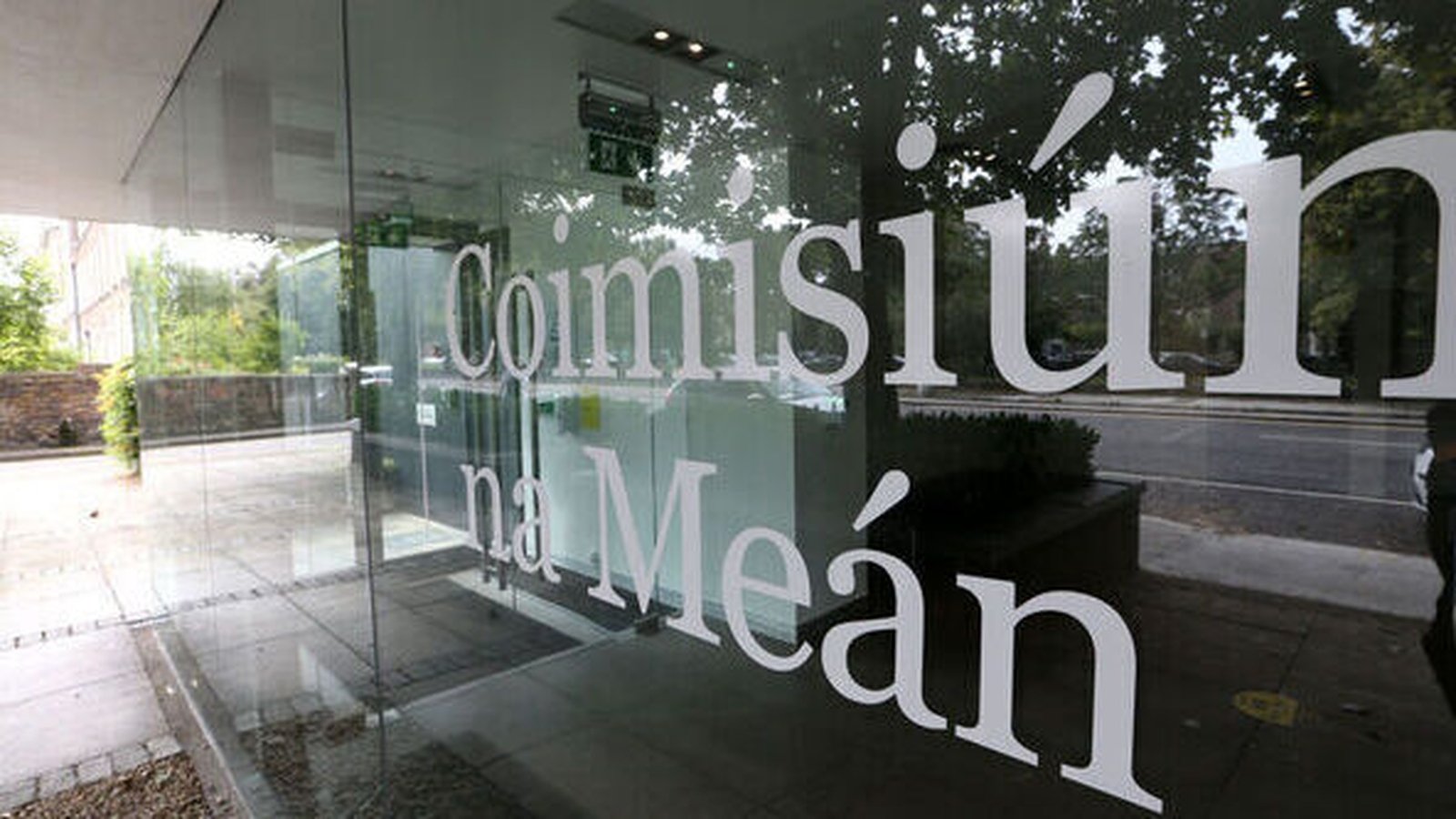
Coimisiún na Meán was established in 2023 as Ireland's new media regulator, replacing the Broadcasting Authority of Ireland and taking on expanded responsibilities under the Online Safety and Media Regulation Act 2022. The commission has a dual mandate: regulating traditional broadcast media and overseeing the online safety obligations of designated online platforms under the EU's Digital Services Act (DSA). Ireland's role as the primary regulator for many of the world's largest technology companies — including X, Meta, Google, and TikTok, all of which have their European headquarters in Dublin — gives Coimisiún na Meán an outsized importance in the European regulatory landscape.
X, formerly known as Twitter, has been a frequent subject of regulatory scrutiny since its acquisition by Elon Musk in 2022. The platform has faced criticism from regulators, civil society organisations, and advertisers over its approach to content moderation, its handling of hate speech and disinformation, and its compliance with the DSA's transparency and accountability requirements. Coimisiún na Meán has been among the most active European regulators in pursuing complaints against X, and the current High Court proceedings represent the latest chapter in a contentious relationship between the platform and its primary European regulator.
The dispute at the heart of the current proceedings concerns the regulator's October 2025 decision to refer information gathered from user complaints to its internal Platform Supervisory Team. This team was tasked with examining whether the complaints indicated broader systemic issues within X's operations — a process that X argues is unlawful and that the regulator argues is a legitimate exercise of its statutory powers.
Key Developments
X initiated its High Court challenge in early 2026, arguing that the commission lacked the legal provision to delegate its investigative powers to the supervisory team for future use, particularly regarding complaints that were already concluded or undetermined. X's legal counsel described the regulator's approach as a "semantic trick," asserting that the commission was "kicking the can down the road" by retaining information for potential future systemic investigations without formally notifying the parties involved.
The High Court, presided over by Mr Justice Cian Ferriter, refused in March 2026 to grant X a stay on the investigation, finding that X had "overstated" the prejudice it would suffer and "understated" the public interest in the orderly operation of the complaints process as mandated by the Digital Services Act and the Broadcasting Act 2009. The court also awarded legal costs against X following the failed stay application, though a temporary stay on the costs order was placed pending the outcome of the substantive proceedings.
The substantive judicial review proceedings were scheduled for hearing in July 2026. Coimisiún na Meán, represented by David Fennelly SC, has defended its actions by arguing that it is within its statutory powers to refer relevant information to its supervisory team and that X's challenge serves to undermine the watchdog's essential role in addressing cases with implications across the European Union.
Why It Matters
The X versus Coimisiún na Meán proceedings are significant well beyond the immediate dispute between the platform and the regulator. They go to the heart of how Ireland — as the primary European regulator for many of the world's largest online platforms — exercises its responsibilities under the Digital Services Act, and they will have implications for the regulatory approach taken by Coimisiún na Meán in its dealings with other major platforms.
The DSA, which came into full effect in 2024, represents the most ambitious attempt by the European Union to regulate the online environment, imposing significant obligations on large platforms in areas including content moderation, algorithmic transparency, and the handling of user complaints. Ireland's implementation of the DSA through Coimisiún na Meán is being watched closely by regulators across Europe, and the outcome of the X proceedings will provide important guidance on the scope of the regulator's powers.
For Ireland's reputation as a technology regulation hub, the proceedings are a double-edged sword. On one hand, active enforcement of the DSA demonstrates that Ireland is taking its regulatory responsibilities seriously, countering criticism that the country has been too accommodating of the technology industry. On the other hand, a successful legal challenge by X could expose limitations in the regulatory framework and create uncertainty about the commission's ability to pursue systemic investigations.
Local Impact
The proceedings have practical implications for Irish users of X and other online platforms. The complaints that gave rise to the regulatory action were submitted by Irish users who experienced what they regarded as harmful or illegal content on the platform. The outcome of the proceedings will determine whether those users receive a definitive resolution of their complaints or whether the regulator's approach of referring information to a supervisory team for potential future action is upheld as lawful.
For the technology sector in Dublin, which employs tens of thousands of people and generates significant tax revenue for the Irish state, the proceedings are a reminder of the regulatory environment in which the industry operates. The concentration of major technology companies in Ireland creates both economic benefits and regulatory responsibilities, and the balance between those two dimensions is a recurring theme in Irish public policy debate.
What's Next
The High Court is expected to deliver its judgment in the substantive proceedings in the coming months. If X's challenge is successful, Coimisiún na Meán will need to revise its approach to handling user complaints and may face challenges in pursuing systemic investigations against major platforms. If the challenge fails, the commission's authority to conduct systemic investigations will be confirmed, potentially opening the door to more ambitious enforcement action against X and other platforms. Either outcome will have significant implications for the future of online safety regulation in Ireland and across the European Union.