US-Iran Peace Talks Collapse After 21-Hour Marathon — Ceasefire Hangs by a Thread
High-stakes negotiations between the United States and Iran collapsed on Sunday 12 April 2026 after a gruelling 21-hour session in Islamabad, Pakistan, leaving the fragile two-week ceasefire in serious doubt and raising fears of renewed conflict in the Middle East that could send global energy prices spiralling further.
Background
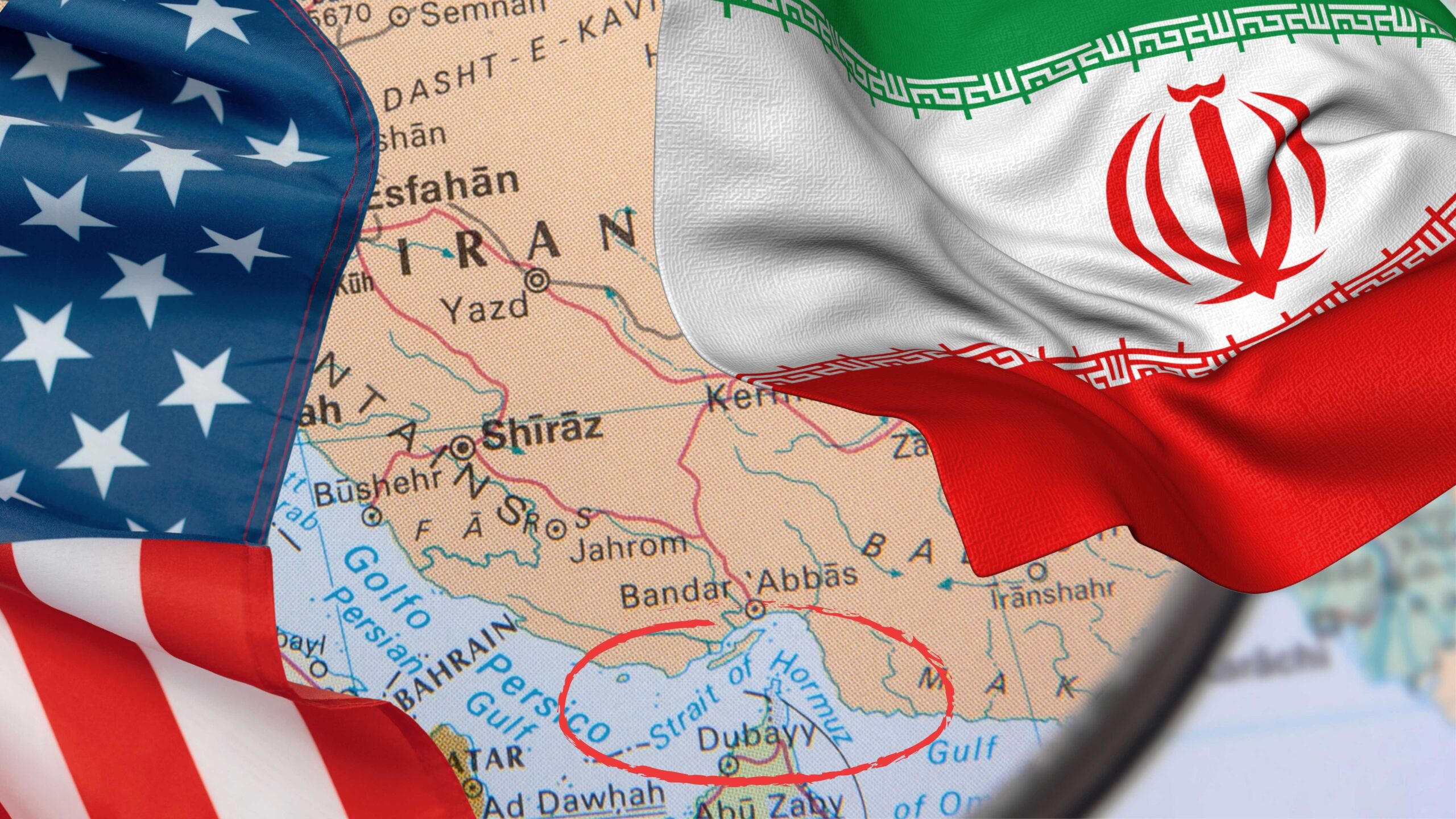
The Islamabad talks were the first direct high-level engagement between Washington and Tehran since Iran's 1979 Islamic Revolution — a historic moment that had raised cautious hopes of a diplomatic breakthrough. The negotiations followed a two-week ceasefire agreed on 7 April 2026, which had paused weeks of US and Israeli strikes on Iranian targets and Iran's blockade of the Strait of Hormuz, a critical chokepoint through which approximately one-fifth of global energy exports pass.
The ceasefire had been brokered after President Trump threatened to destroy Iranian civilian infrastructure if the strait was not reopened. Oil prices had already surged above $100 per barrel following the closure, triggering significant volatility in financial markets worldwide and pushing UK inflation above 3% — well above the Bank of England's 2% target.
The talks were mediated by Pakistan and attended by senior delegations from both sides, reflecting the gravity of the situation. The US delegation was led by Vice President JD Vance alongside special envoy Steve Witkoff and Jared Kushner, while Iran's team was headed by Parliamentary Speaker Mohammad Bagher Ghalibaf and Foreign Minister Abbas Araghchi.
Key Developments
Despite the marathon session, the two sides could not bridge fundamental differences. Vice President Vance confirmed the breakdown, stating that the US had presented its "final and best offer" and had made clear its red lines, but Iran had "chosen not to accept our terms." The core US demand was an unambiguous commitment from Iran to permanently forgo nuclear weapons — including a halt to uranium enrichment activities.
President Trump later posted on social media that "the meeting went well, most points were agreed to, but the only point that really mattered, NUCLEAR, was not." Iran's Ghalibaf blamed the collapse on a lack of trust, saying the US "failed to gain the trust of the Iranian delegation in this round of negotiations." Iranian state media attributed the breakdown to what it described as "excessive" and "unreasonable" US demands, including control over the Strait of Hormuz, war reparations, and limits on Iran's nuclear enrichment programme.
Following the collapse, President Trump announced that the US Navy would impose a blockade on Iranian ports, set to begin on 13 April 2026. US Central Command clarified that the blockade would target vessels entering or leaving Iranian ports but would not impede ships transiting the Strait of Hormuz to other destinations — a distinction that offered some relief to energy markets.
Why It Matters
The failure of the Islamabad talks represents a significant setback for global stability at a moment of acute economic fragility. For the United Kingdom, the consequences are already being felt in household energy bills, mortgage costs, and the broader cost of living. The Bank of England held its base rate at 3.75% in March 2026, but markets had been pricing in a possible rise by July if the energy price shock persisted — a prospect that now looks more likely following the breakdown.
The collapse also raises the spectre of a return to active hostilities in the Middle East, which would further disrupt global shipping and energy supply chains. Analysts at the Guardian warned that the breakdown "heightens fears of a prolonged energy shock" that could tip energy-intensive economies into recession. For ordinary families in Belfast and across Northern Ireland — already squeezed by years of elevated prices — the prospect of further energy cost increases is deeply concerning.
Local Impact
Northern Ireland households have been among the hardest hit by the energy price surge triggered by the Middle East conflict. The region's dependence on imported energy, combined with its peripheral position in the UK energy market, means that price shocks are felt acutely here. Consumer groups in Belfast have warned that further increases to the energy price cap — already forecast to rise by £288 by July — could push thousands more families into fuel poverty. Local businesses, particularly in the hospitality and manufacturing sectors, have also flagged rising input costs as a serious threat to their viability in 2026.
What's Next
The remaining two weeks of the fragile ceasefire will be spent in frantic diplomatic activity as both sides attempt to salvage some form of agreement. The US Navy blockade of Iranian ports adds a new and dangerous dimension to the standoff. All eyes are now on whether back-channel communications can produce a framework for resumed talks — and whether oil markets can hold steady in the interim. The Bank of England's next rate decision on 30 April will be closely watched for signals on how policymakers intend to respond to the prolonged energy shock.
Sources: NPR — US-Iran peace talks collapse; Al Jazeera — Key sticking points in US-Iran talks