World Cup 2026 Reaches Round of 16 as Irish Eyes Follow Pico Lopes and League of Ireland's Global Moment
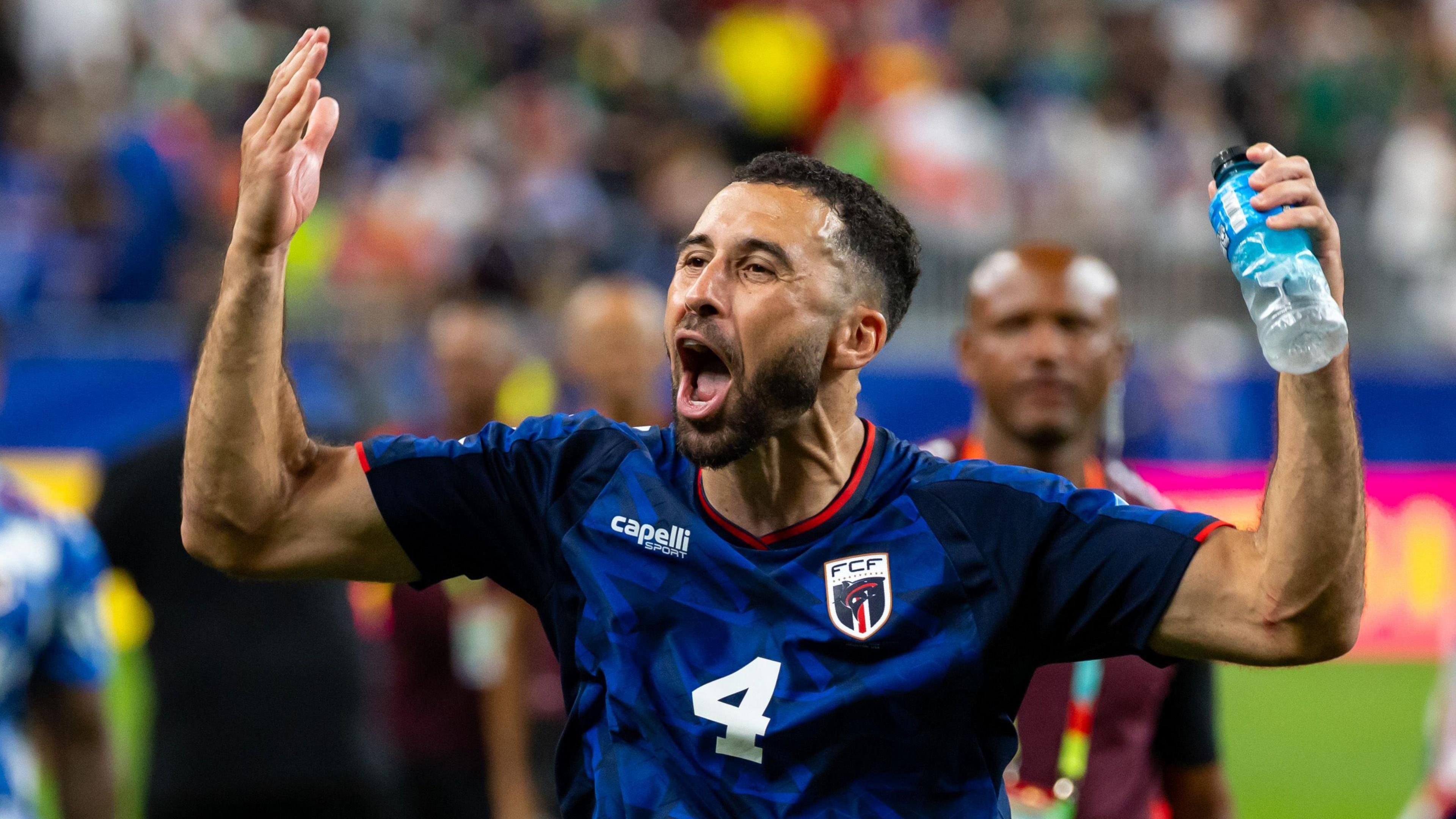
The FIFA World Cup 2026 has reached the Round of 16 stage with a series of dramatic knockout results, as Irish football supporters follow the tournament through the compelling lens of Shamrock Rovers defender Pico Lopes and Cape Verde's heroic exit against Argentina — a match that has generated more discussion about the League of Ireland's quality and the FAI's development pathway than any domestic fixture in recent memory.
Background
The 2026 FIFA World Cup, hosted across the United States, Canada, and Mexico, is the first edition of the expanded 48-team tournament format. The expansion has created a more complex group stage and a longer knockout phase, but it has also brought more nations into the competition and created more opportunities for the kind of underdog stories that capture the public imagination. Cape Verde's run to the Round of 32 — and their extraordinary performance against Argentina — is exactly the kind of story that the expanded format was designed to produce.
Ireland's absence from the tournament is a source of ongoing frustration for the FAI and for Irish football supporters. The Republic failed to qualify from a group that included France, the Netherlands, and Greece — a difficult draw, but one that a team of Ireland's potential should have been more competitive in. The failure has prompted a significant debate about the direction of Irish football, the quality of the domestic league, and the development pathway for young Irish players.
The World Cup has provided a partial antidote to that frustration in the form of Pico Lopes and Cape Verde. Lopes's story — a Dubliner who plays for Shamrock Rovers and was recruited to the Cape Verde national team via LinkedIn — has captured the imagination of Irish football supporters in a way that few stories from the domestic game manage to do. His performance against Argentina, marking Lionel Messi in a match that went to extra time, has been celebrated across Irish football as a moment of genuine pride.
Key Developments
The Round of 16 has produced a series of results that have reshaped the tournament's landscape. England, France, and Brazil have all advanced, as expected, but there have been significant upsets that have demonstrated the competitive depth of the expanded field. Several nations that were considered outsiders have performed well beyond expectations, reinforcing the argument that the 48-team format, whatever its critics say, has produced a more genuinely global and competitive tournament.
For Irish football, the World Cup has highlighted several players with Irish connections who are competing for other nations. Beyond Lopes, there are a number of players who were born in Ireland or who have Irish heritage and are representing other countries — a reflection of the complex patterns of migration and identity that characterise modern football. The FAI has been monitoring these cases, both as a reminder of the talent that exists within the Irish football ecosystem and as a prompt to consider how the association can better retain and develop players who might otherwise represent other nations.
The FAI's Nations League campaign, which begins in the autumn, will be the next major test for the Republic of Ireland team. Manager Heimir Hallgrímsson has been using the World Cup period to assess his options and to develop his tactical approach, with the Nations League providing an opportunity to build momentum ahead of the next World Cup qualifying campaign. The lessons of Cape Verde's World Cup performance — the importance of defensive organisation, tactical discipline, and the ability to perform under pressure — are not lost on the Irish management.
The League of Ireland has been quick to capitalise on the positive publicity generated by Lopes's World Cup performance. The Football Association of Ireland has highlighted the story as evidence of the quality of the domestic game, and several League of Ireland clubs have reported increased interest in their upcoming fixtures from supporters who have been inspired by Lopes's achievement. Shamrock Rovers, in particular, have seen a surge in interest in their remaining league fixtures, with the club's social media following growing significantly in the days following the Argentina match.
Why It Matters
The World Cup matters for Irish football for reasons that go beyond the immediate excitement of the tournament. It provides a benchmark against which the quality of Irish football can be assessed, and it generates the kind of public interest in the sport that is difficult to sustain through domestic competition alone. The Pico Lopes story has done more to raise the profile of the League of Ireland in the past week than any amount of marketing or promotion could have achieved.
The debate about Ireland's failure to qualify is also important. It is a debate that needs to happen — about the quality of the domestic league, the development pathway for young players, the coaching structures at underage level, and the strategic direction of the FAI. The World Cup provides a context for that debate that makes it more urgent and more focused than it might otherwise be.
The expanded 48-team format has also demonstrated that smaller nations can compete at the highest level if they are well organised and tactically disciplined. Cape Verde's performance against Argentina is a case study in what is possible for a nation with limited resources but a clear tactical identity and a group of players who are committed to the collective cause. It is a lesson that the FAI and the Irish football community would do well to absorb.
Local Impact
In Dublin, the World Cup has generated significant interest in pubs and clubs across the city, with supporters gathering to watch matches at all hours of the day and night due to the time differences involved in a tournament hosted across three time zones. The Cape Verde matches have attracted particularly large and enthusiastic audiences, with the Irish connection through Lopes providing a focus for local support.
In Cork, Galway, and other cities across Ireland, the World Cup has been a topic of conversation in workplaces, schools, and community settings. The tournament's expanded format means that there are more matches to follow and more stories to engage with, and the Irish public has responded with enthusiasm despite the absence of the national team.
For the League of Ireland clubs, the World Cup period is a challenging time commercially — it competes for attention with the domestic league, and the absence of Ireland from the tournament means that the usual surge of national football interest is not available to drive attendance at domestic matches. The Pico Lopes story has provided a partial offset, but the clubs will be hoping that the interest generated by his World Cup performance translates into increased attendance at League of Ireland fixtures when the tournament concludes.
What's Next
The World Cup will continue through the Round of 16 and into the quarter-finals, semi-finals, and final over the coming weeks. The tournament is expected to conclude in mid-July, with the final taking place at the MetLife Stadium in New Jersey. The identity of the finalists is still to be determined, but the tournament has already produced enough drama and surprise to ensure that the conclusion will be eagerly anticipated.
For Irish football, the post-World Cup period will be dominated by preparation for the Nations League campaign. Manager Hallgrímsson is expected to name his squad for the opening Nations League fixtures in the coming weeks, and the selection will be closely watched for indications of his tactical approach and his assessment of the players available to him.
The FAI's strategic review of Irish football's development pathway is also expected to produce recommendations in the coming months. The review, which was commissioned in the aftermath of Ireland's failure to qualify for the World Cup, is examining every aspect of the football development system, from grassroots participation to elite performance. Its findings will shape the direction of Irish football for the next decade.