Belfast Boxing Talent Eyes Commonwealth Games Glory as Northern Ireland's Proud Ring Tradition Heads to Glasgow
Northern Ireland's boxing community is preparing for the 2026 Commonwealth Games in Glasgow with a squad drawn from clubs across Belfast, Antrim, and Derry, as the sport's inclusion in the scaled-back 10-sport programme ensures that one of the region's proudest sporting traditions will be represented at the Emirates Arena from July 23 to August 2, with genuine medal prospects across several weight categories.
Background
Boxing has a special place in Northern Ireland's sporting culture. In a region where sport is often divided along community lines — GAA on one side, rugby and cricket on the other — boxing has historically been one of the few sports that transcends those divisions, drawing talent from both unionist and nationalist communities and producing champions who are celebrated across the sectarian divide. The sport's roots in working-class communities across Belfast, Derry, Newry, and Antrim run deep, and the network of amateur boxing clubs that sustains those roots is one of the most impressive grassroots sporting structures in these islands.
Northern Ireland's record at the Commonwealth Games in boxing is a source of considerable pride. The region has produced multiple medallists across the decades, and several of its most celebrated sporting figures — including Barry McGuigan, who won a Commonwealth gold medal in 1978 before going on to become world featherweight champion — began their international careers at the Games. The tradition of producing world-class amateur boxers who go on to professional success is one that the current generation of coaches and athletes is determined to maintain.
The 2026 Games in Glasgow represent a particular opportunity. The scaled-back nature of the competition — just 10 sports, approximately 3,000 athletes — means that the boxing competition will be more concentrated and, in some ways, more intense than at a full Games. With fewer sports competing for attention, boxing will have a higher profile, and the performances of Northern Ireland's athletes will be watched closely by both domestic supporters and international observers.
Key Developments
The Northern Ireland boxing squad for Glasgow has been selected following a series of trials and assessment events organised by Boxing Ireland, the governing body for amateur boxing on the island. The squad includes athletes from clubs across the region, with Belfast clubs — including Holy Trinity, St George's, and Immaculata — particularly well represented, alongside athletes from clubs in Antrim, Derry, and Newry.
The weight categories included in the Glasgow programme cover the full range from light flyweight to super heavyweight, giving Northern Ireland's athletes opportunities across the spectrum. The coaching staff, led by experienced international coaches who have worked with the squad through the qualification process, have identified several weight categories in which they believe Northern Ireland has genuine medal prospects.
The preparation for Glasgow has been intensive, with the squad undertaking a series of training camps and international competitions in the months leading up to the Games. The Commonwealth Games Northern Ireland board has provided additional funding for the boxing programme, recognising the sport's importance to the region's sporting identity and its track record of producing results at major competitions.
Communities Minister Gordon Lyons's confirmation that the team will use the Ulster Banner at the Games has been welcomed by the boxing community, which has generally been less exercised by the symbols debate than some other sports. For boxers and their coaches, the priority is performance — the flag under which they compete is secondary to the quality of their preparation and the execution of their game plan in the ring.
Why It Matters
The Commonwealth Games boxing competition matters for Northern Ireland's sporting community for reasons that go beyond the medals themselves. The Games provide a platform for young athletes to experience major international competition in a supported environment — with the full infrastructure of a national team around them — that is invaluable for their development as athletes and as people.
For the clubs that produce these athletes, the Games are a validation of years of work by volunteer coaches, parents, and community supporters who have invested their time and energy in developing young talent. The boxing clubs of Belfast and beyond operate on minimal resources, relying on the dedication of unpaid coaches and the commitment of young people who choose to train rather than spend their evenings in less constructive ways. The Commonwealth Games is the moment when that investment pays off in the most visible way possible.
The sport's cross-community character is also significant. In a region where community relations remain fragile — as the events of June have demonstrated — the sight of athletes from different backgrounds competing together under a shared banner is a powerful statement about what sport can achieve. The boxing community in Northern Ireland has always understood this, and the Commonwealth Games provides an opportunity to demonstrate it to a wider audience.
Local Impact
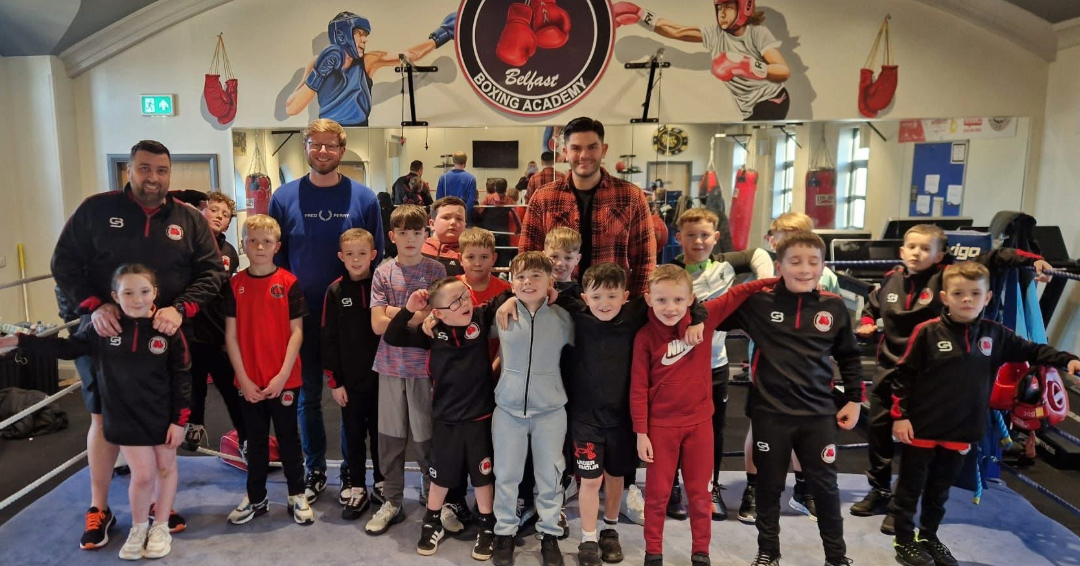
In Belfast, the preparation for the Commonwealth Games has generated significant interest in the boxing community. Clubs across the city have been hosting open training sessions and fundraising events to support their athletes, and the local media has been following the squad's preparation closely. The Emirates Arena in Glasgow is a relatively short journey from Belfast — a two-hour drive or a short flight — meaning that many supporters will be able to attend the boxing events in person.
In North Belfast, where several of the squad's athletes are based, the Games have provided a focus for community pride at a time when the area has been dealing with the aftermath of the June disorder. The boxing clubs of North Belfast — which include some of the most successful amateur clubs in Ireland — have been a source of stability and positive community activity throughout the difficult period, and the Commonwealth Games provides a moment of celebration that the community can share.
In Derry, the boxing community is also well represented in the squad, with athletes from clubs in the city and the surrounding area having earned their places through the selection process. Derry has a proud boxing tradition — the city produced several notable amateur champions in the 1980s and 1990s — and the current generation of athletes is determined to add to that legacy in Glasgow.
What's Next
The Northern Ireland team will travel to Glasgow in the week before the Games open on July 23, with a training camp planned to allow the athletes to acclimatise to the venue and the competition environment. The boxing events at the Emirates Arena will run throughout the Games period, with the finals scheduled for the final days of the competition.
After Glasgow, the focus for Northern Ireland's boxing community will shift to the qualification process for the 2028 Olympic Games in Los Angeles. The Commonwealth Games will provide valuable competitive experience and ranking points that will be important in the Olympic qualification process, making the Glasgow performances doubly significant for athletes with Olympic ambitions.
The longer-term development of boxing in Northern Ireland will also be a focus in the aftermath of the Games. Boxing Ireland has been working on a strategic plan for the sport that includes investment in coaching education, facility development, and talent identification programmes. The Commonwealth Games provides a moment to assess the current state of the sport and to plan for the next generation of athletes who will represent Northern Ireland on the international stage.